


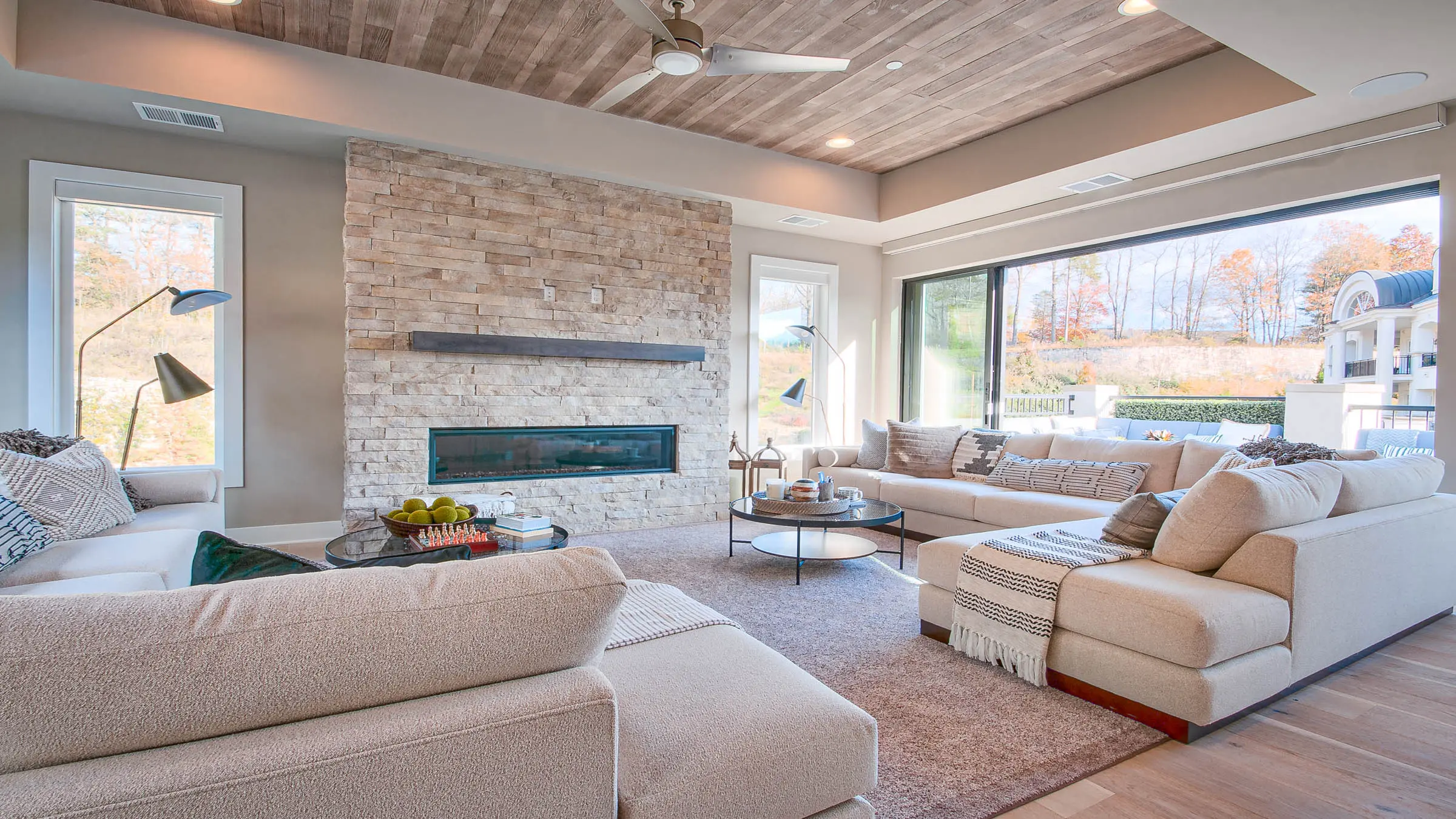
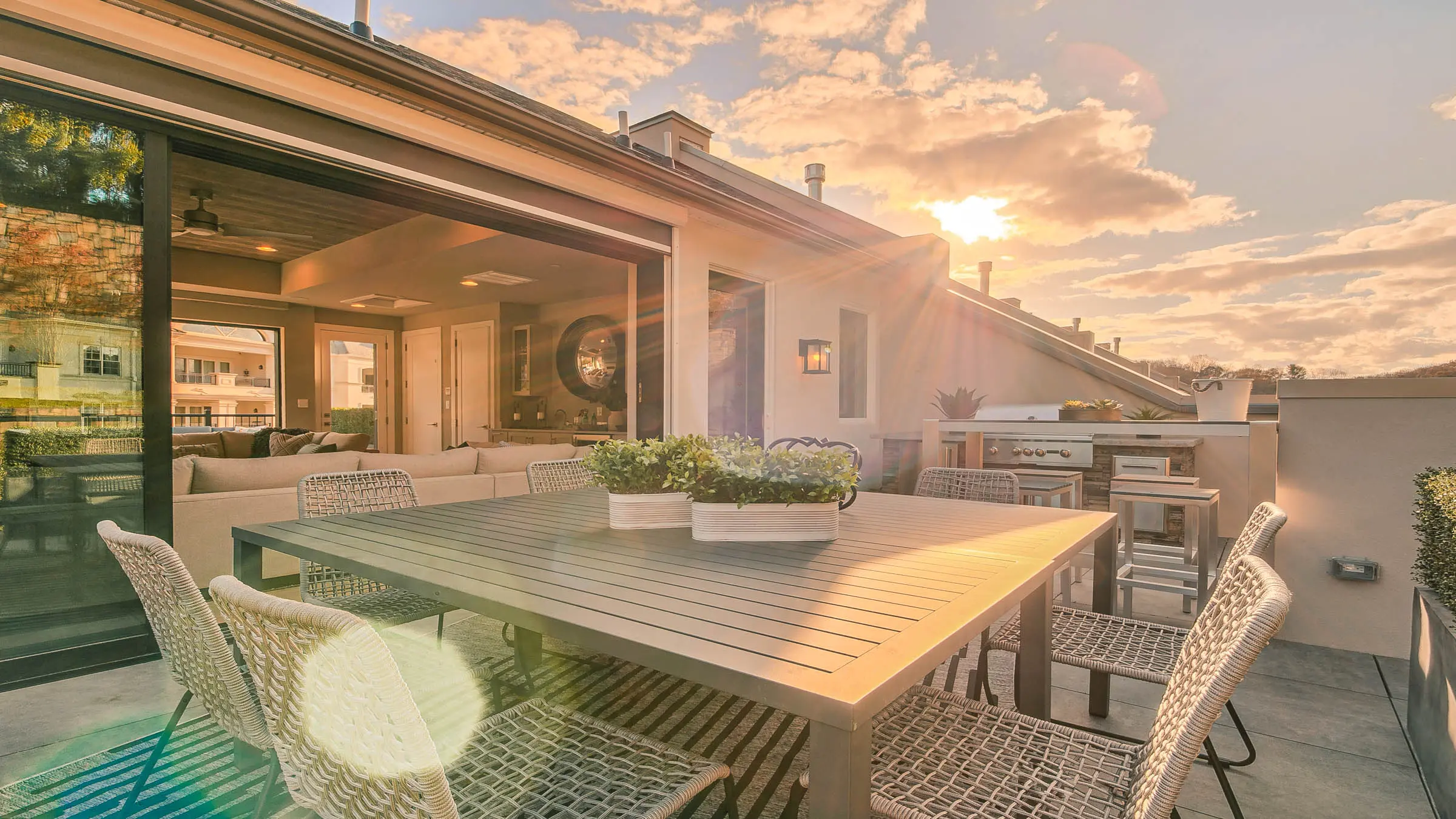
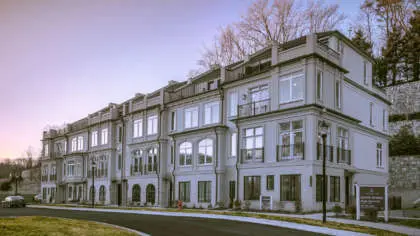
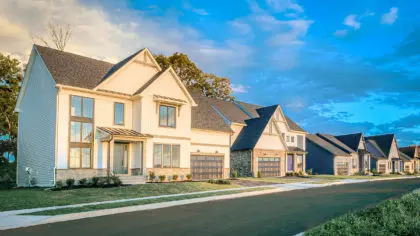
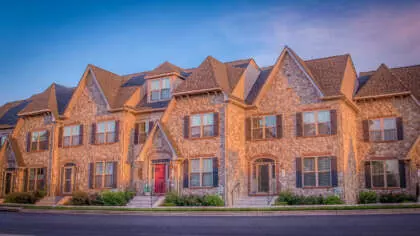
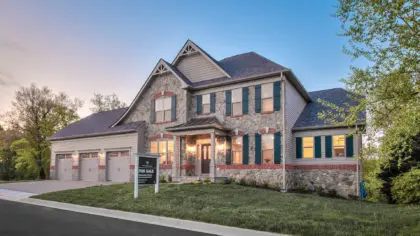
The Grove is a new master planned community with parks, walking trails, ballfields, clubhouse, and pool. All in the heart of the northern Potomac / western Rockville hub of Montgomery County. Inspired by the award-winning Quarry Springs townhomes in Bethesda (“Best Townhome in the Nation”), Wormald brings the same high-end finishes and design logic to The Grove. Enjoy chef’s kitchens with Bosch/Thermador cooking, ten-foot ceilings, the Four Season’s Retreat on the penthouse level, two outdoor roof terraces, chic studios with sliding glass doors, main-level lanais, and all the luxury appointments you would expect. And with the brand new Wormald Design Studio, you can make selections in a retail store environment full of finishes & textures to make your home uniquely yours.
Located near thriving retail and shopping, residents will enjoy all their favorite hotspots including Downtown Crown, Travilah Square Shopping Center, Traville Village Center, Falls Grove Shopping, Kentlands Square, Rio Lakefront, Rockville Town Square, and Pike and Rose just to name a few. Plenty of grocery stores to choose from including Trader Joes, Giant, Safeway, Whole Foods, and Harris Teeter.
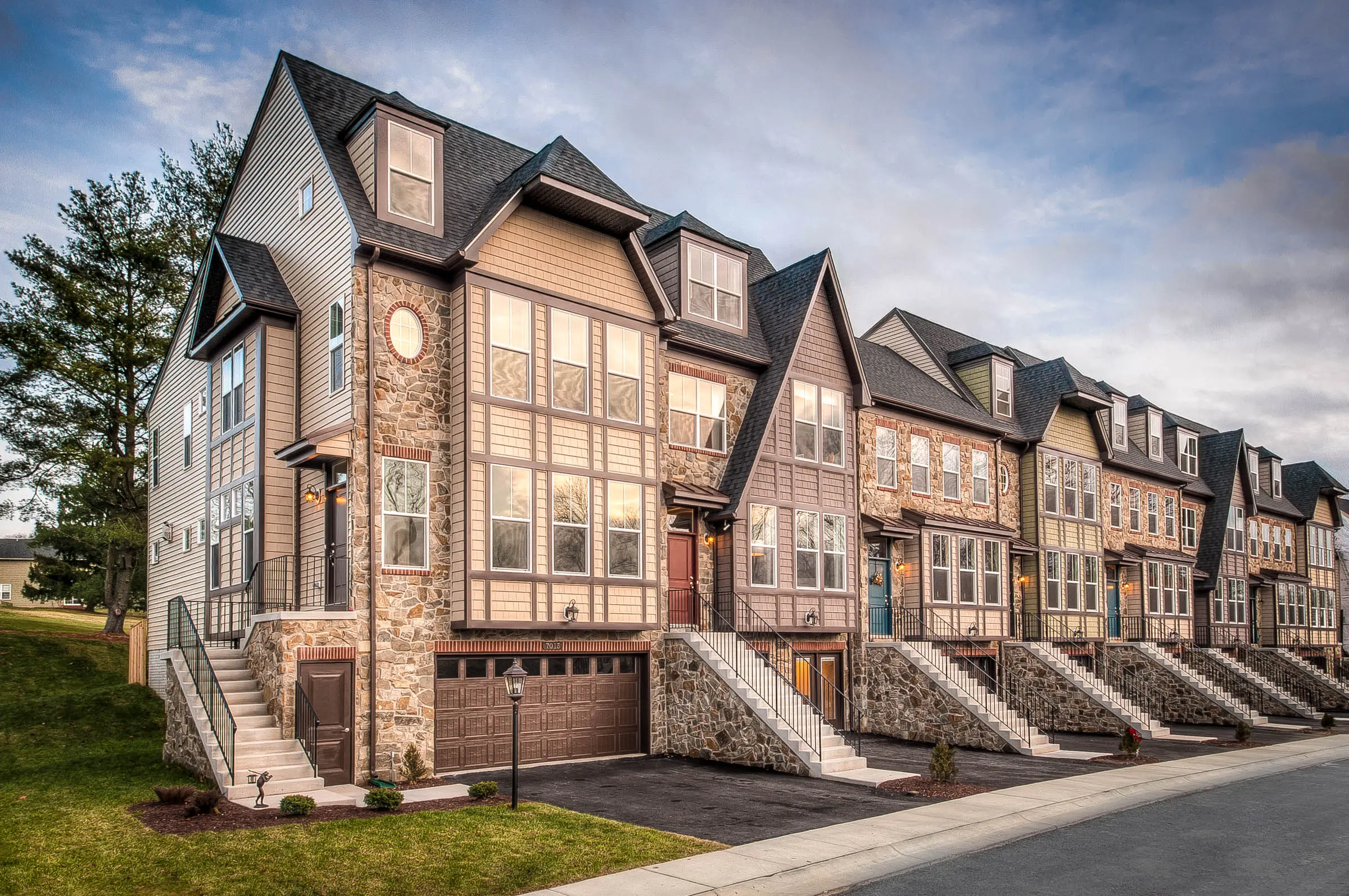
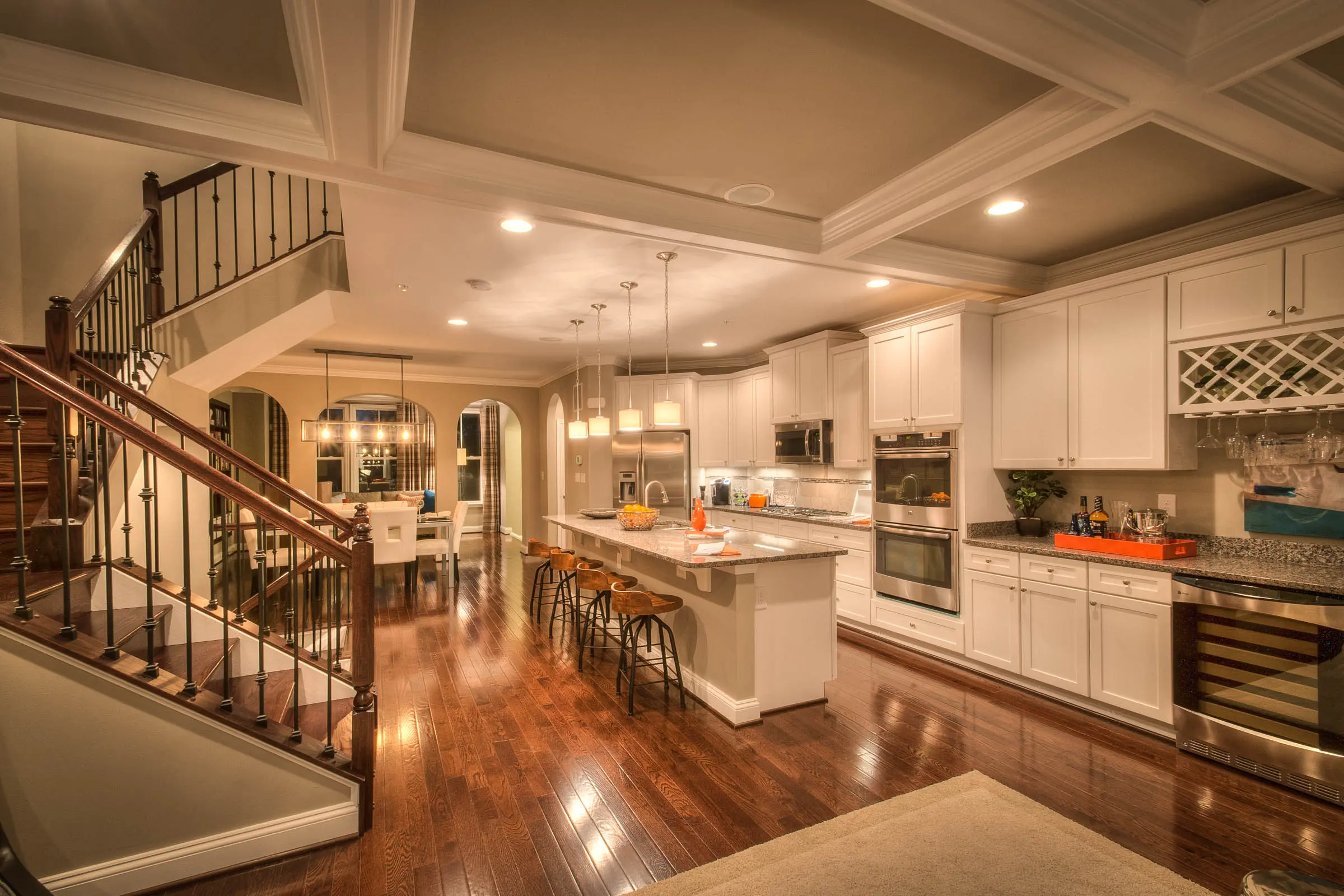
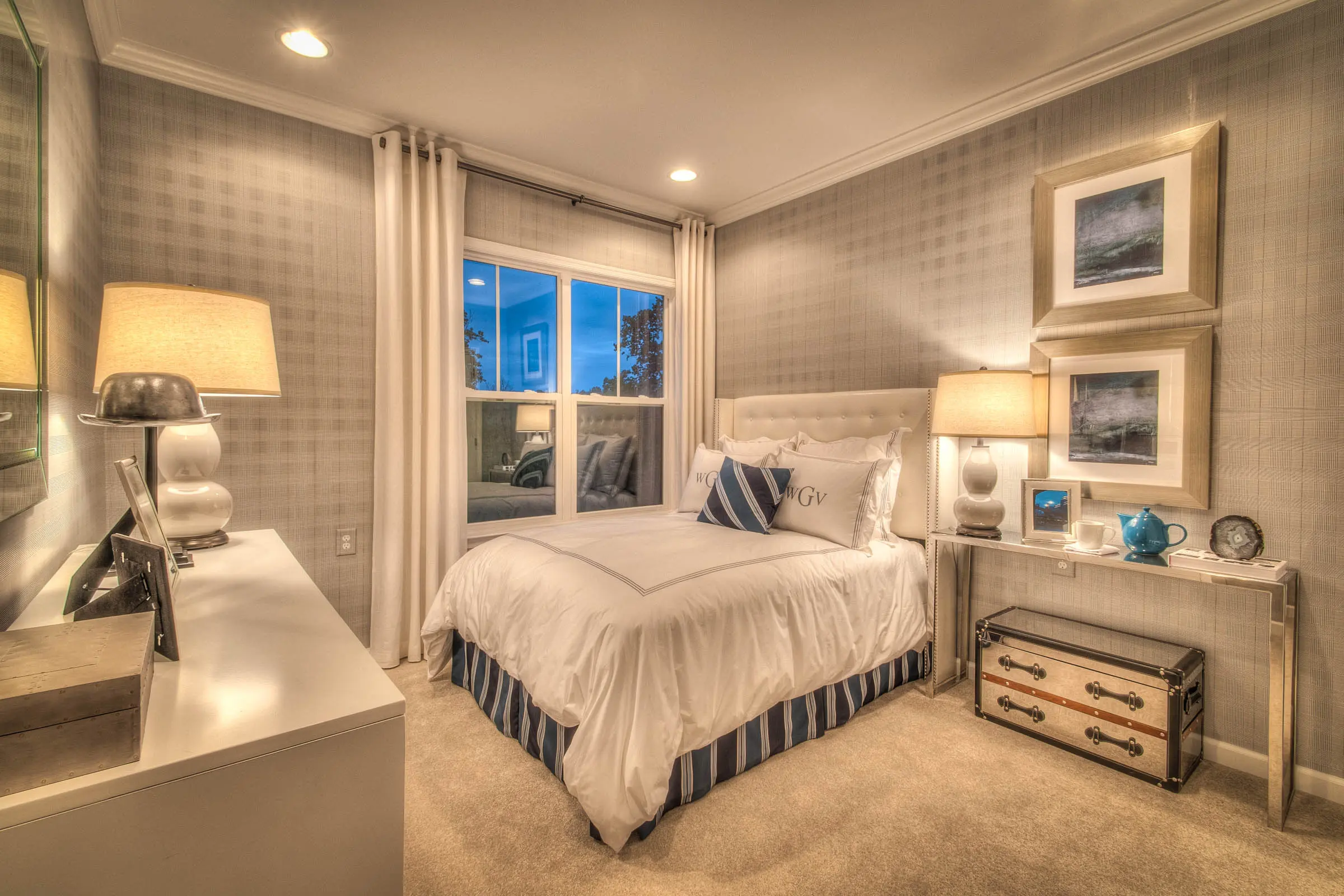
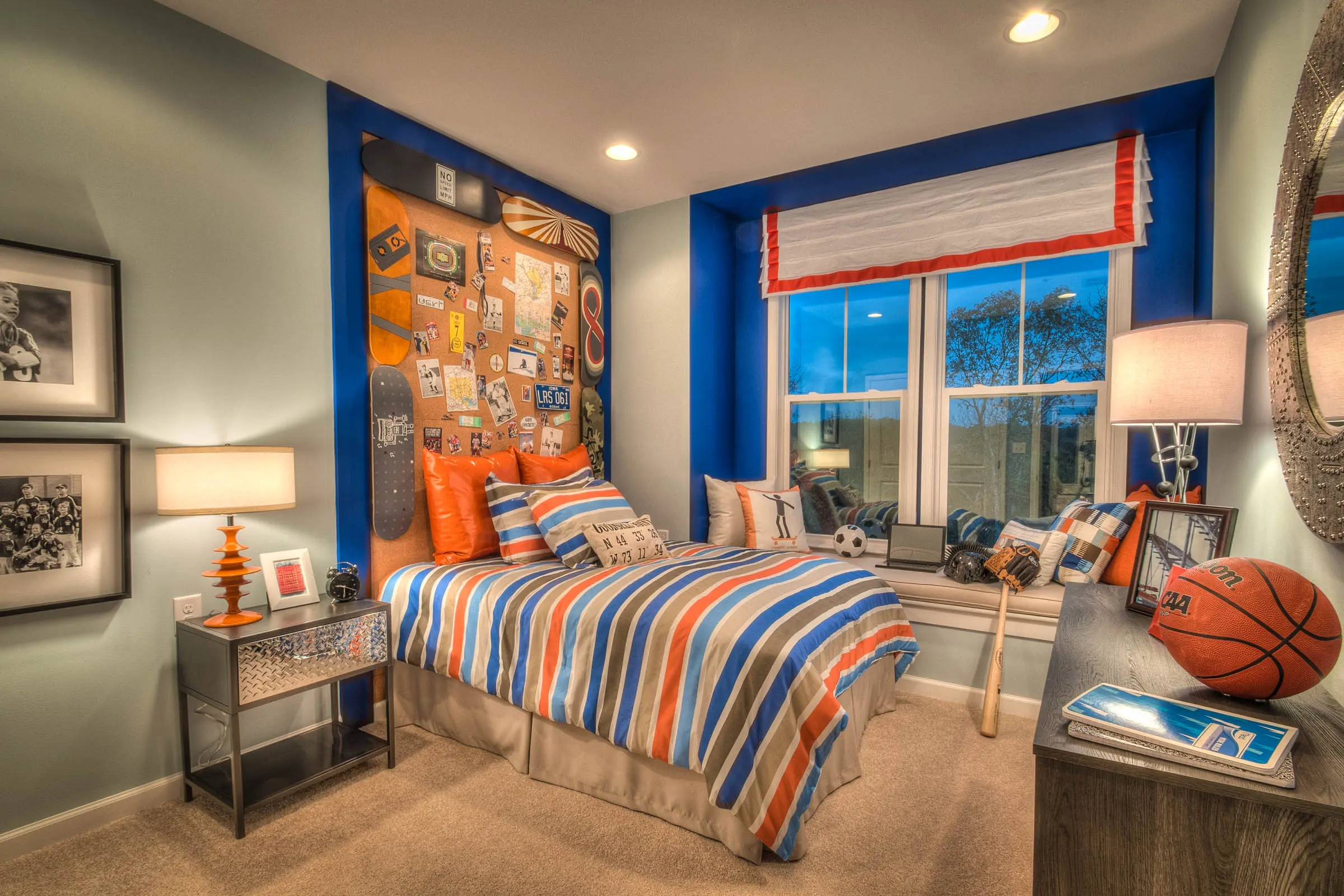
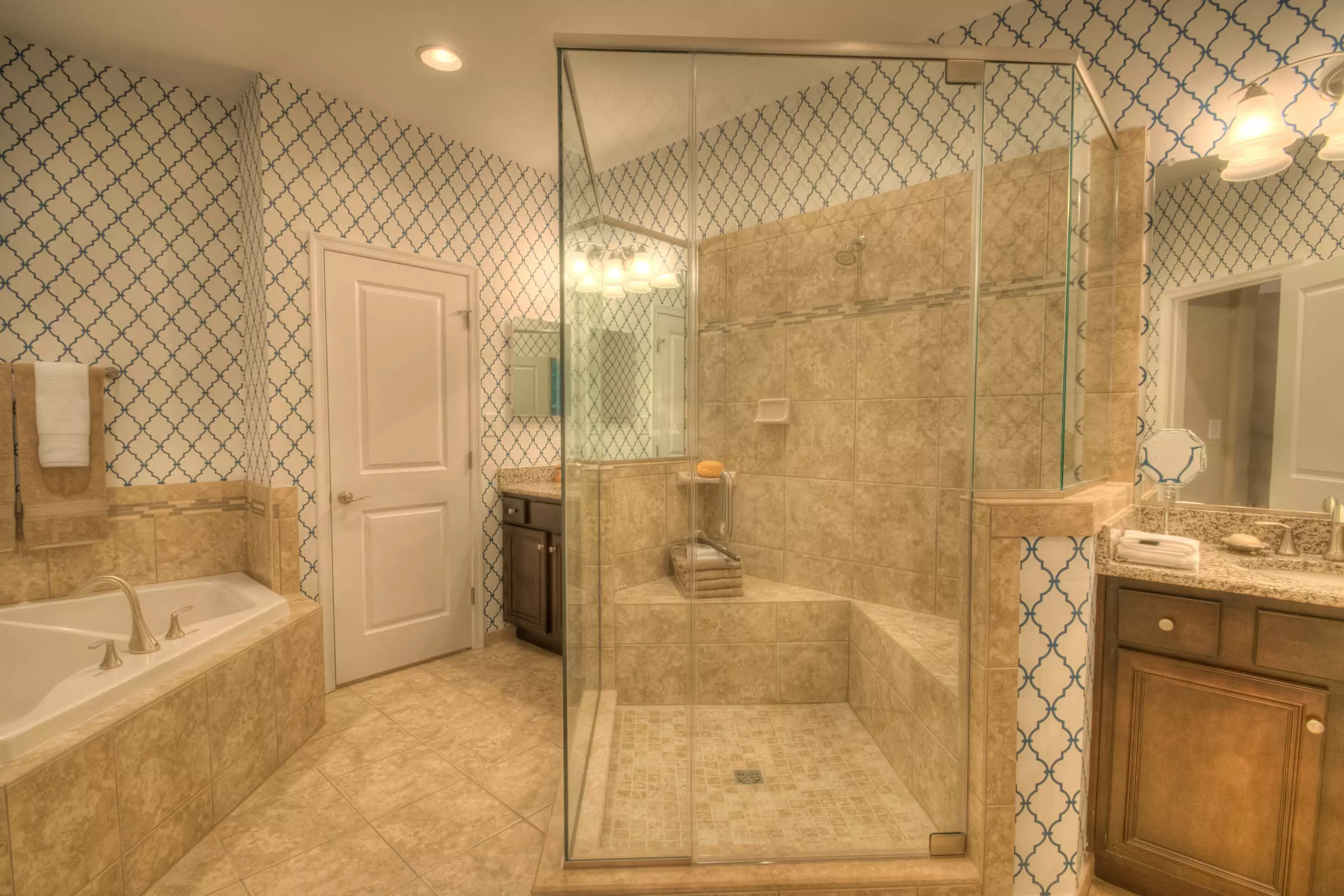
Welcome to Woodlands Preserve, a single line of homes set high on a ridge with spectacular valley views in one direction, and the West Winds Golf Club in the other. Every way you look is a breath-taking vista. Set in the premier master planned community of West Winds, residents enjoy lake recreation access, 30 miles of trails, swimming, basketball, with optional tennis and fitness club memberships, and golf. These award-winning homes feature two-car garages, optional lofts, open floor plans, gourmet island kitchens, grand owner’s suites and baths, and Wormald’s signature resort-style Craftsman architecture.
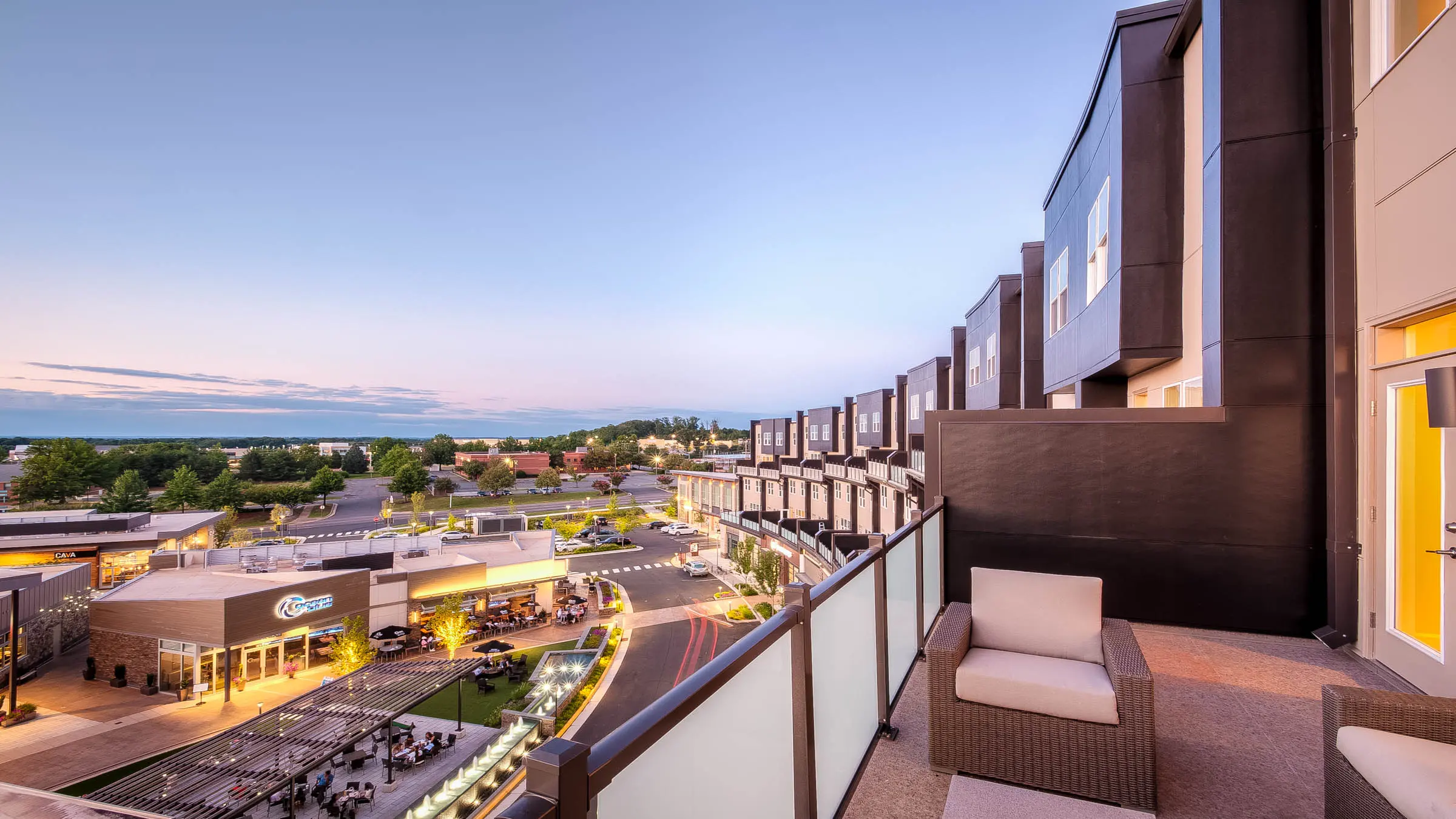
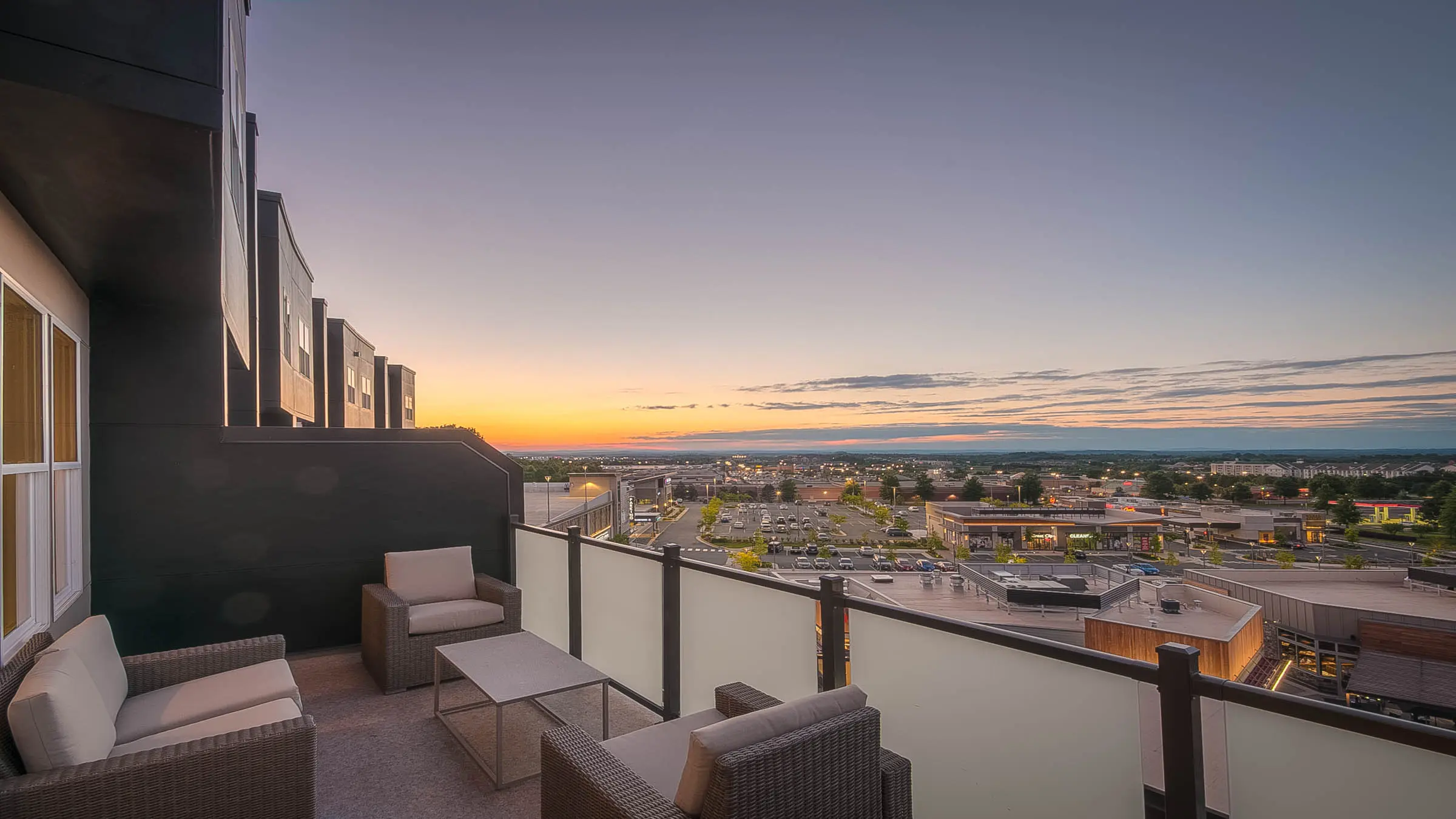
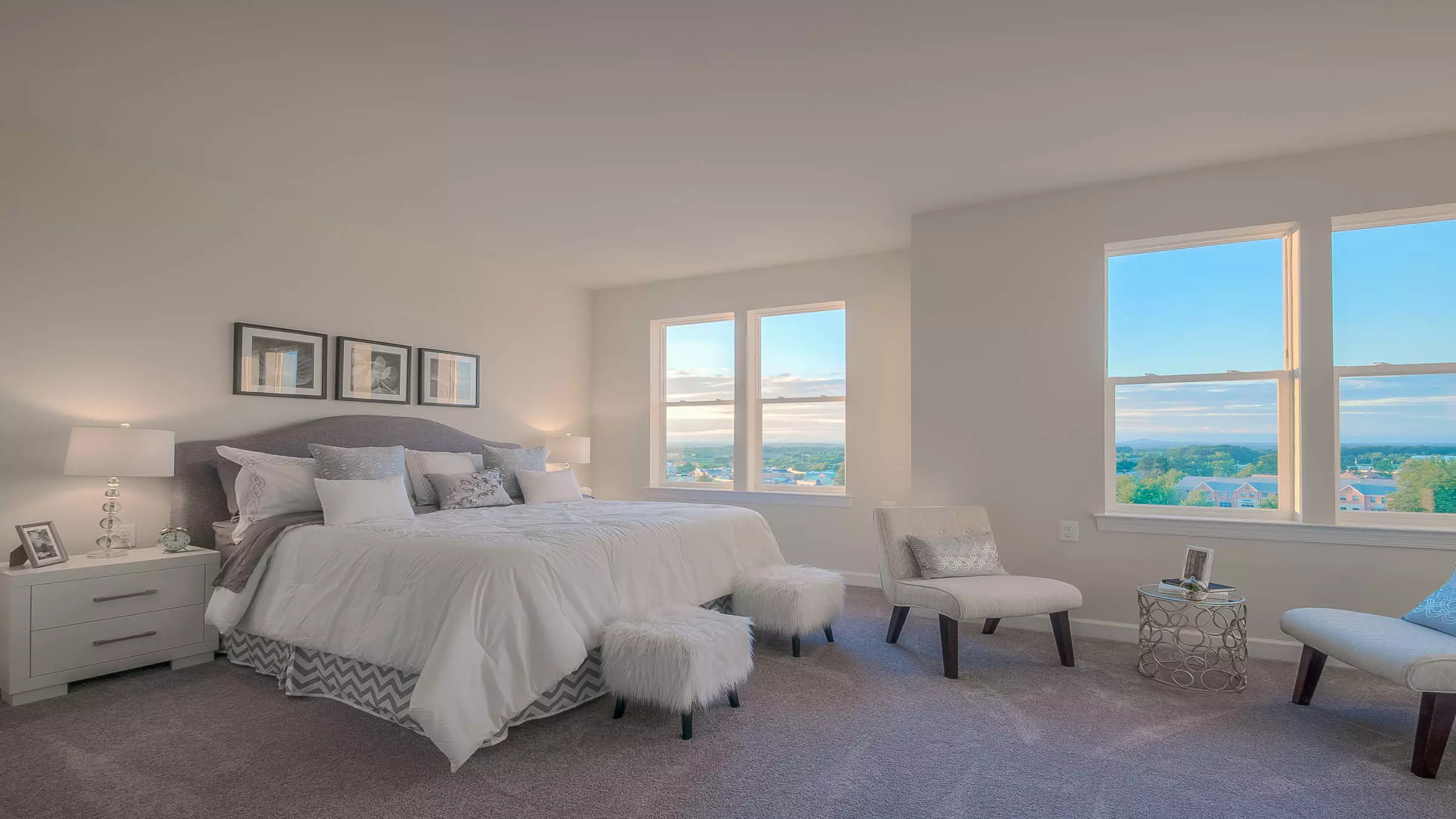
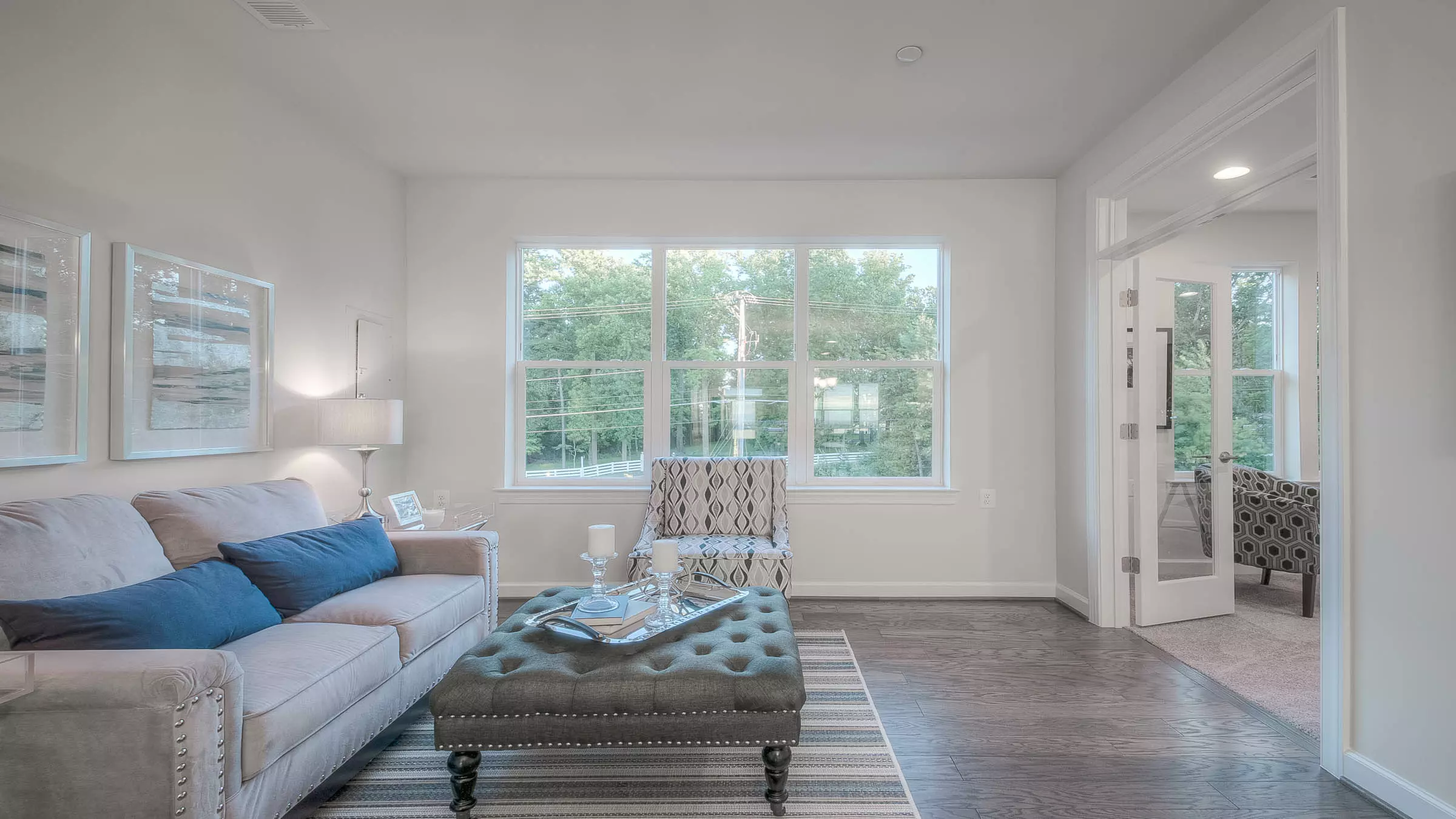
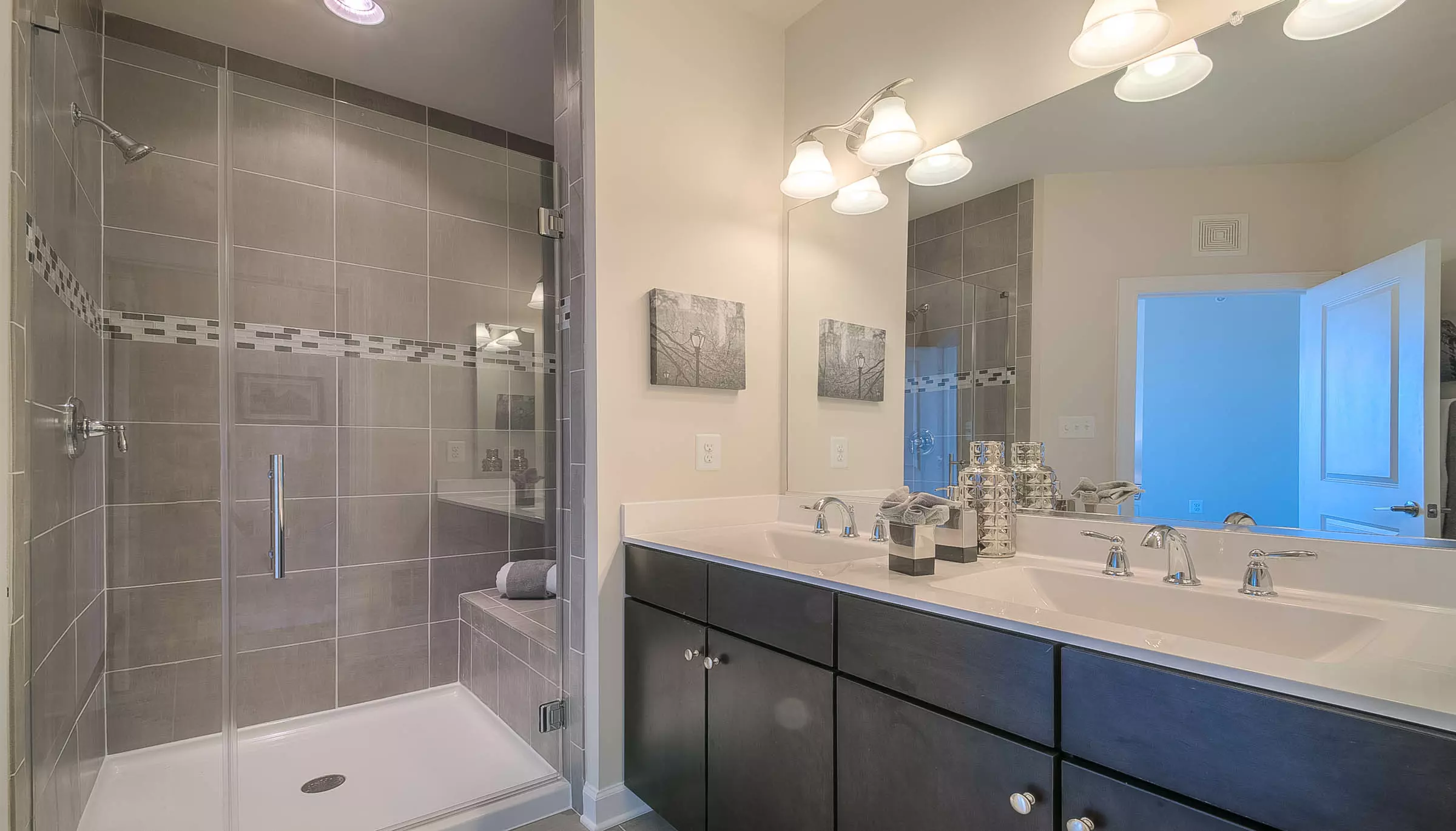
Set high on a hill above the resort-style retail oasis below, the two-level homes at Cascades View combine spectacular vistas and the convenience of a tremendous shopping and dining destination, including a gourmet grocer, just a short stroll away. The Crescent Collection at Cascades View introduces exciting new crescent-shaped residences featuring open, modern floor plans and outdoor sky terraces. The Crescent Collection offers two models from which to choose, each approximately 2,055 to 2,326 square feet in size with spacious outdoor terraces off the great room. Chef’s kitchens have expansive islands and stainless steel appliances. Each home offers a home office, three bedrooms, two and one-half baths, and large storage closets. Surface and garage parking is available for residents. Walk to upscale retail including Harris Teeter, restaurants, and cafés. Cascades View offers the finest in modern, maintenance-free living set in a walkable urban oasis.
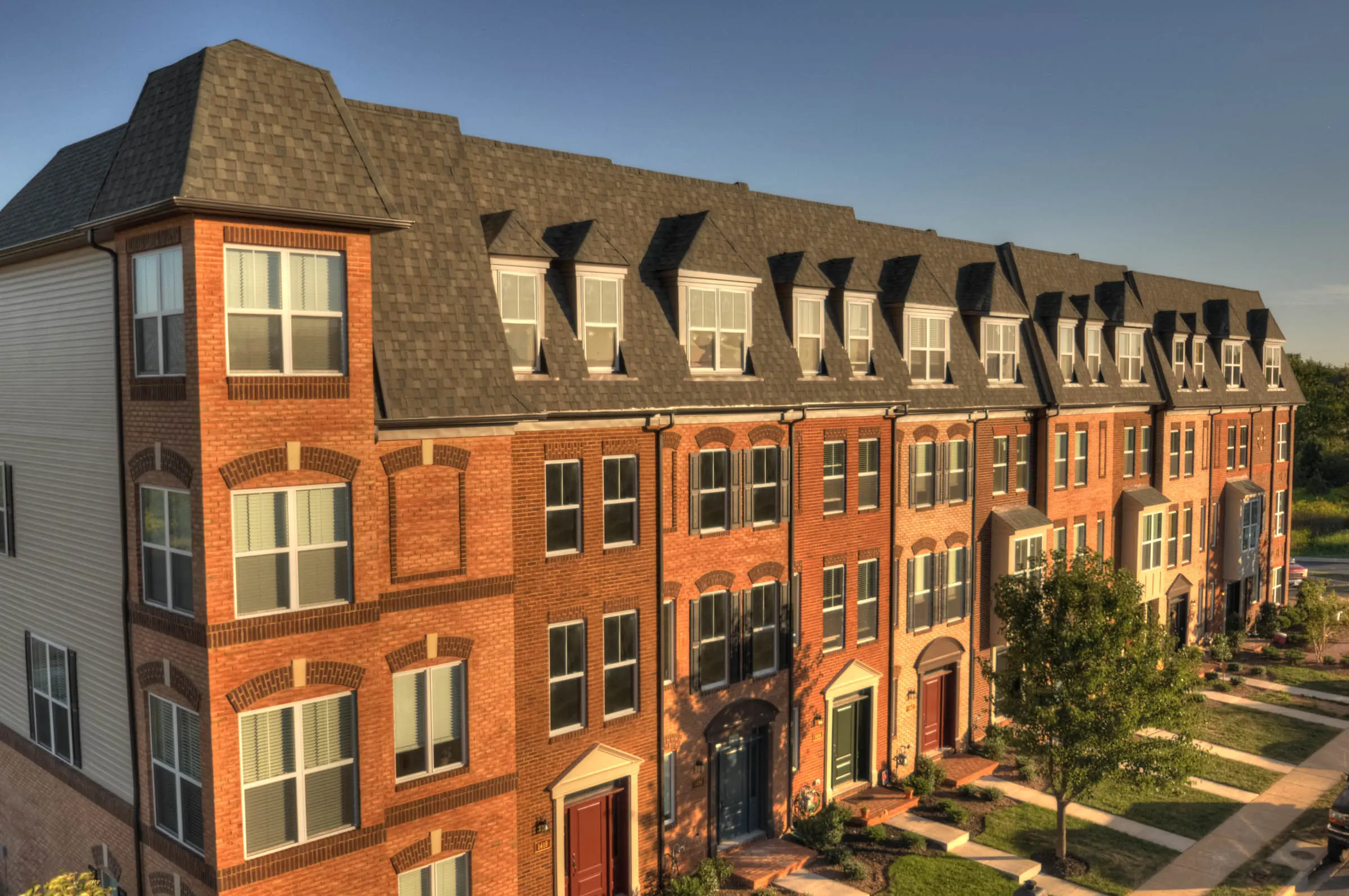
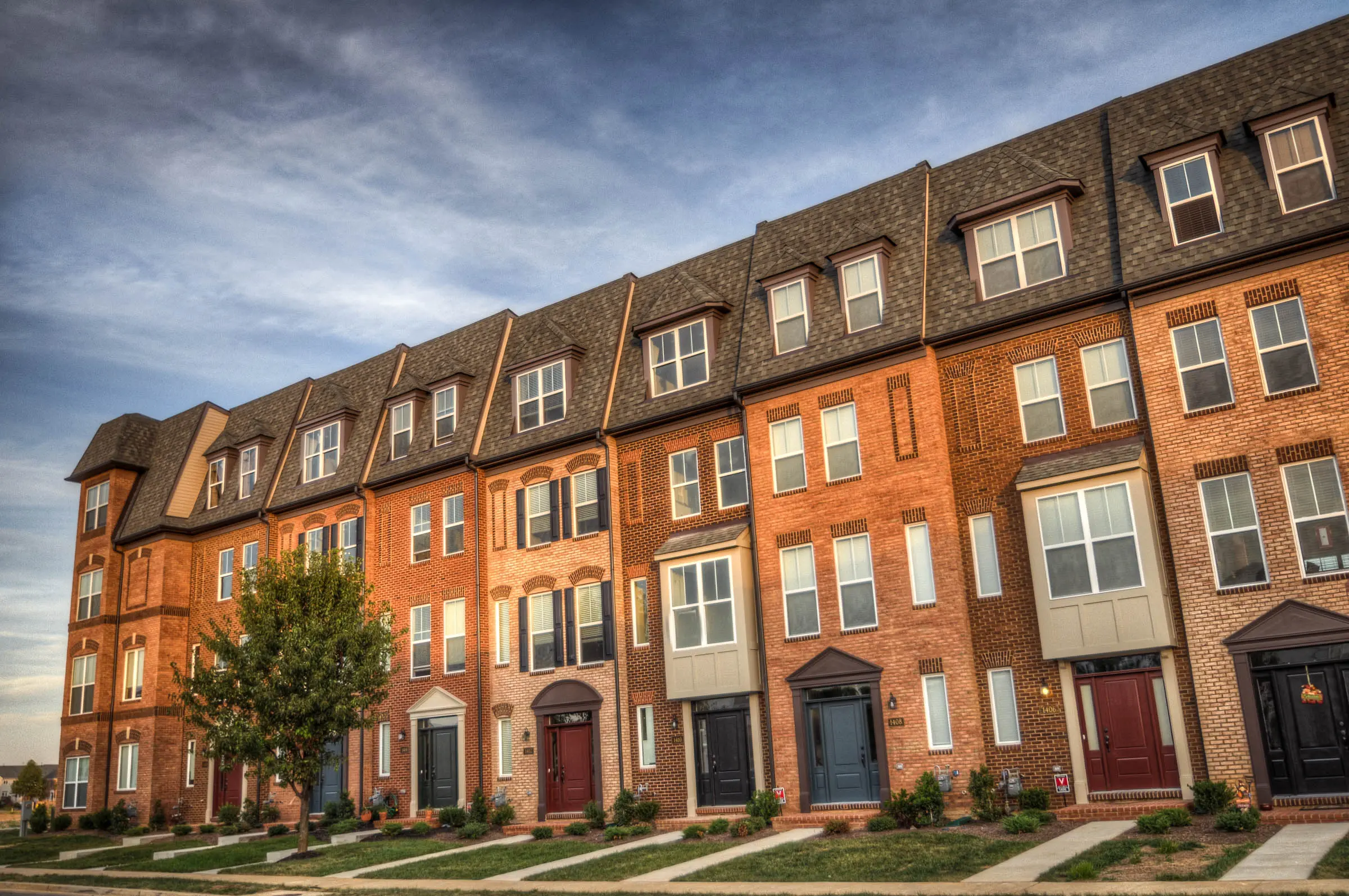
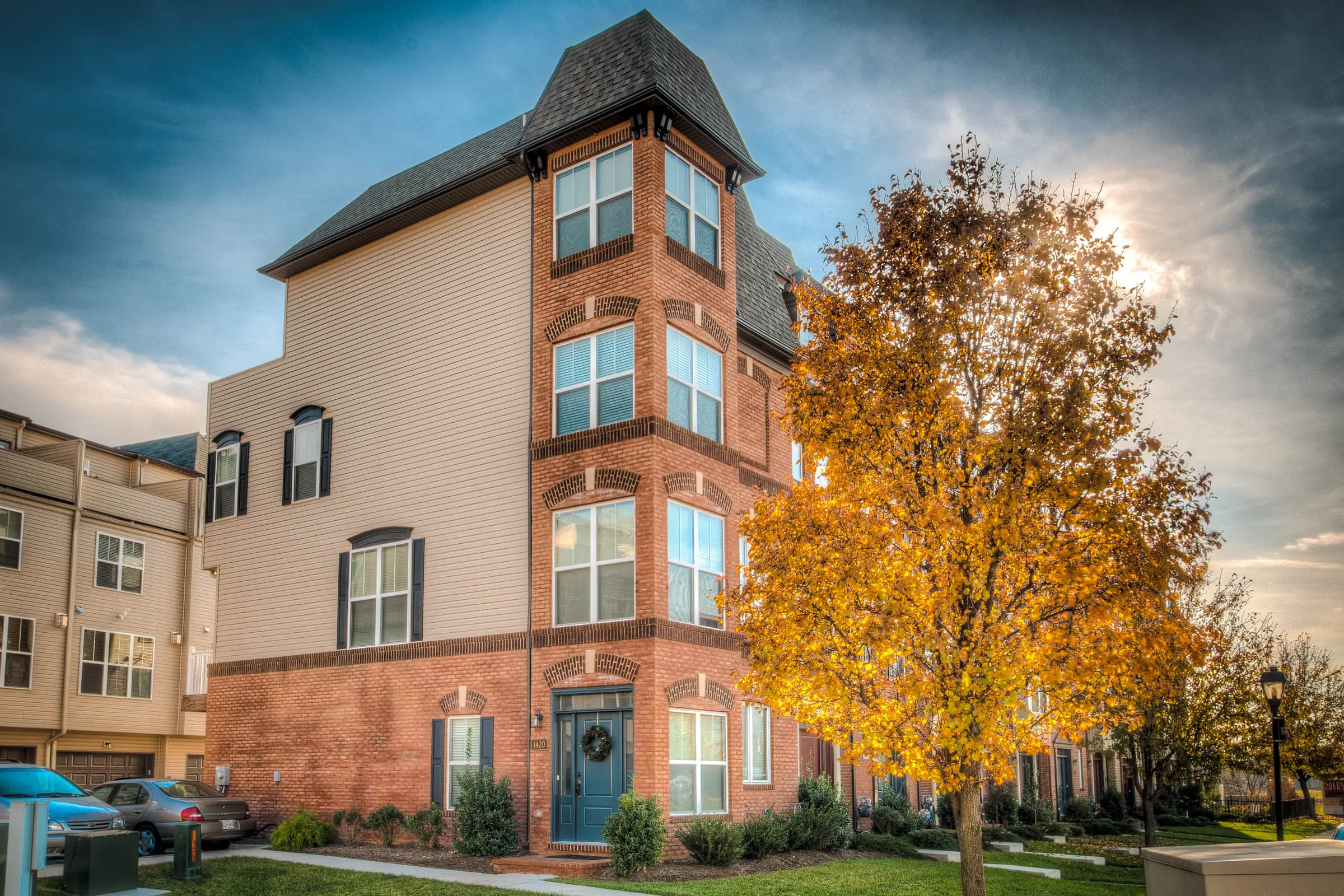
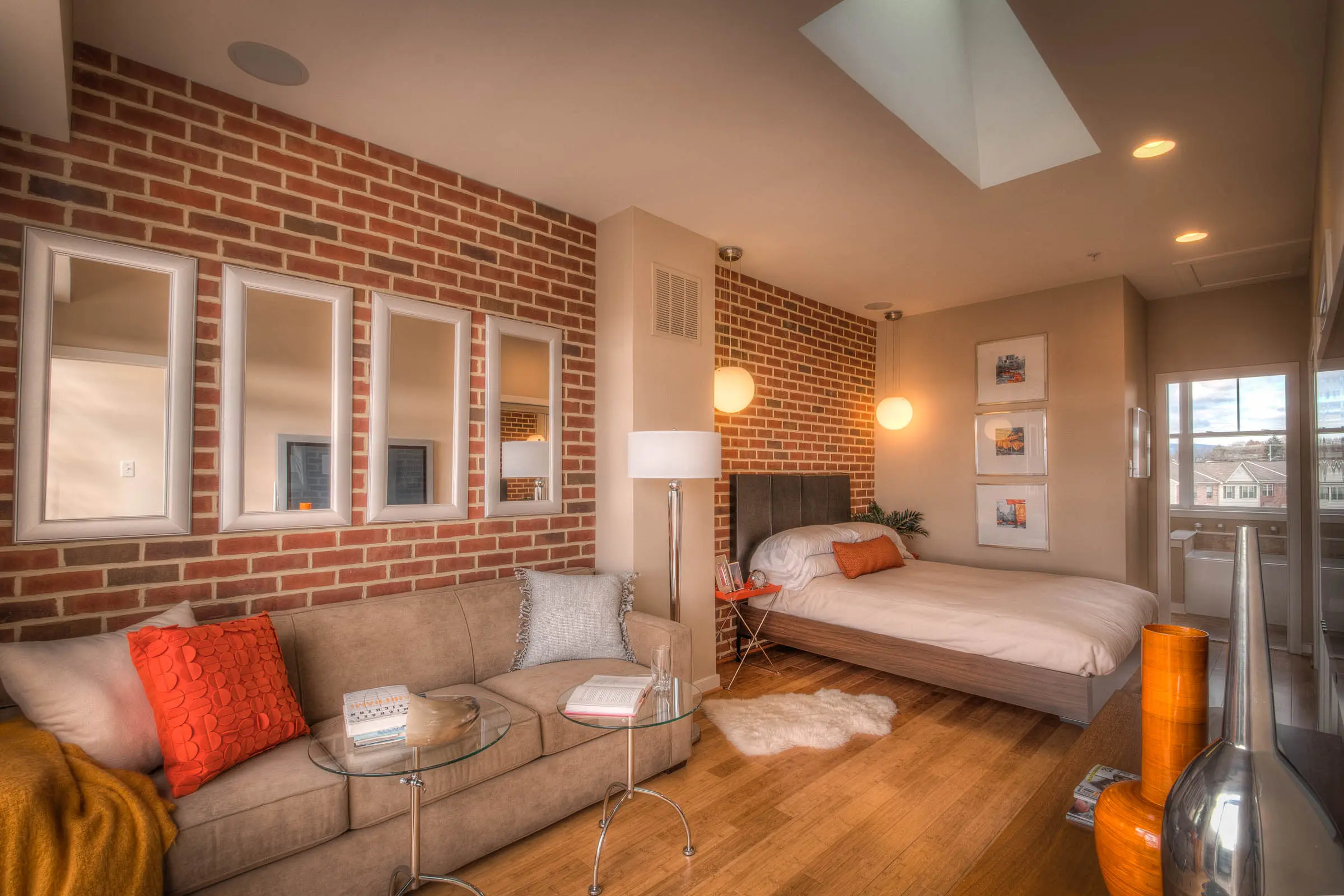
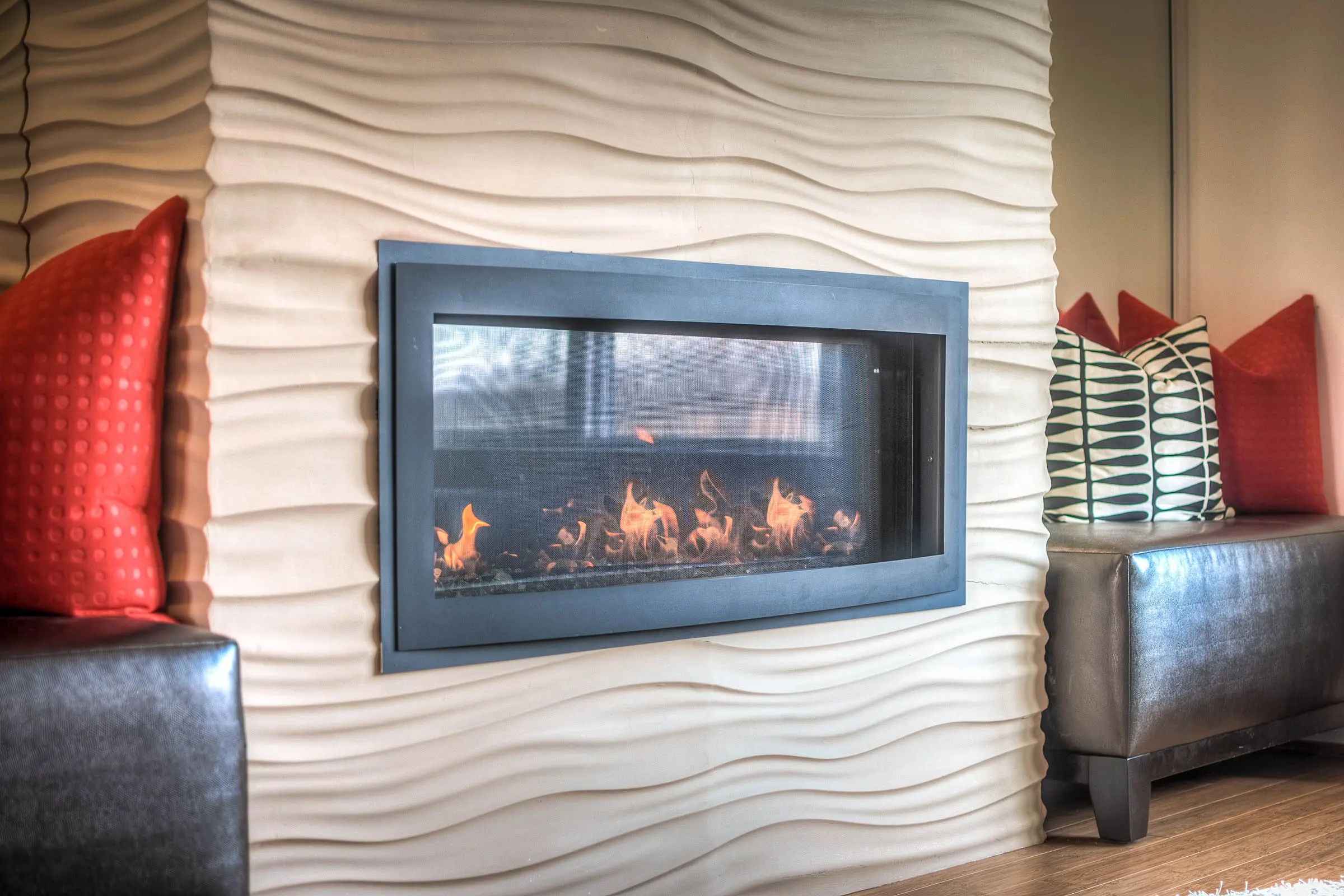
Introducing the boutique townhomes of Monocacy Park: affordable four-level luxury living along the Monocacy River in Frederick, Maryland. Euro-American inspired townhomes featuring New York loft-style kitchens, sky terraces, and brick interior walls. At an unbelievable price, these fashionable masonry garage townhomes are full of thoughtful features—like outdoor sky terraces—and rich, stylish details that add up to real value. Close to shopping, dining, and all the attractions of historic Frederick, Monocacy Park is your entry point to a new level of quality
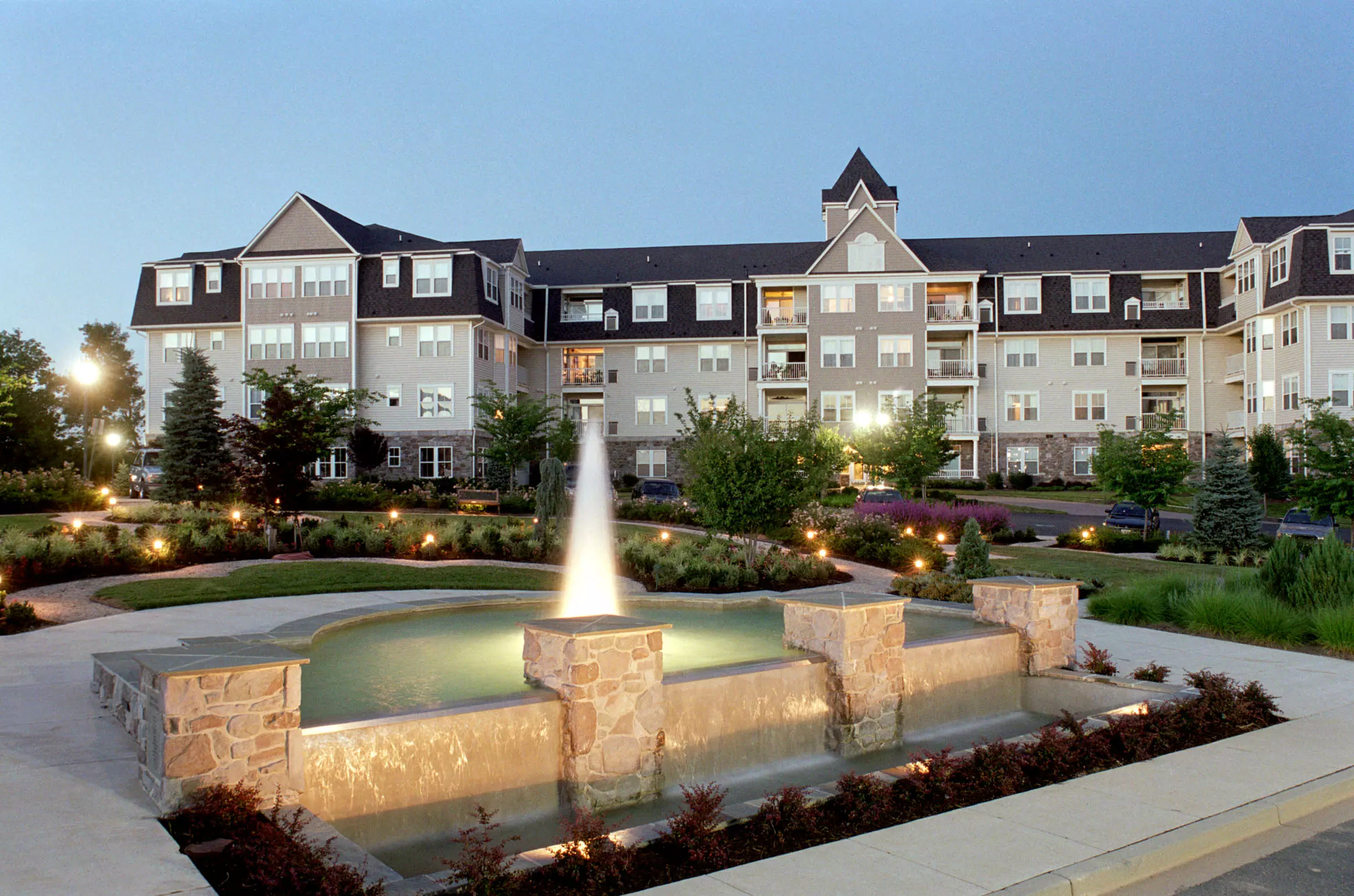
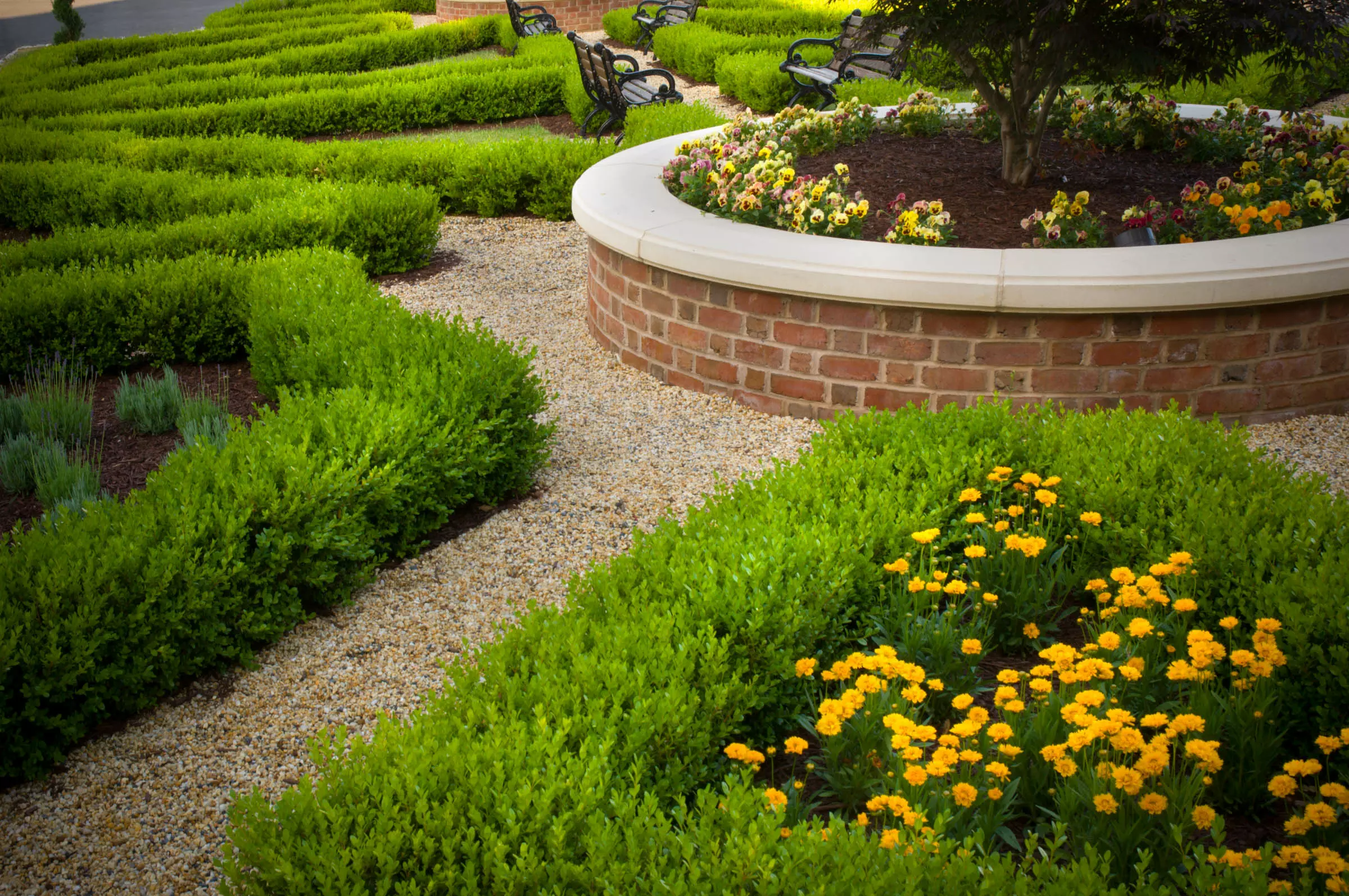
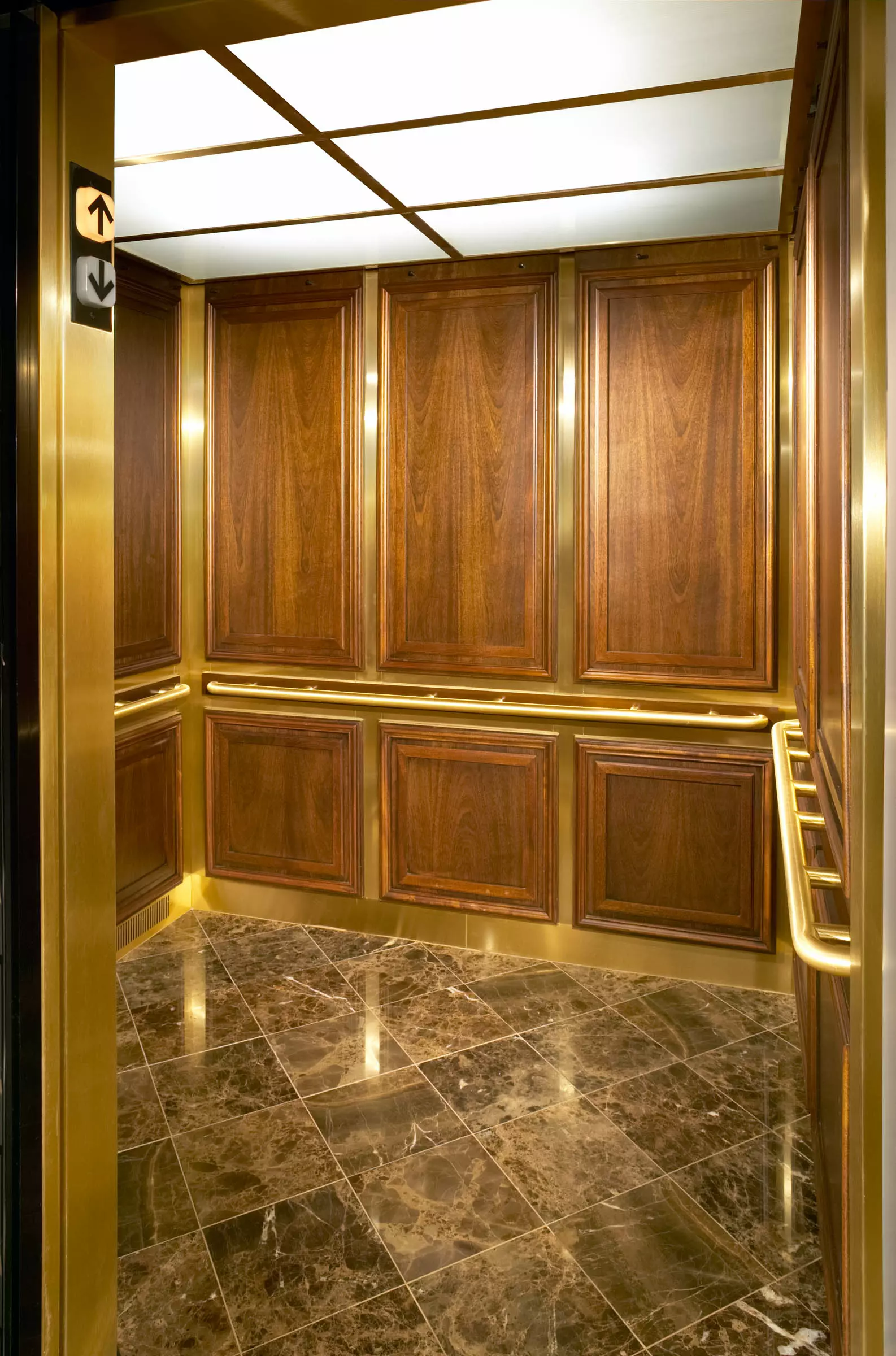
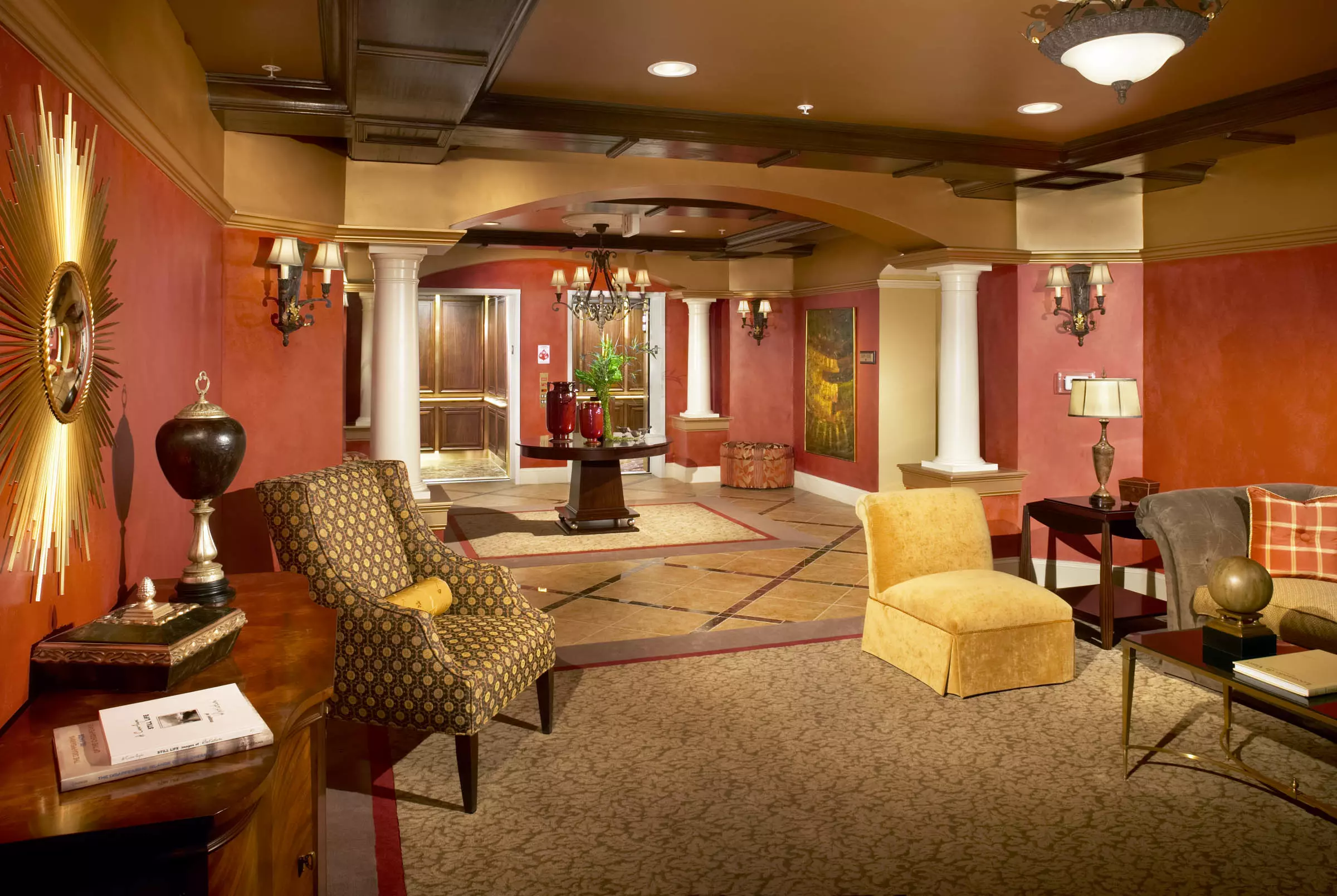
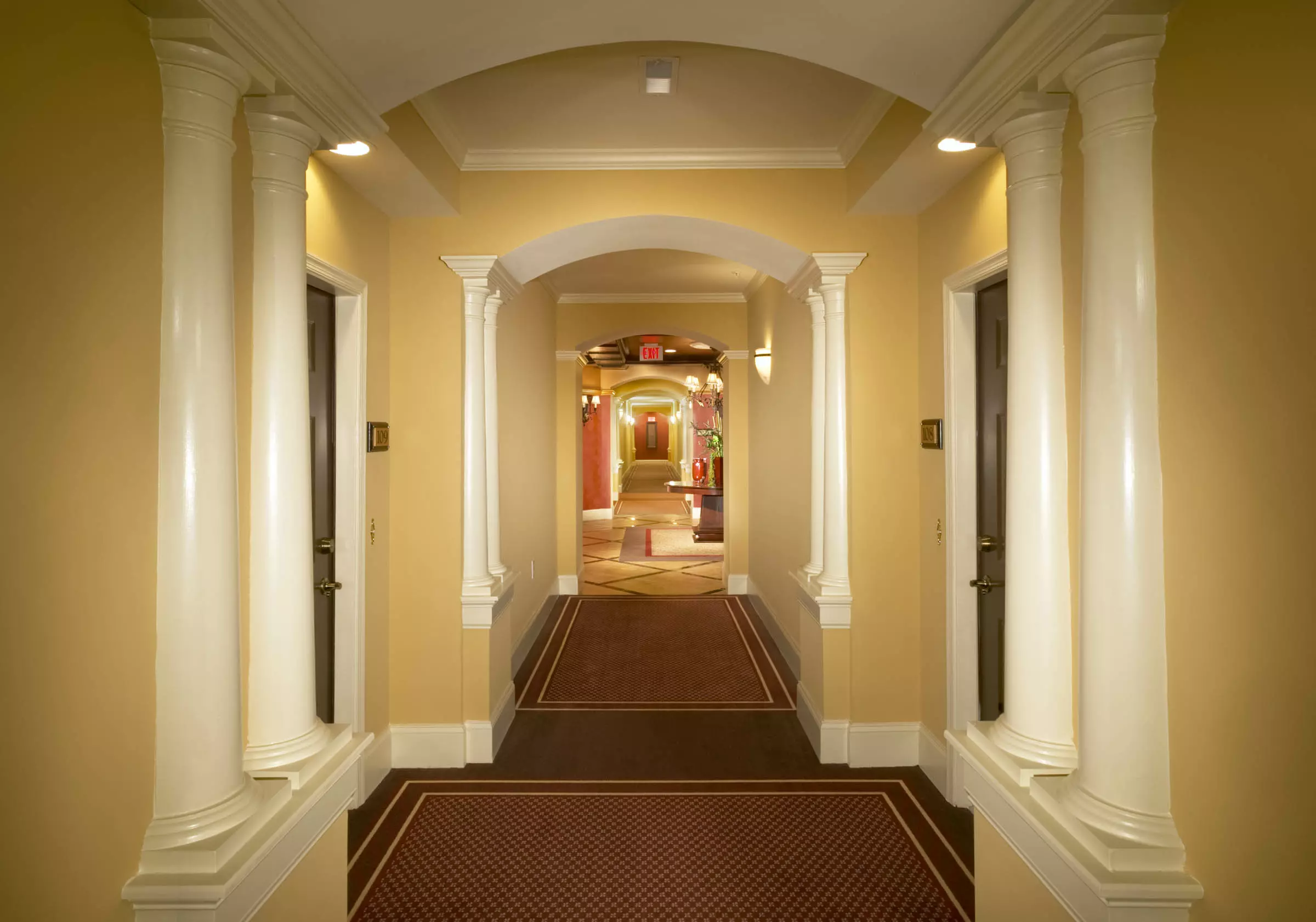
Park Place is a two-building, 127-unit, award-winning condominium project located in the City of Frederick, Maryland. This project largely appeals to the empty-nester market by providing single-level living in luxury elevator buildings. The below-grade parking, Victorian garden, secured-access buildings, and fountains provide prime living residences.
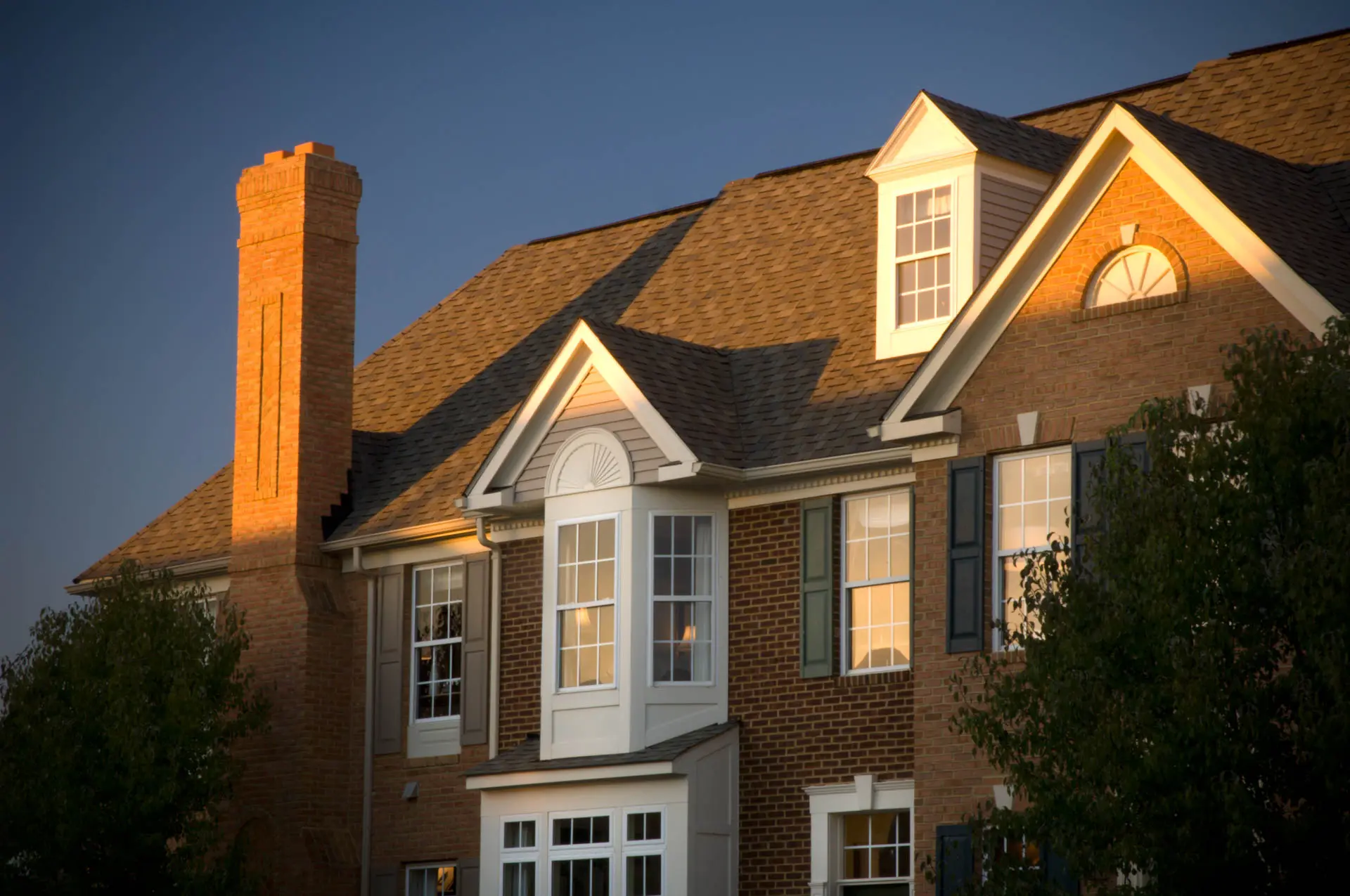
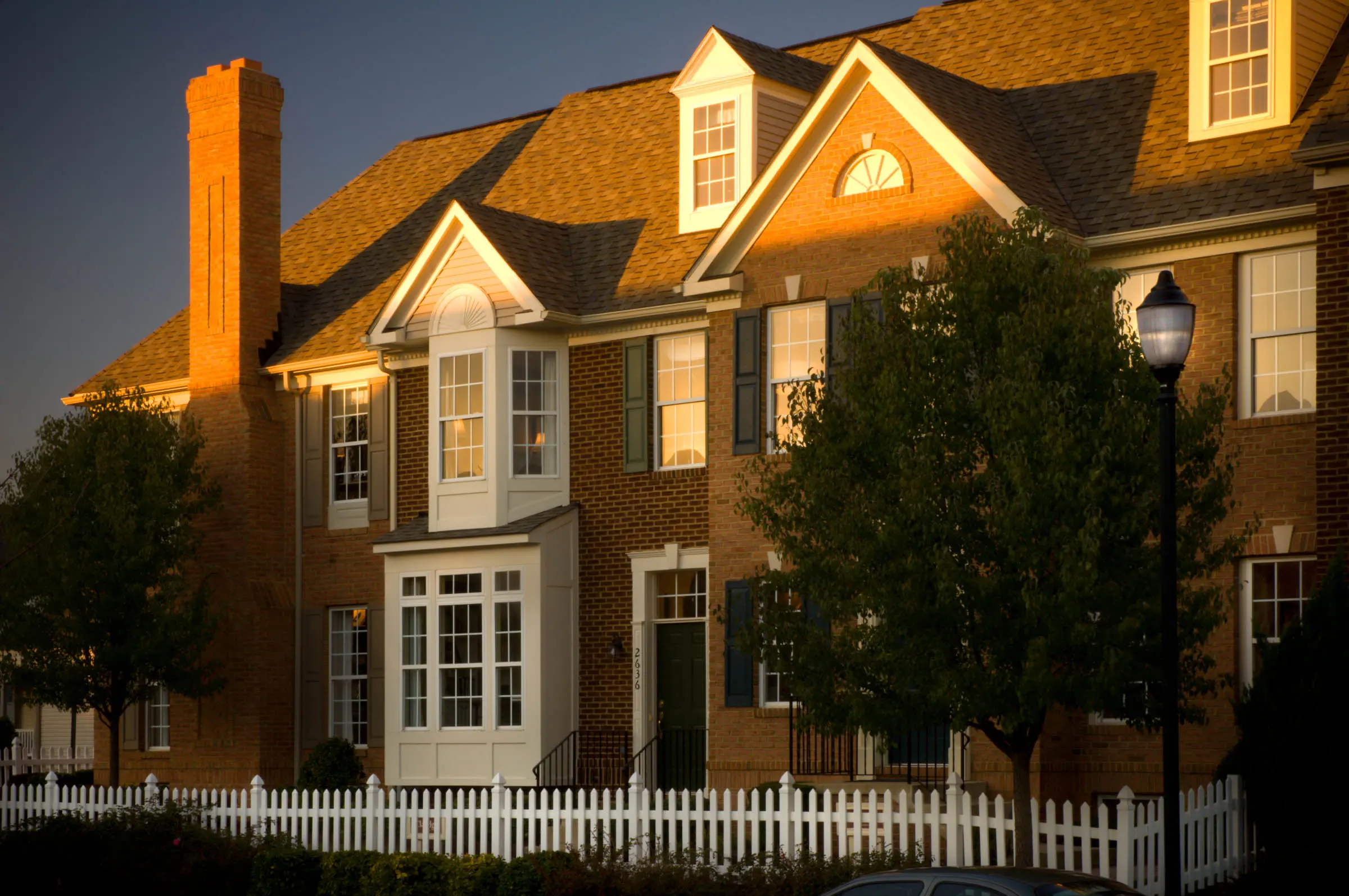
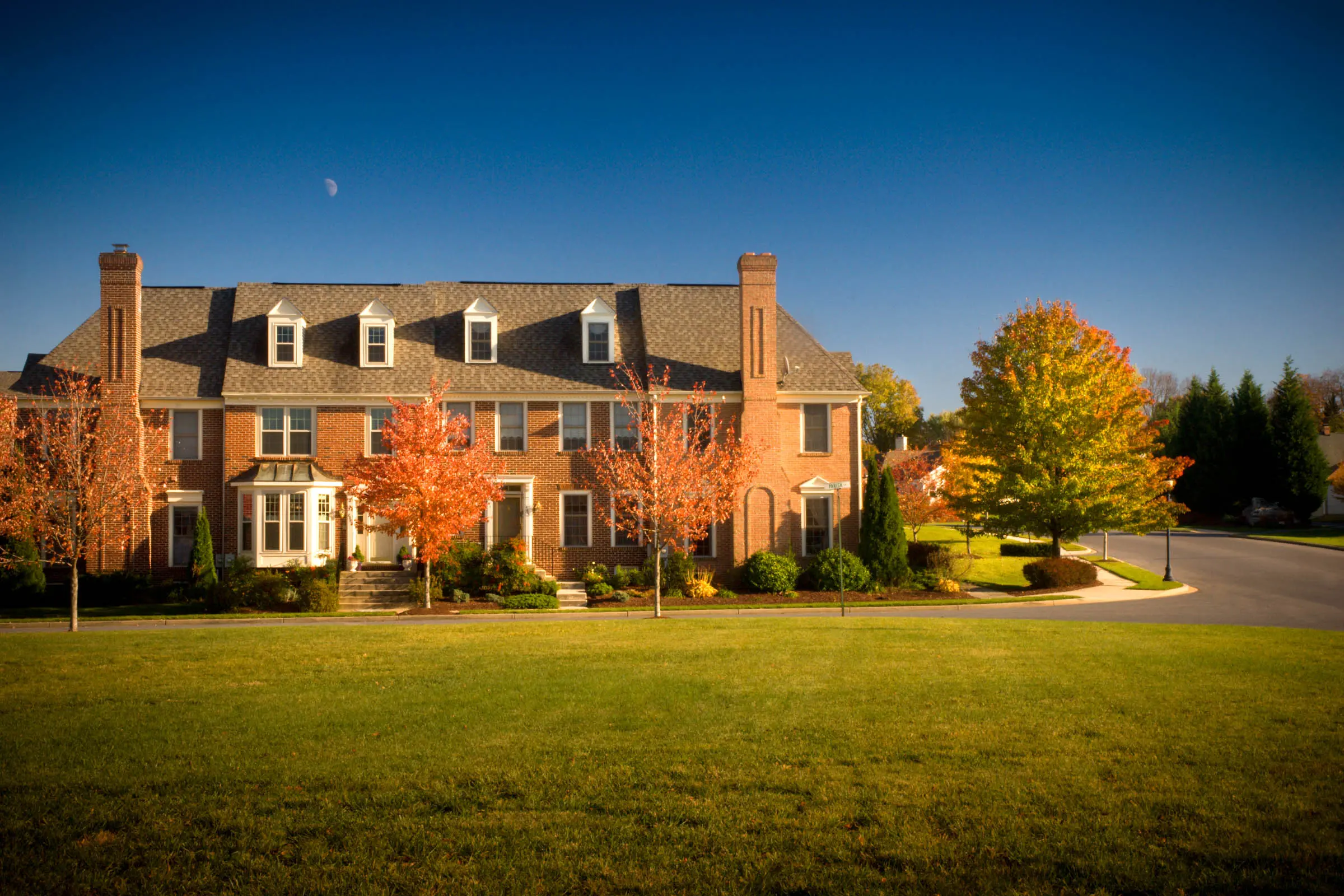
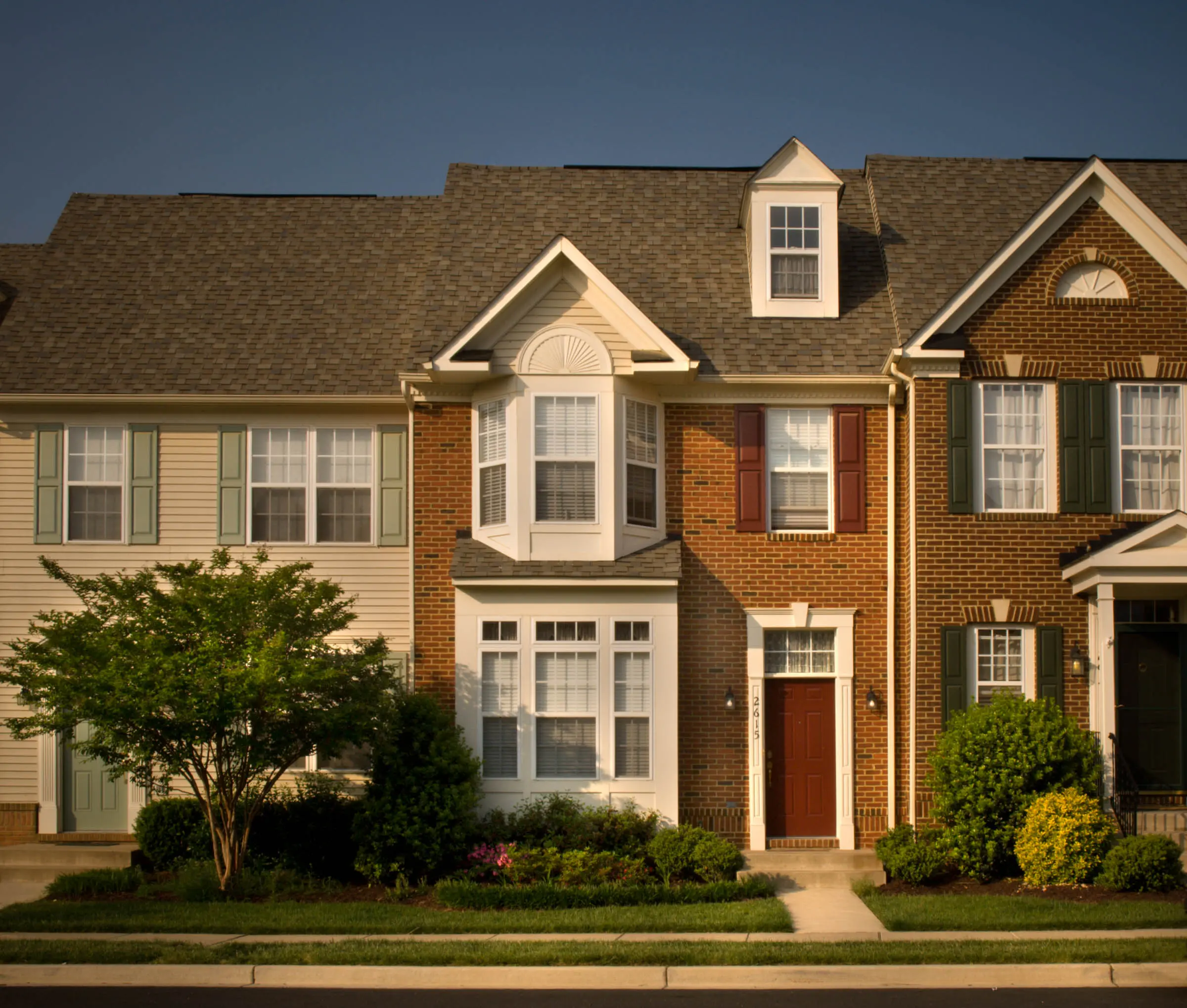
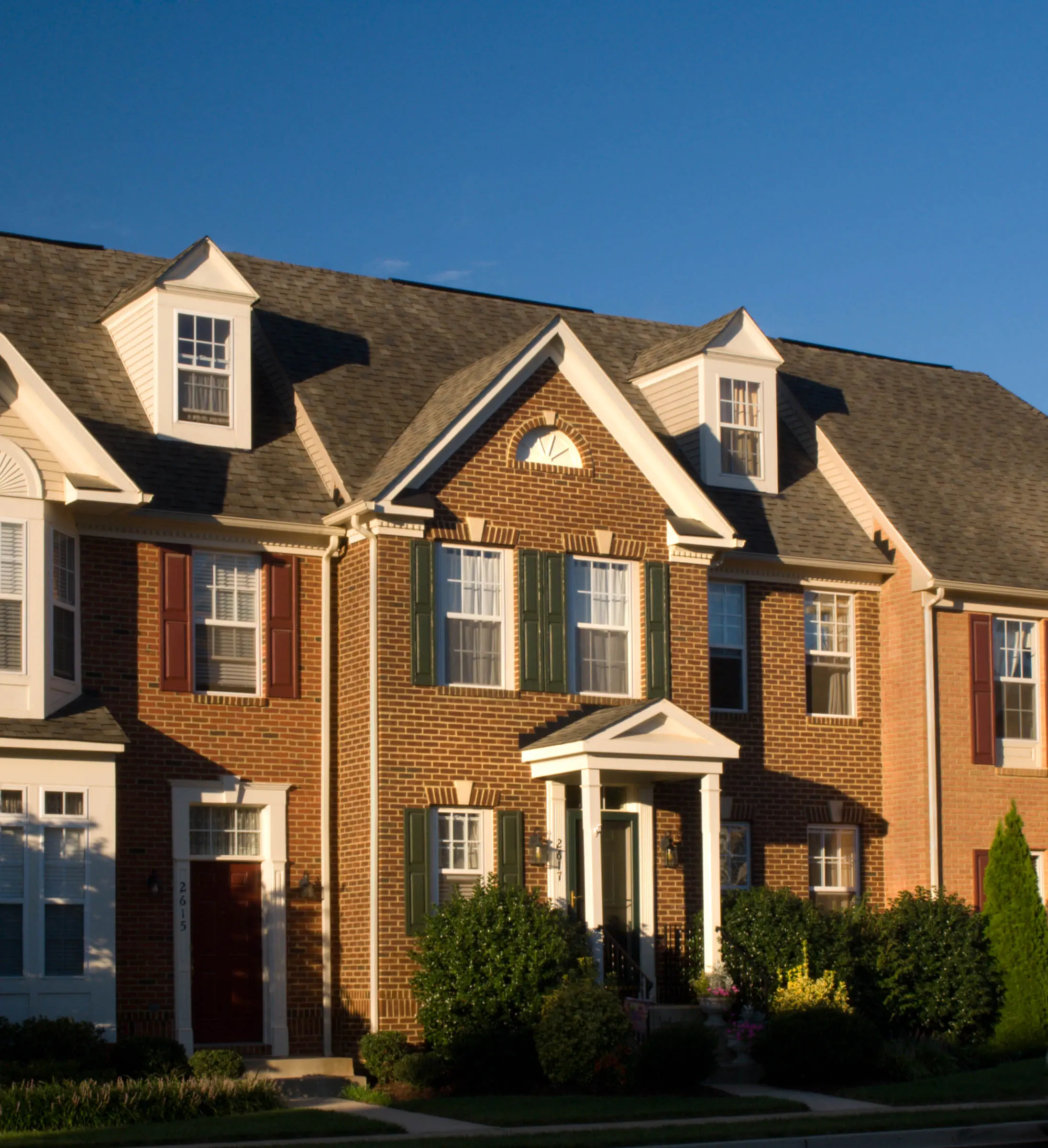
Featuring award-winning federal-style architecture, a two-car garage accessible off a private rear drive, and a private fenced in courtyard. Optional fourth levels with charming dormer windows, angled ceilings, and optional fireplace. Set in the award-winning community of Worman’s Mill, with 100 acres of stream valley parkland on one side and the Monocacy River on the other, walking trails, signature parks, swimming, tennis, basketball, and fitness center. Grand clubhouse and signature restaurants, sidewalk café, ice cream parlor, boutique shops, and concerts on the green all in the heart of Worman’s Mill. Minutes away is the vibrant city of Frederick with its renowned restaurant district, arts venues, theatres, Carroll Creek Promenade, and expansive city parks.
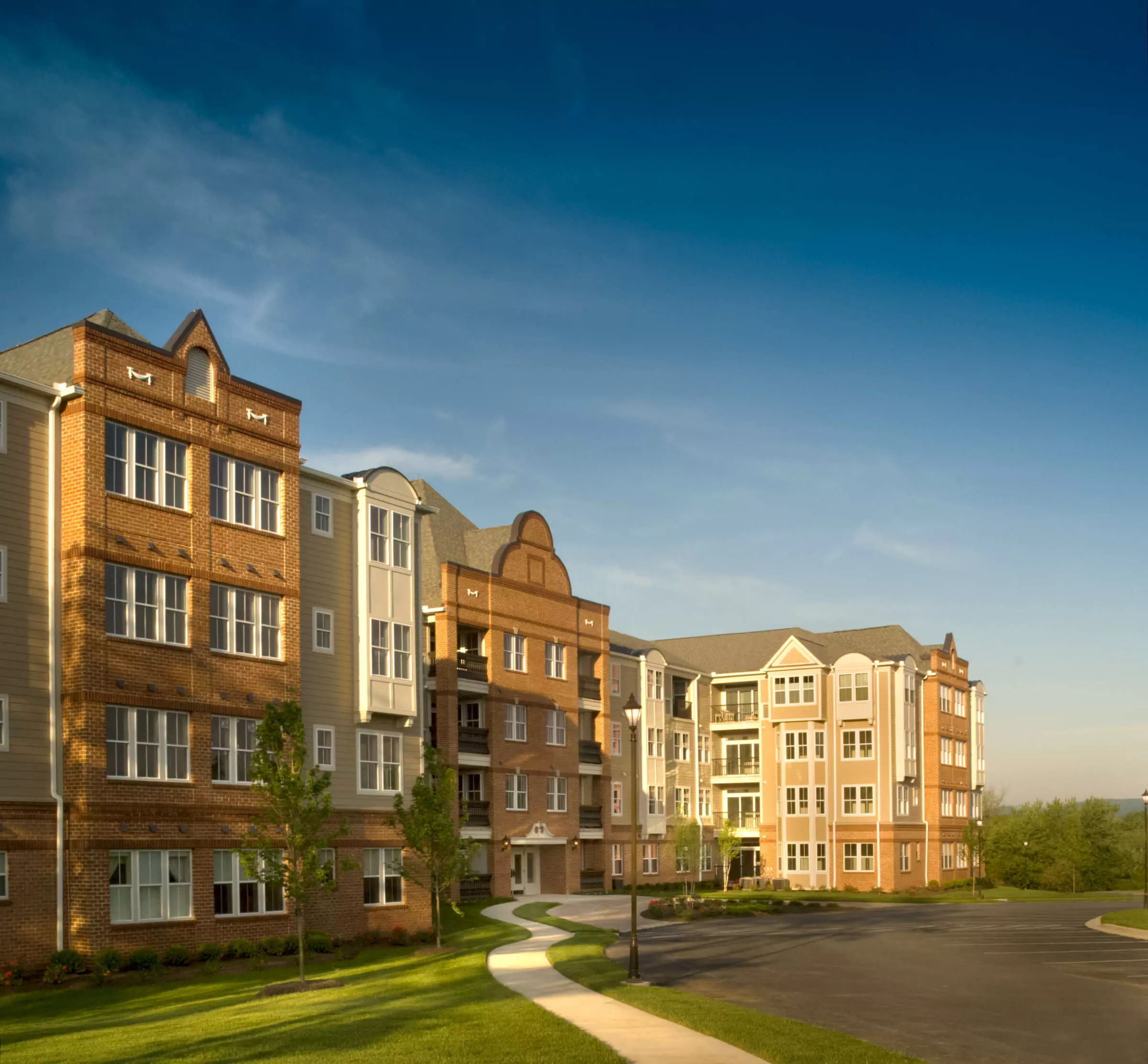
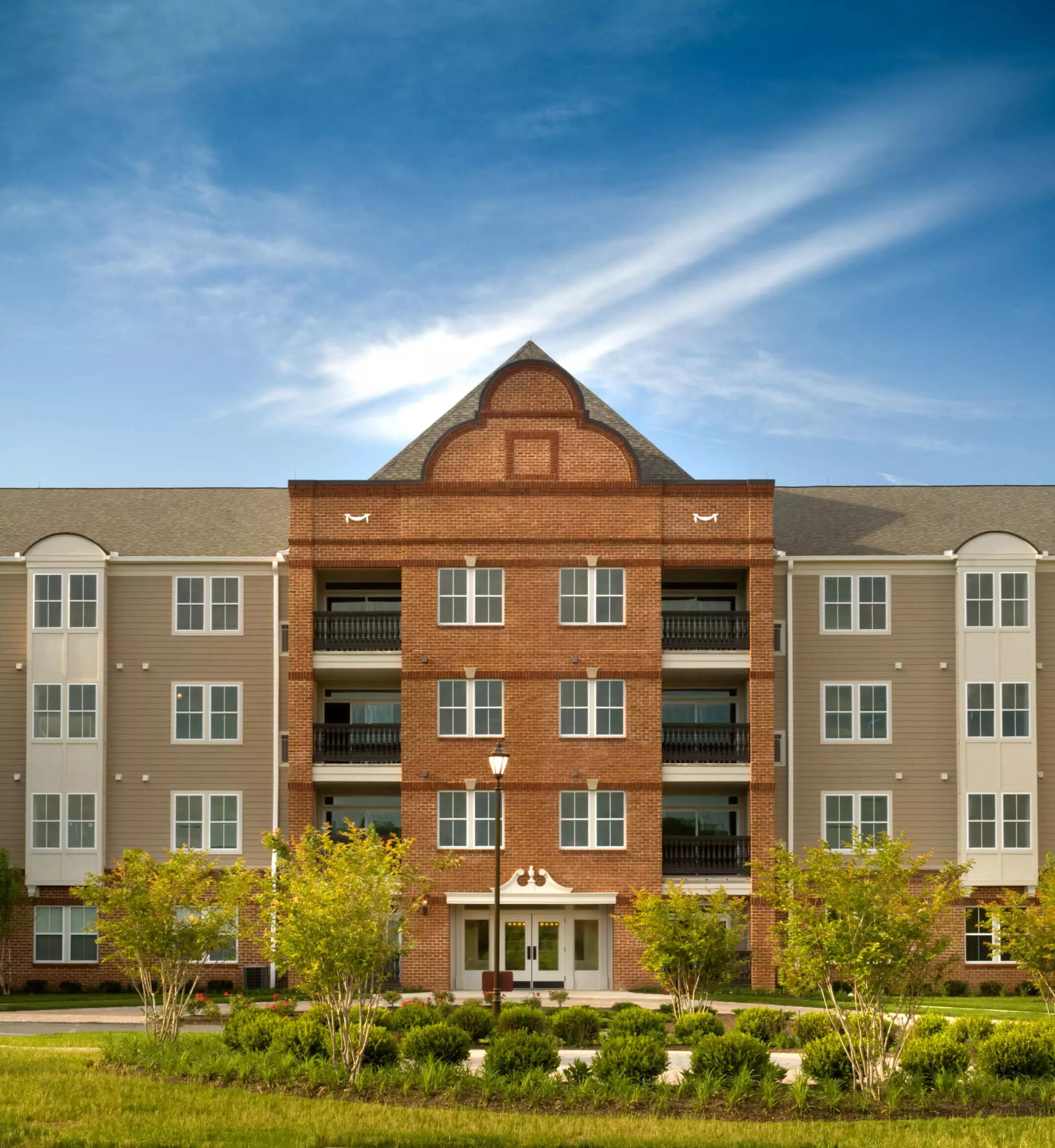
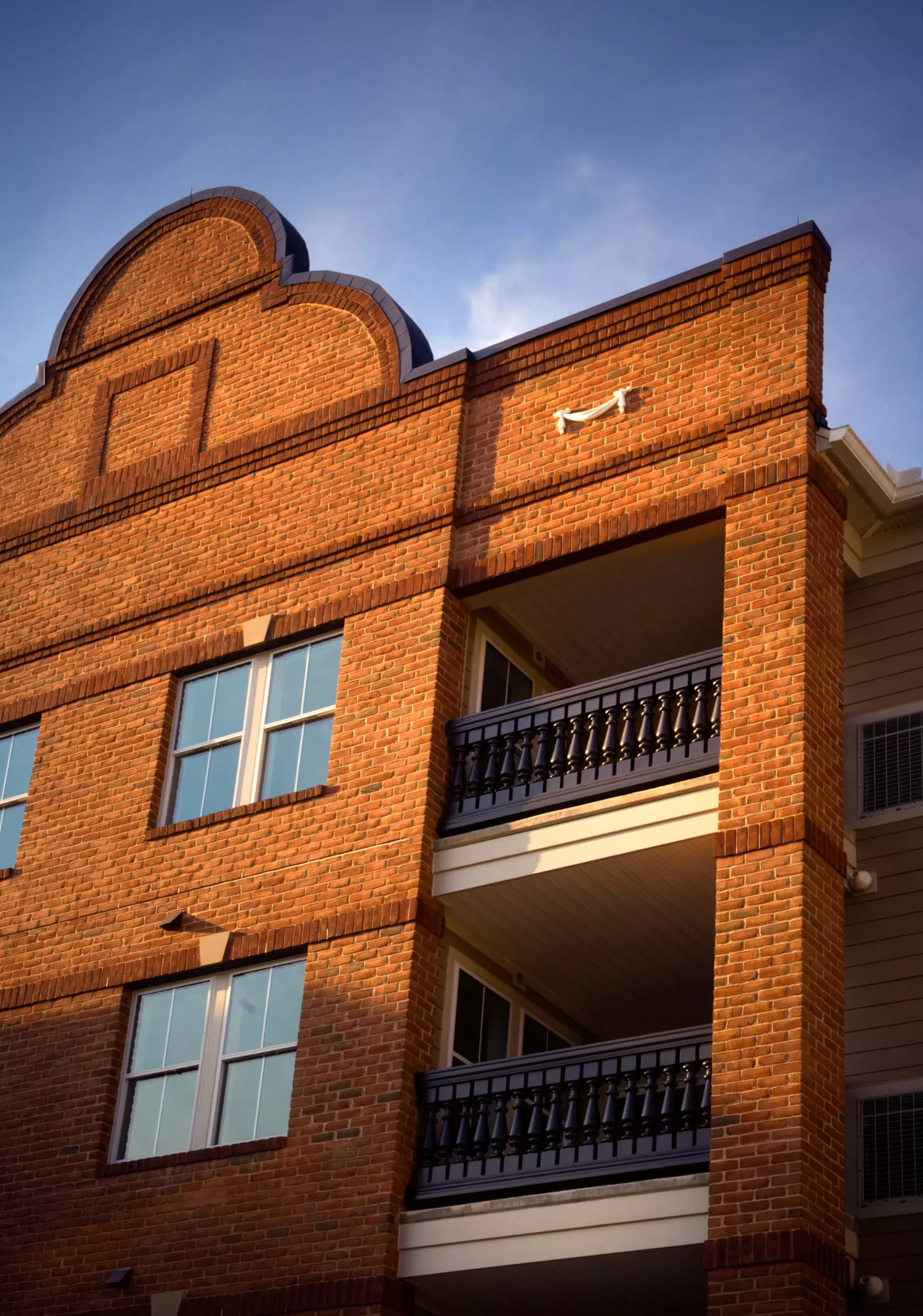
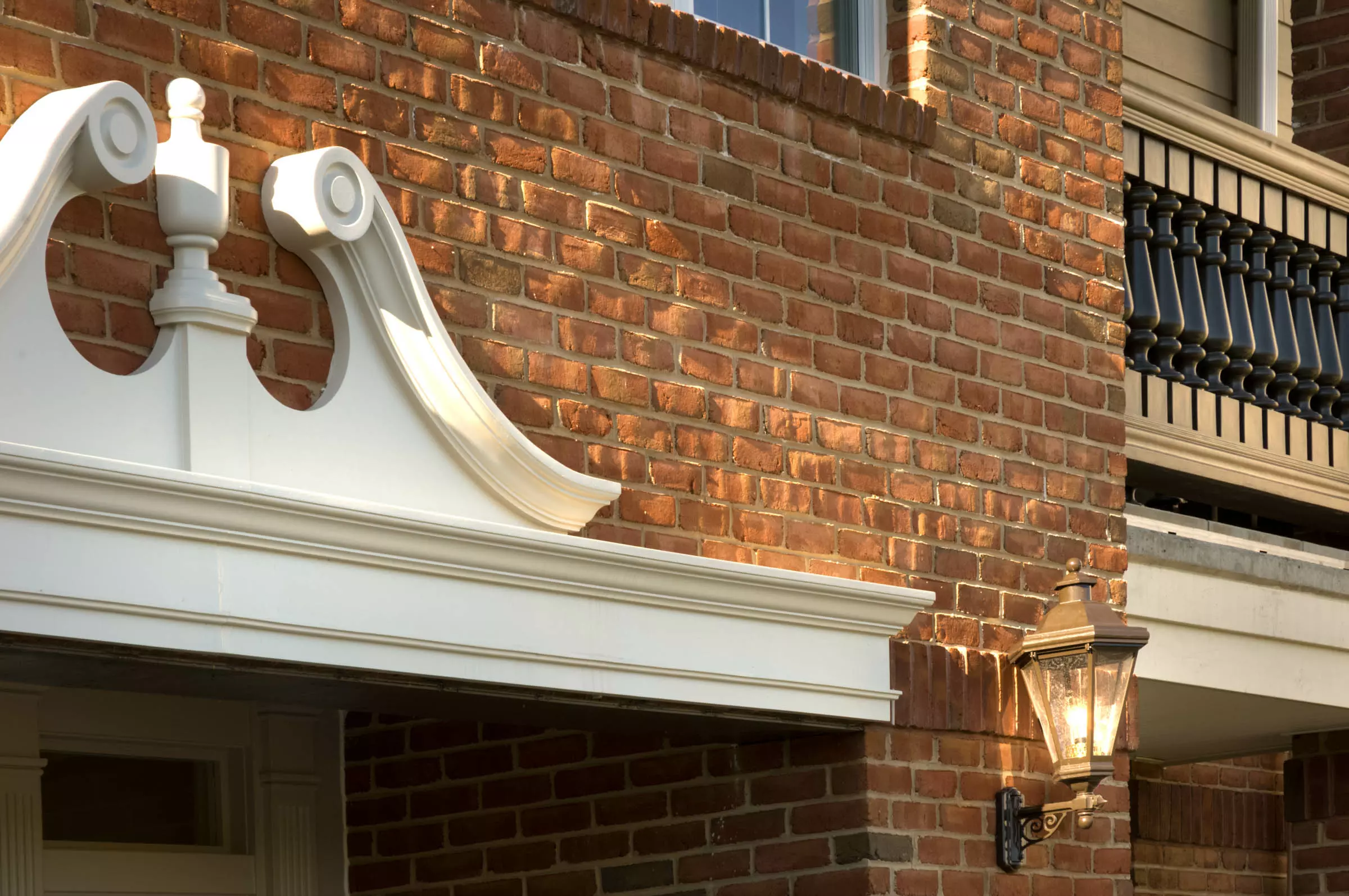
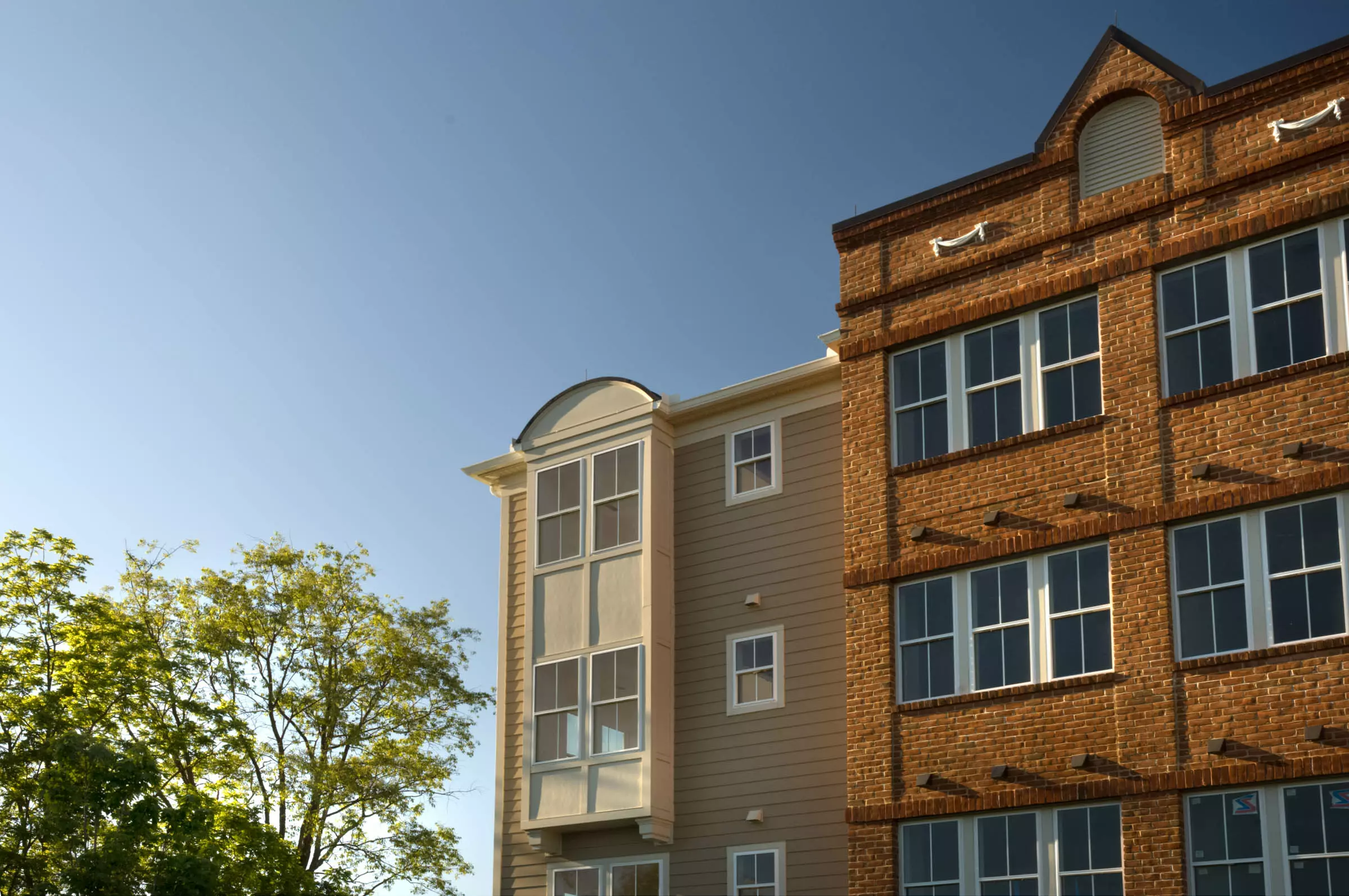
Wormald Commercial designed and built this award-winning luxury condominium building in Frederick, Maryland. This 54-unit project features secured enclosed garage parking, two elevators, solid concrete and street construction, a secured lobby, and columned and arched corridors. Wormald’s rigorous quality inspection program, with a multi-layered inspection process, including an outside third-party inspection team, is an example of Wormald’s above and beyond approach to construction management.
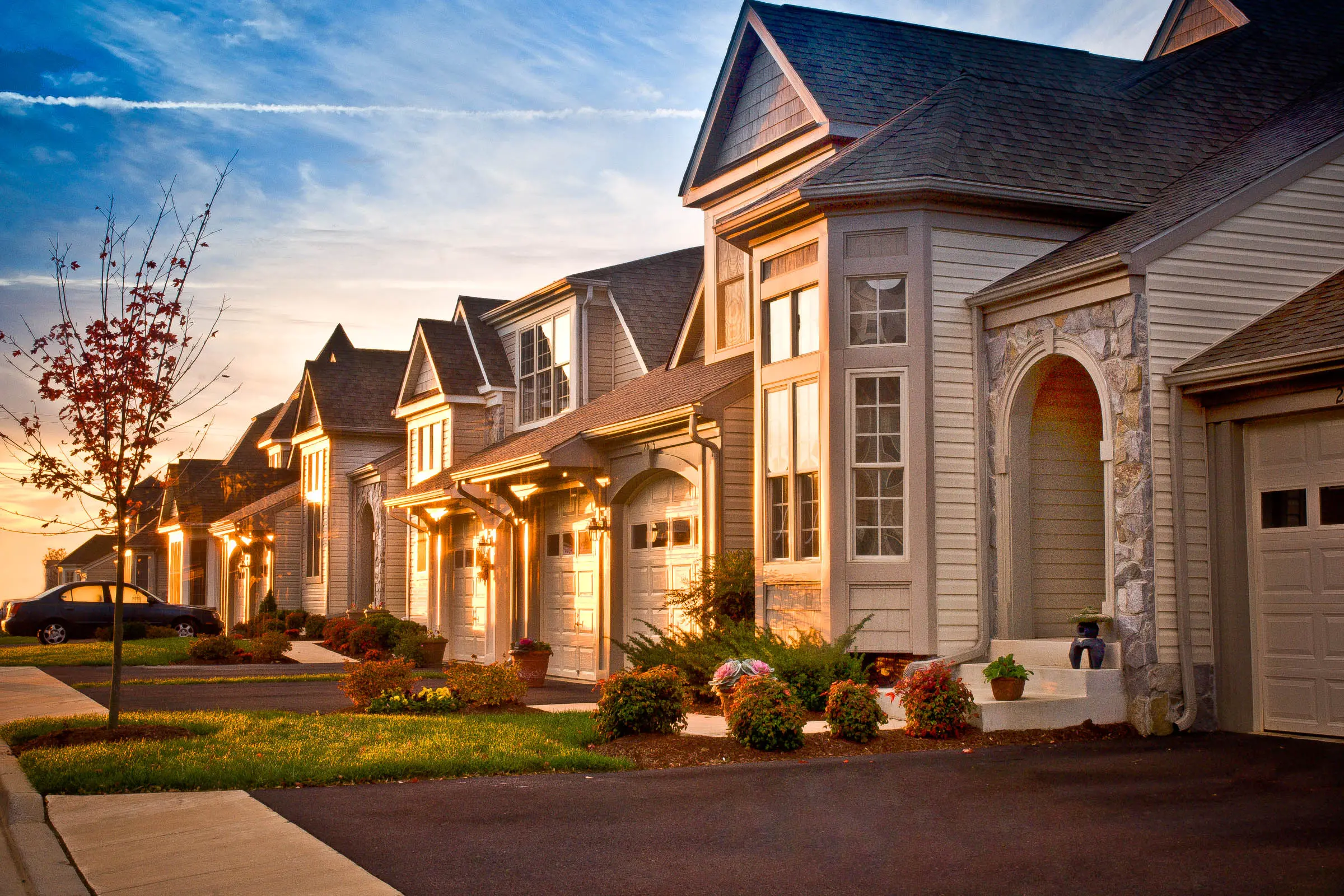
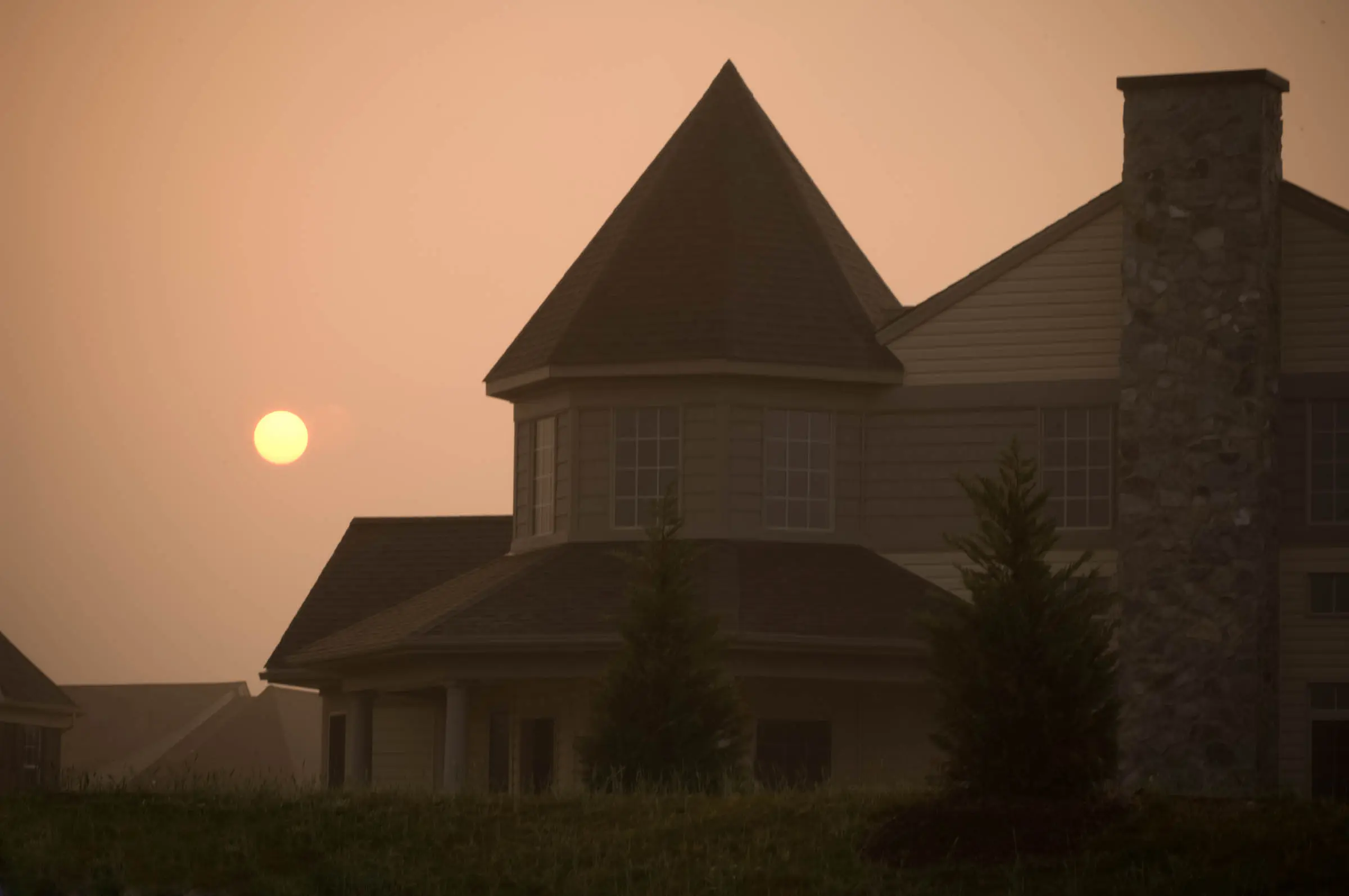
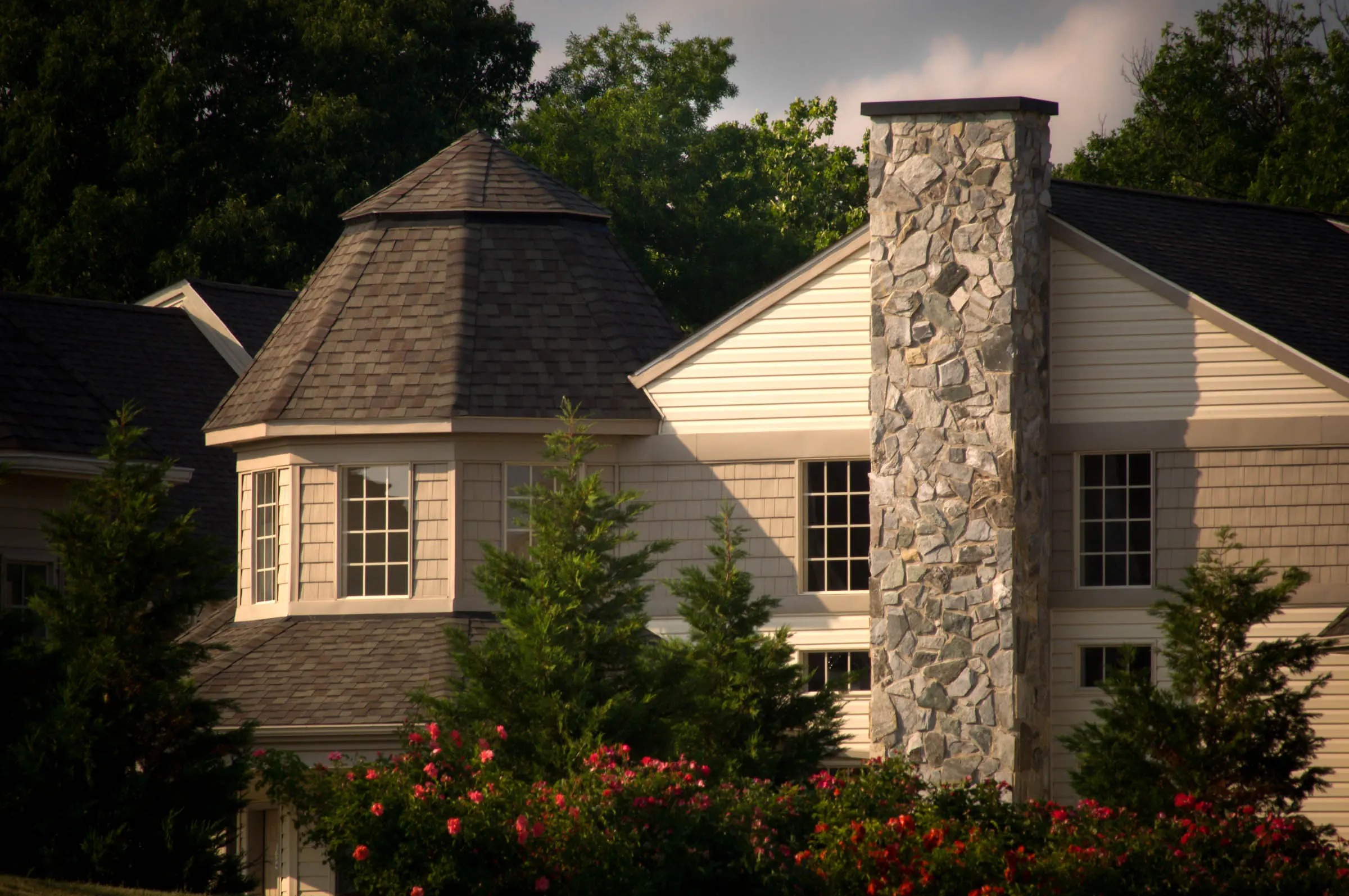
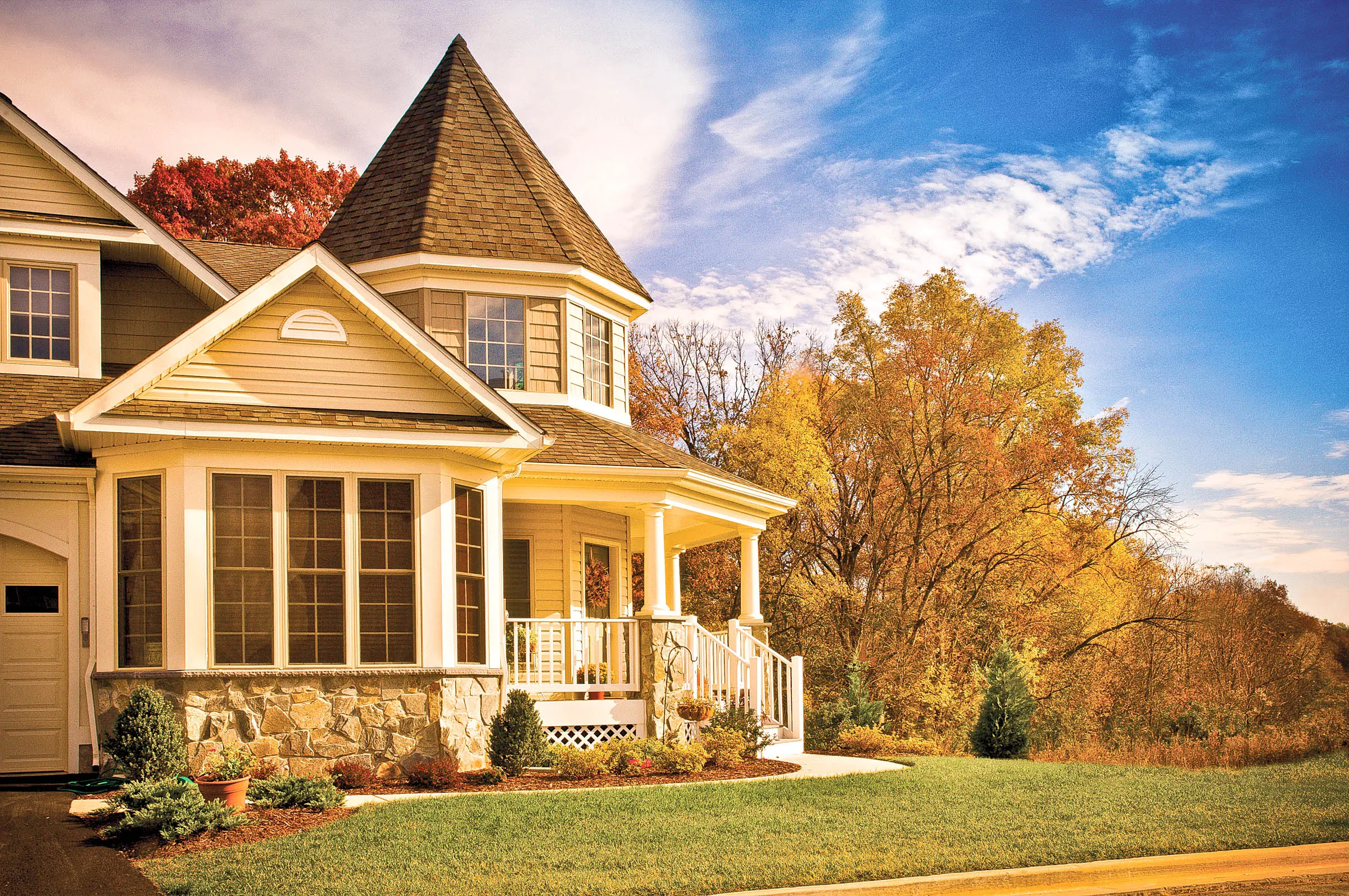
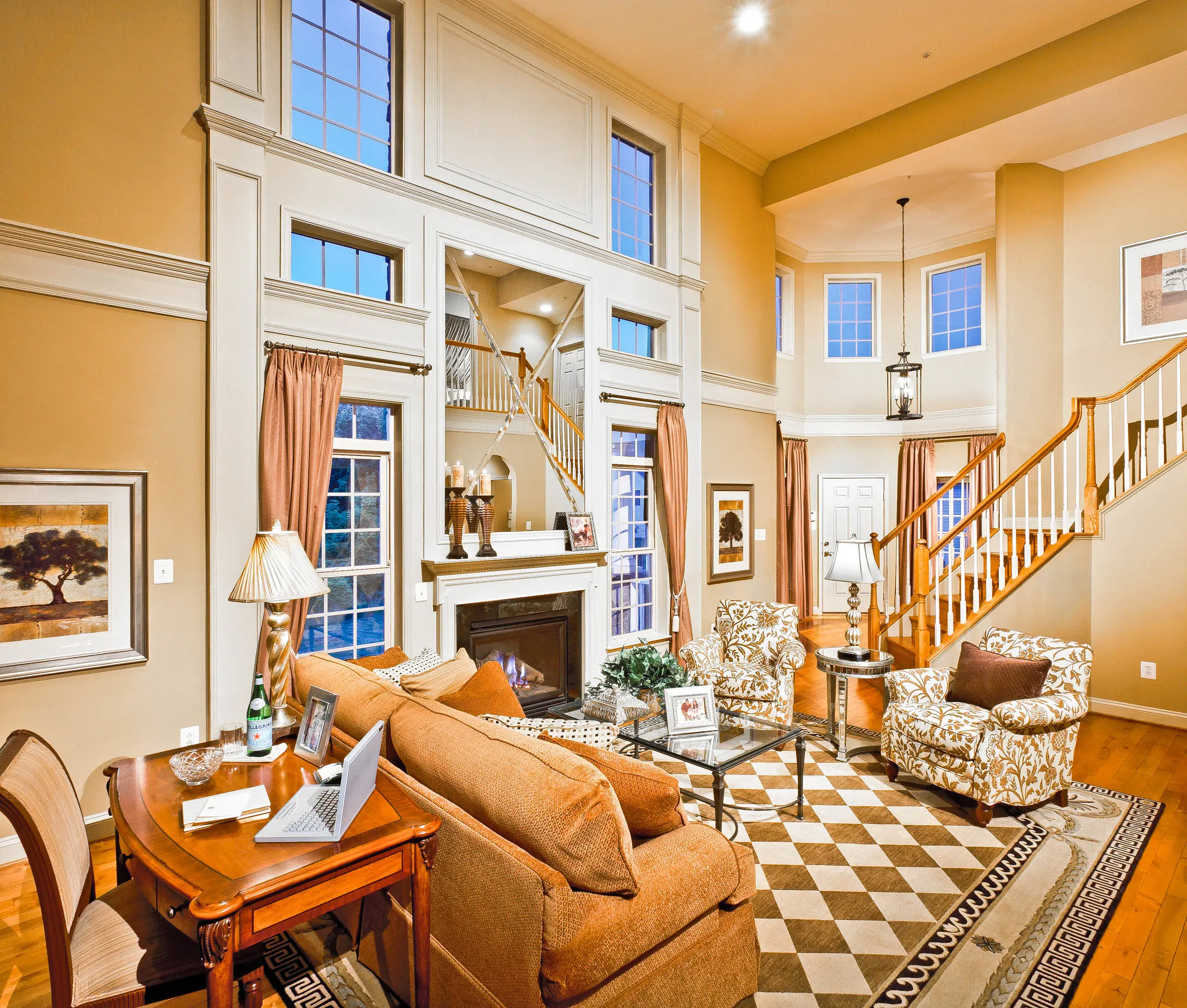
The new standard in one-level-living with all the main rooms, including the owner’s suites, on the main level. The upstairs loft and bedrooms are ideal for visiting guests or family members. These multi-award-winning villas feature optional elevators, two-car garages, open floor plans, island kitchens (including the famous octagonal kitchen), two and one-half to four and one-half baths, three to five bedrooms, and 2,693 to 5,210 square feet. The community of Worman’s Mill features upscale amenities such as swimming, tennis, a clubhouse, walking trails, parks, and the upcoming village square retail.
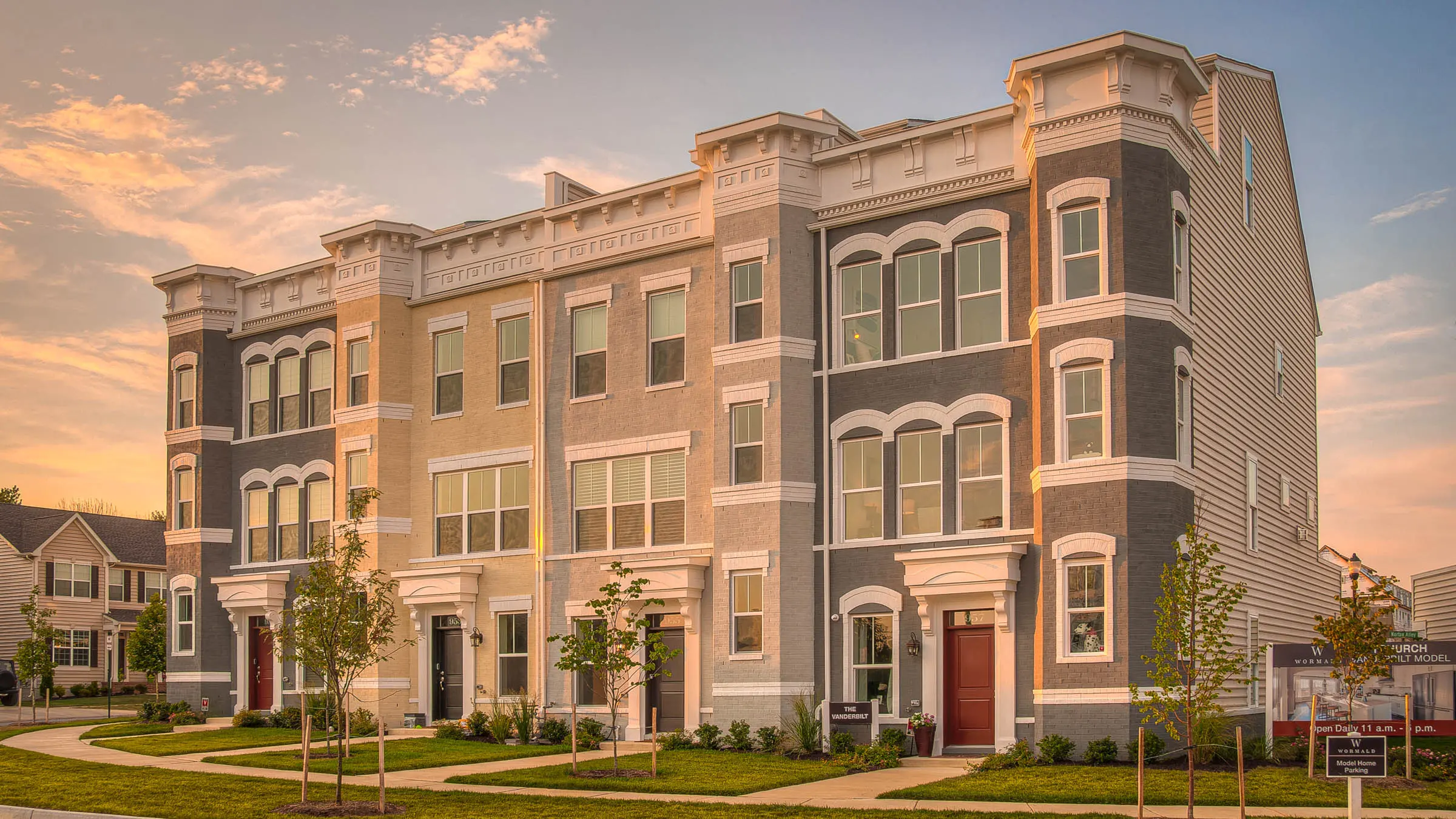
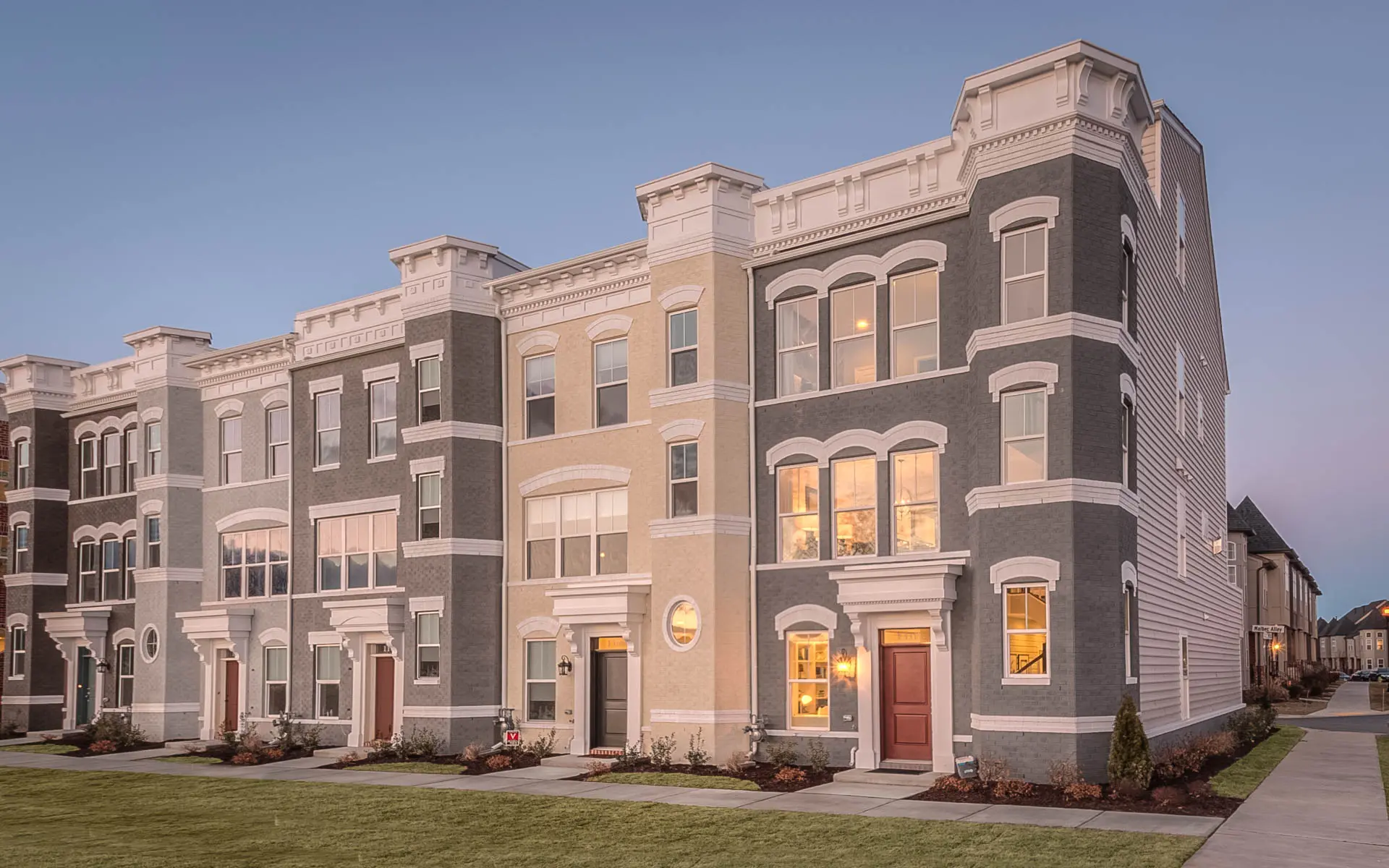
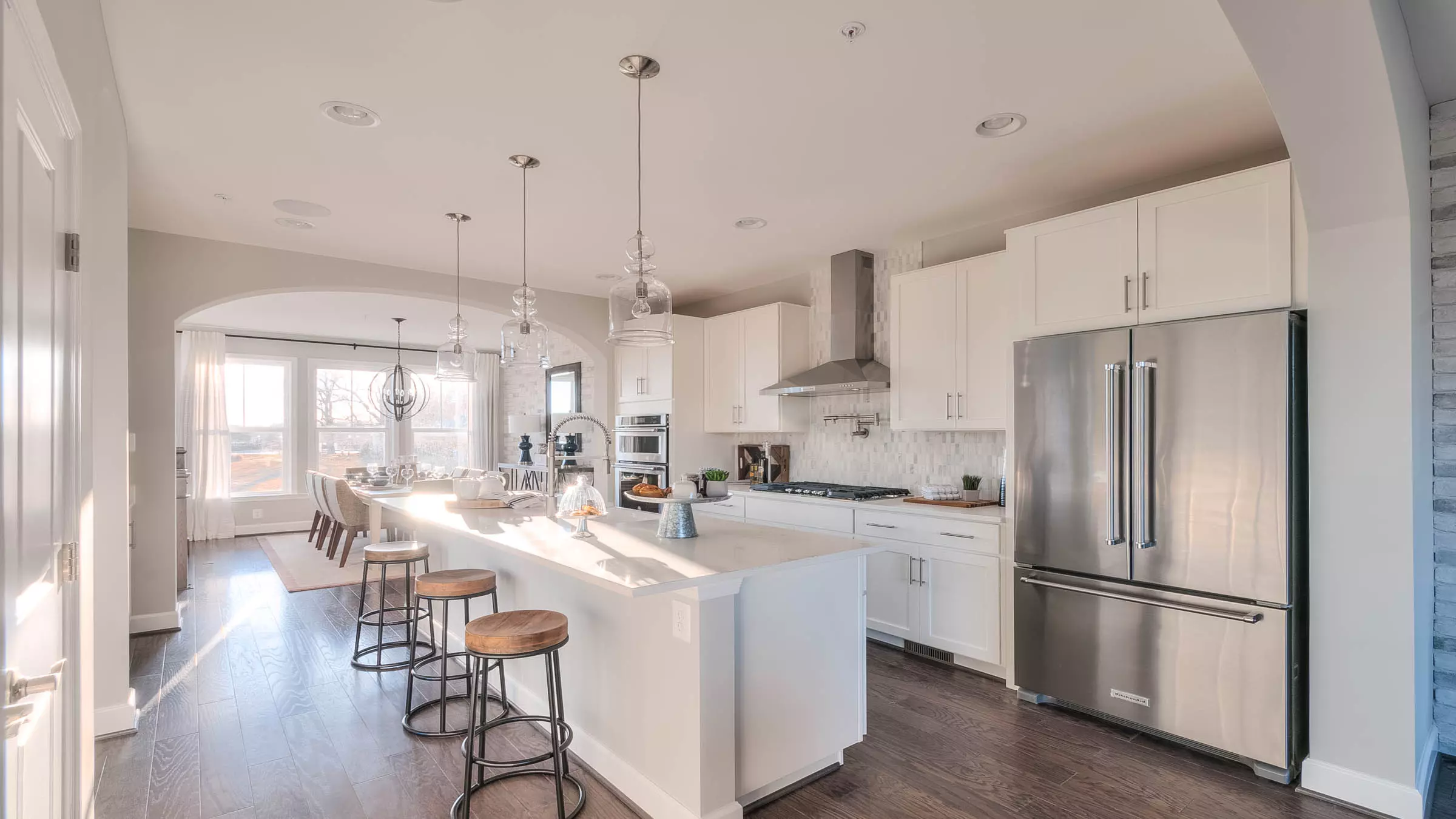
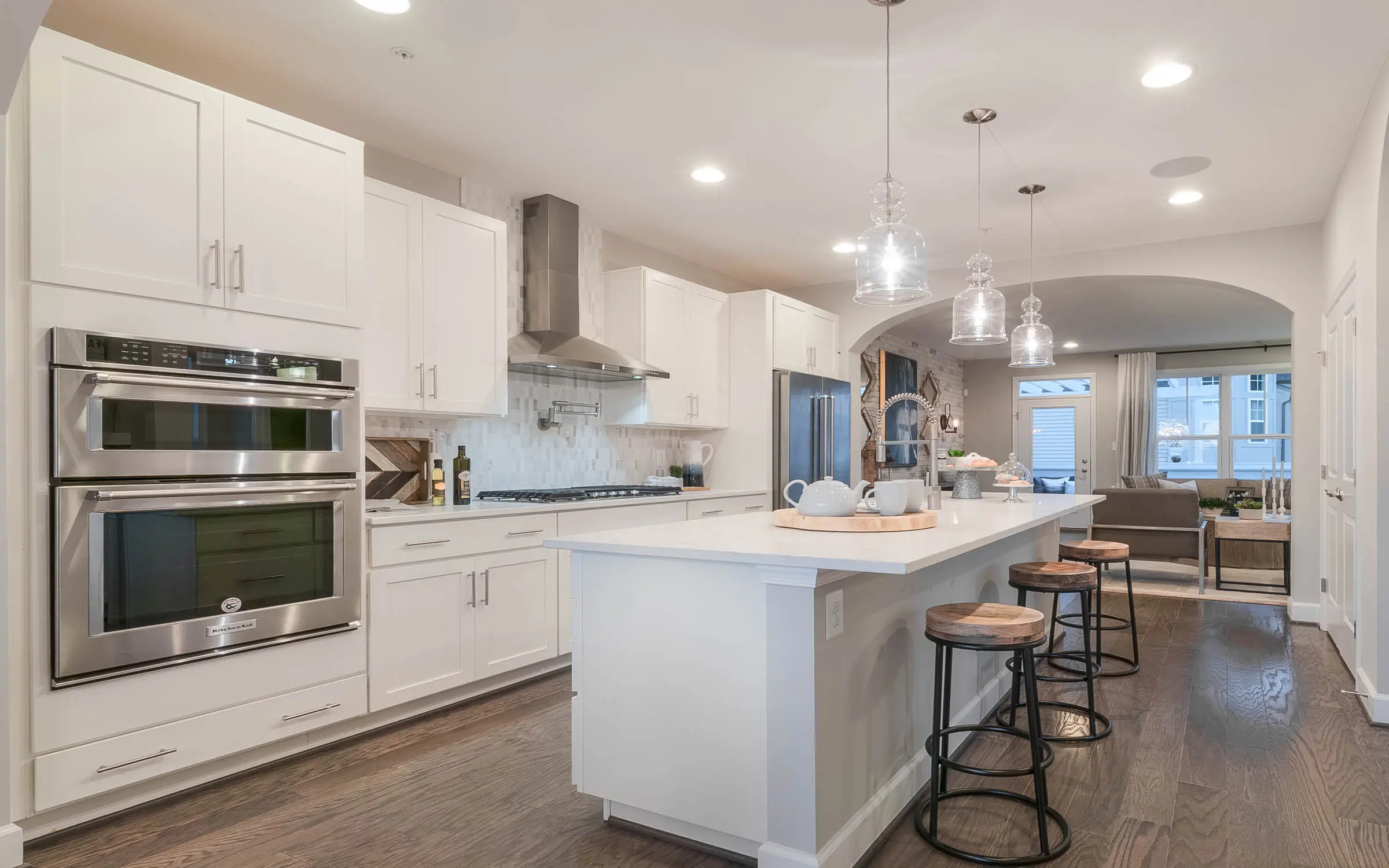
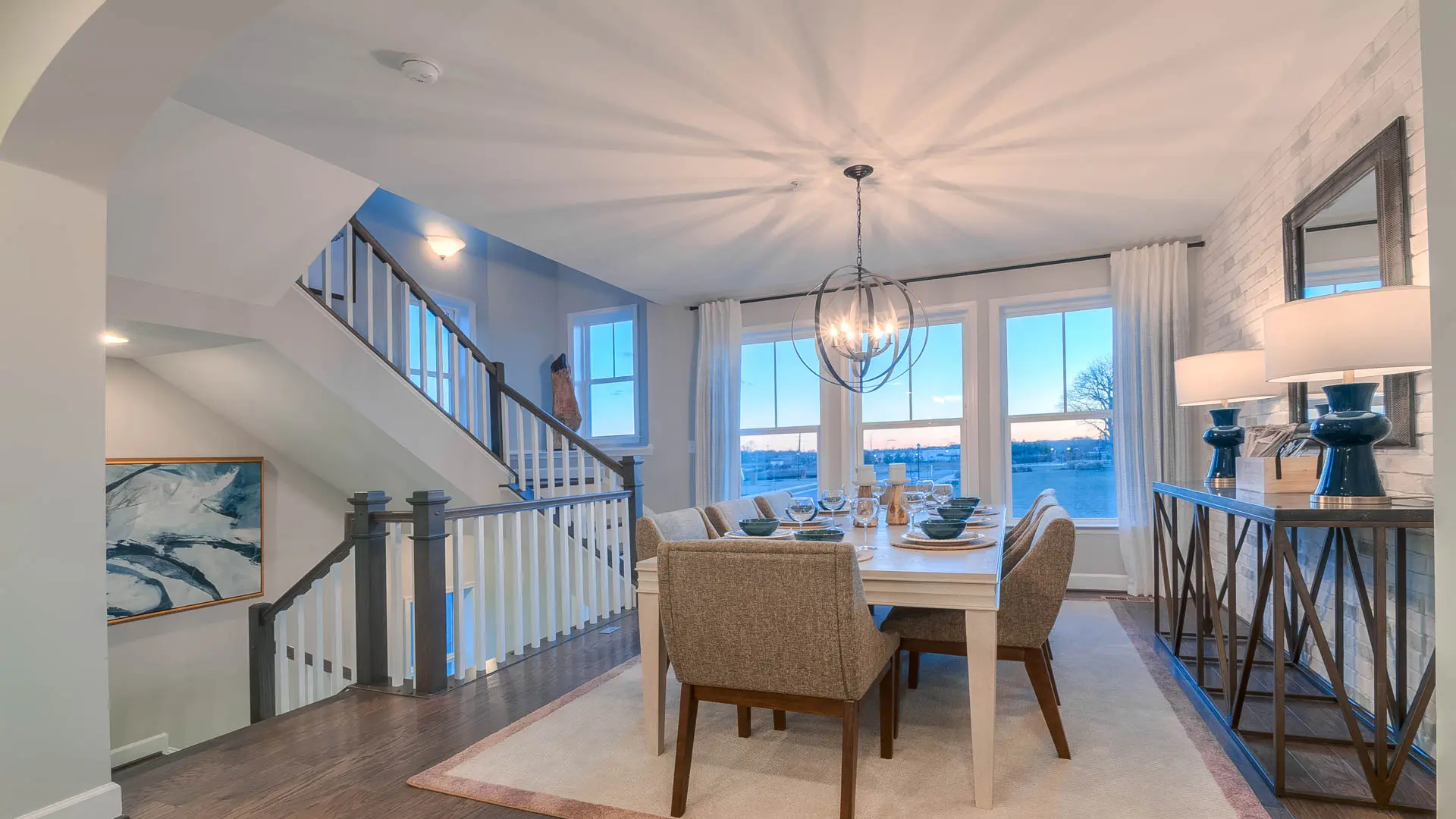
The Vanderbilt II is an exciting townhome in the community of EastChurch in Frederick, Maryland. The Vanderbilt II townhome is designed for the most discerning buyer. Meticulously crafted as the ultimate townhome with 4-STOP ELEVATOR, tall windows, grand entrance details, angled accent tower on each façade, cascading brick detailing, and ornate parapet trim. Truly the definition of elegance and sophistication.
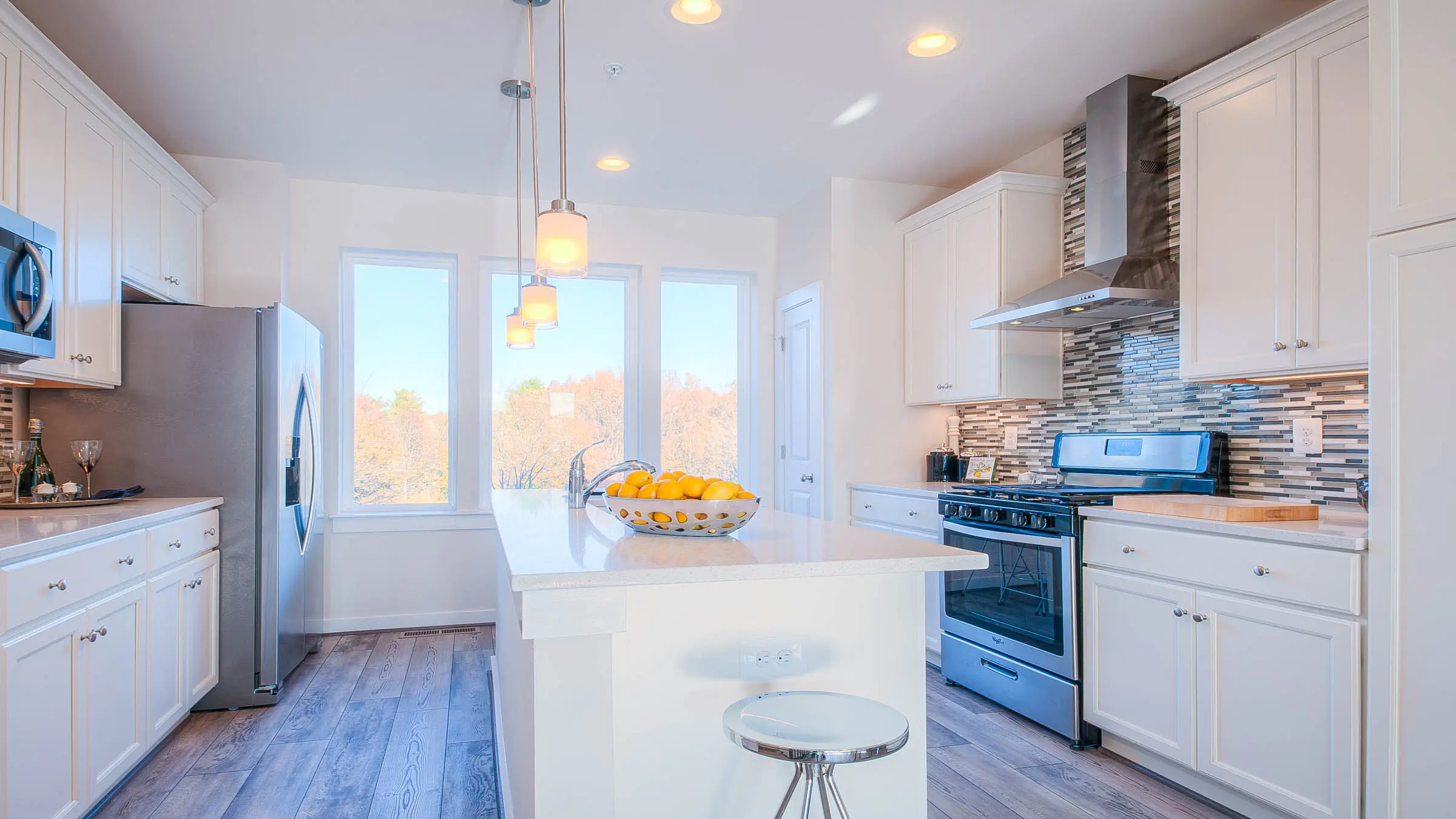
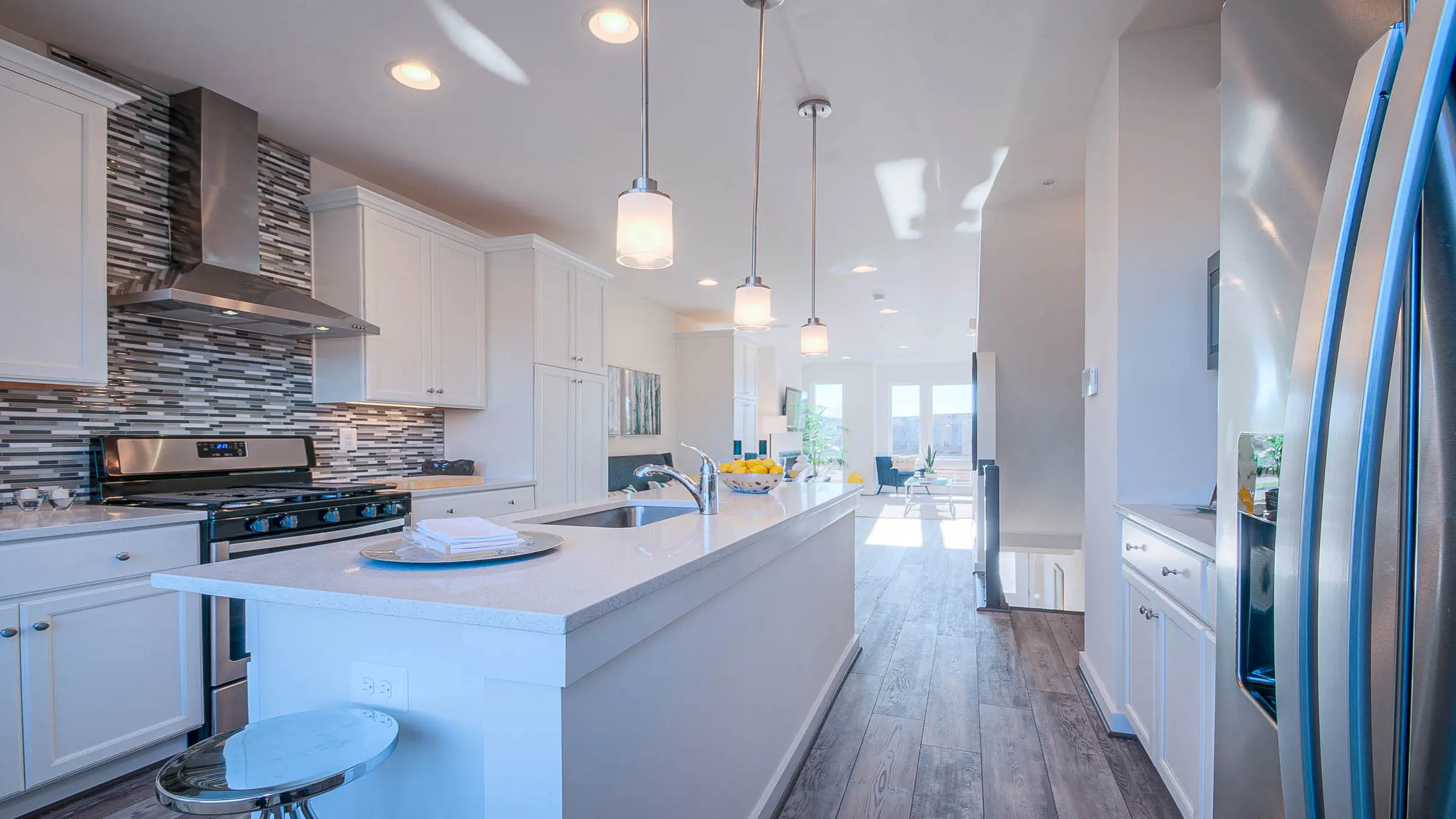
The Vanderbilt features four finished levels with the addition of our popular rooftop terrace. The main level with an open floor plan and deck off the great room is ideal for entertaining providing a seamless flow between the indoor and outdoor living areas. Included features include a Gourmet Kitchen, Dining Room and Great Room with fireplace. The kitchen provides plentiful countertop space with quartz countertops and white cabinets, grand island, side server, and a Whirlpool stainless steel gourmet appliance package.
Enjoy the freedom of a Lock & Go Lifestyle – no more mowing, raking, or sidewalk shoveling!
Be sure to ask about our closing cost incentive when using a Wormald preferred lender.
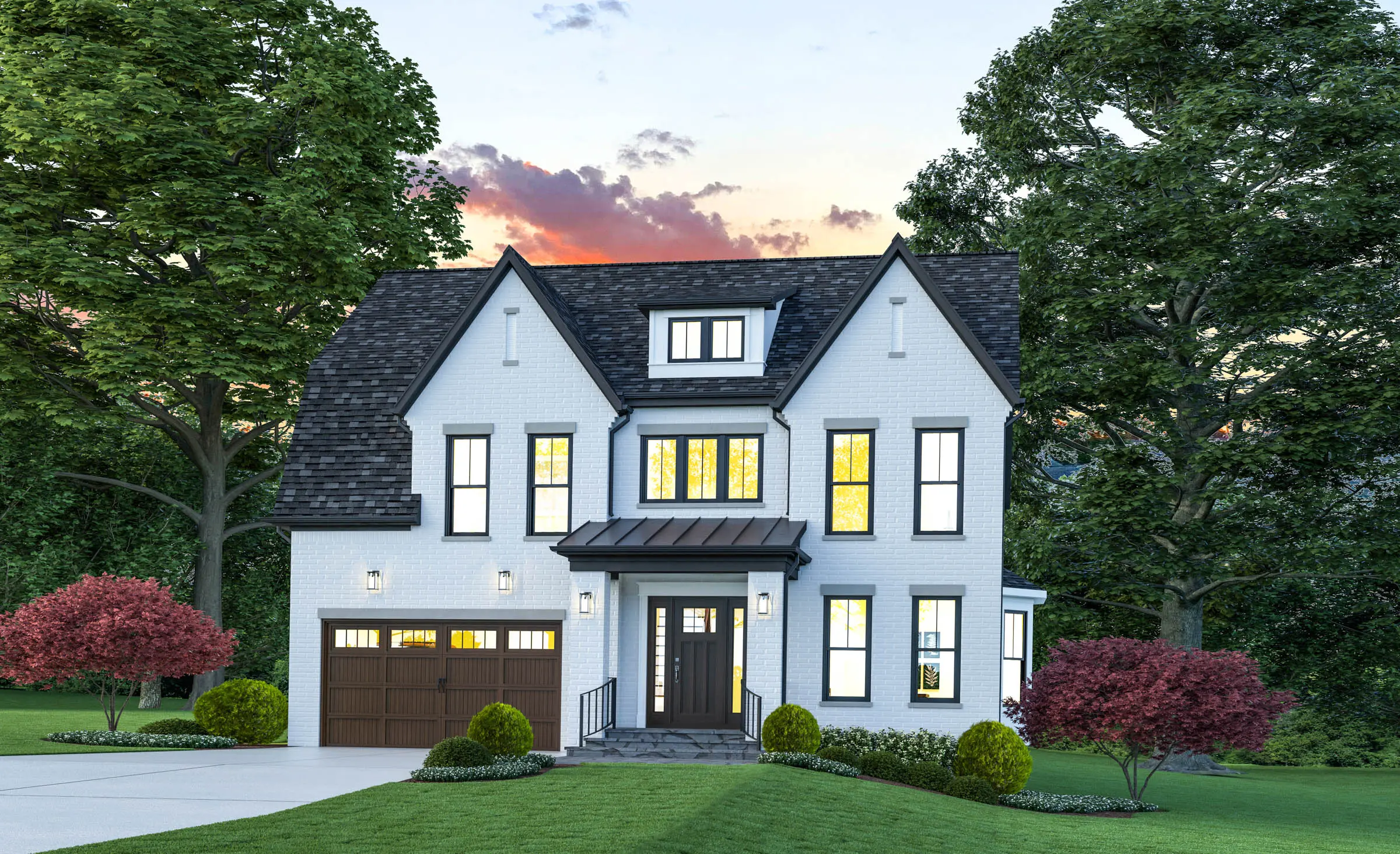

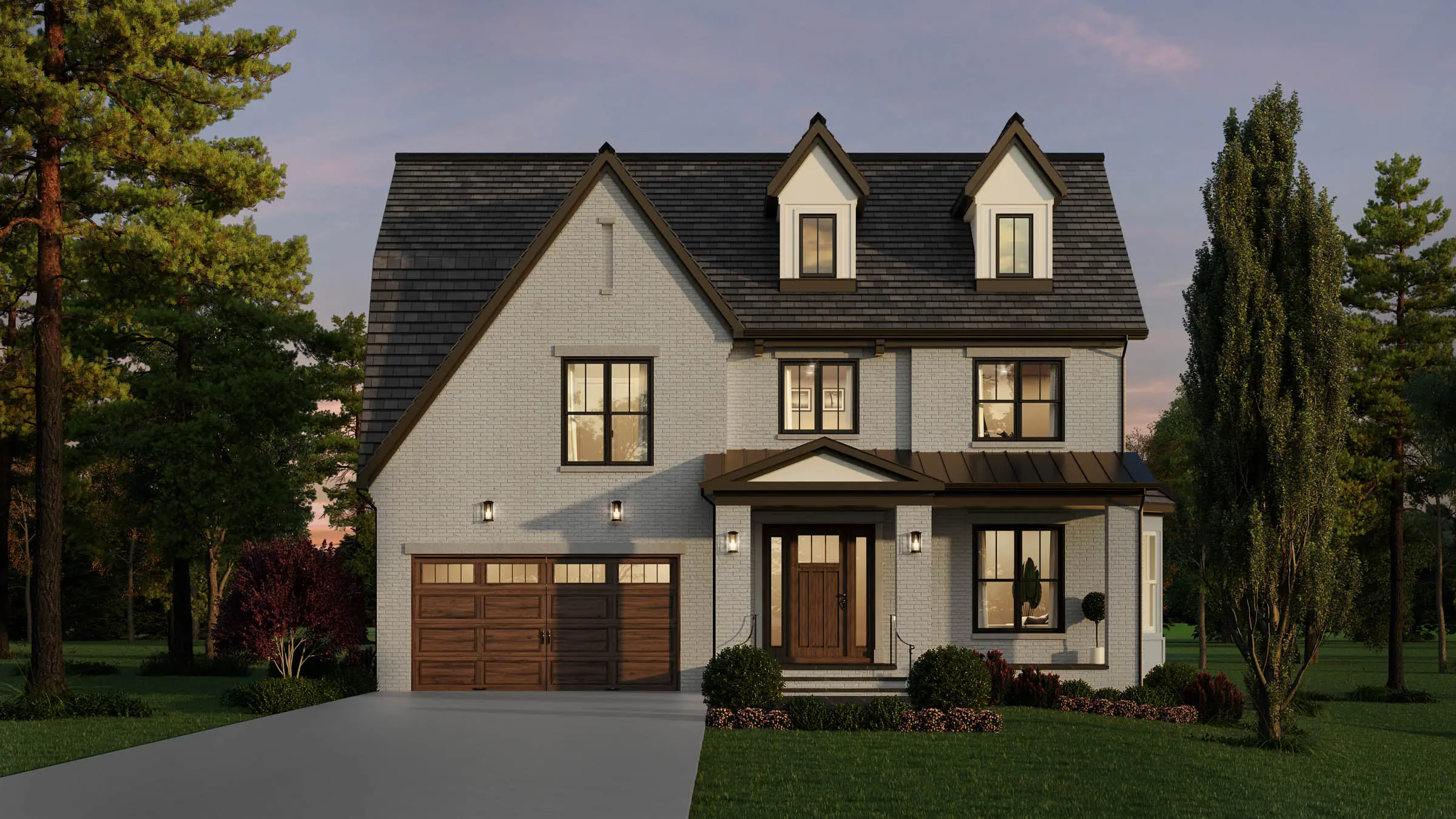
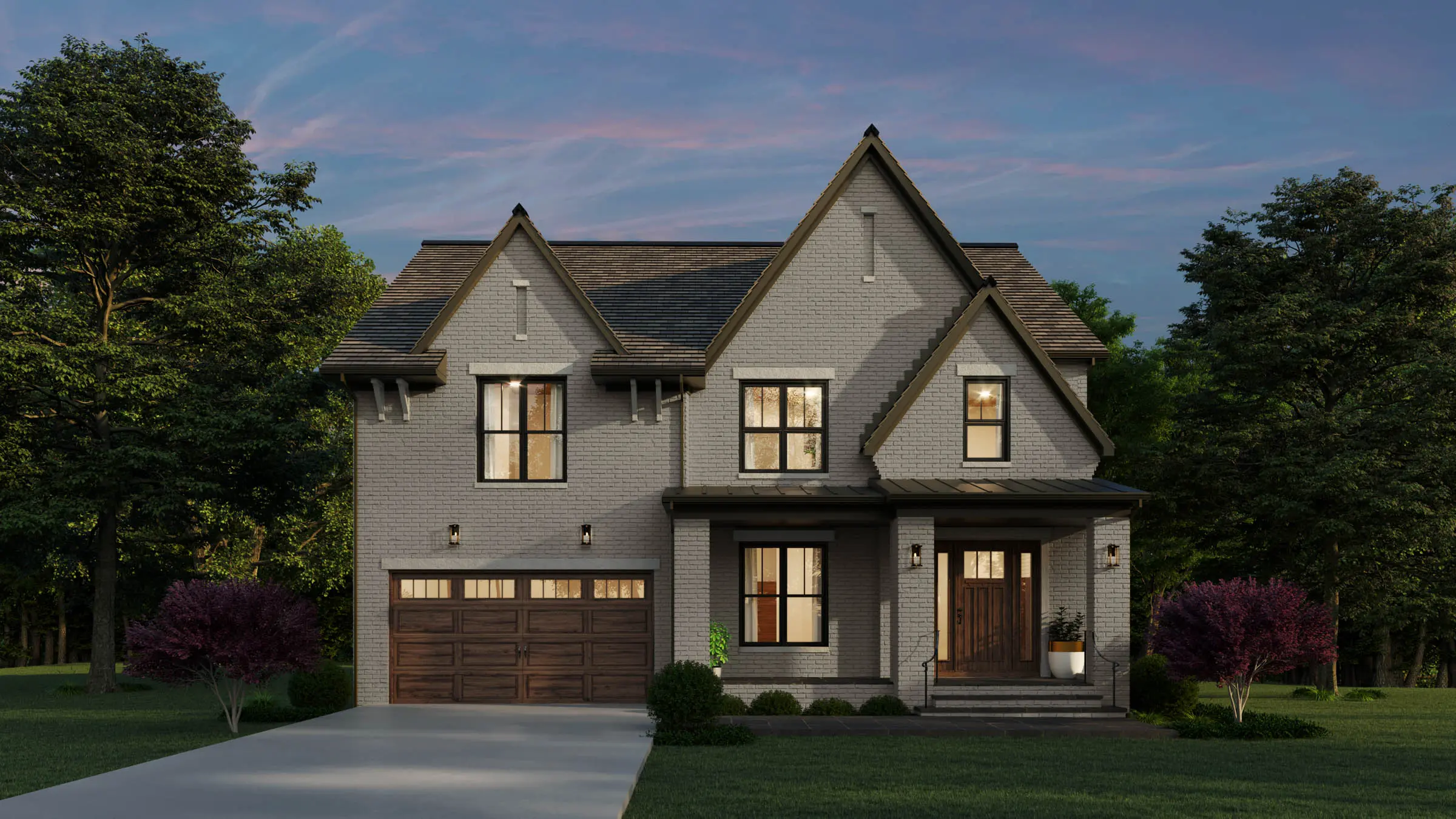
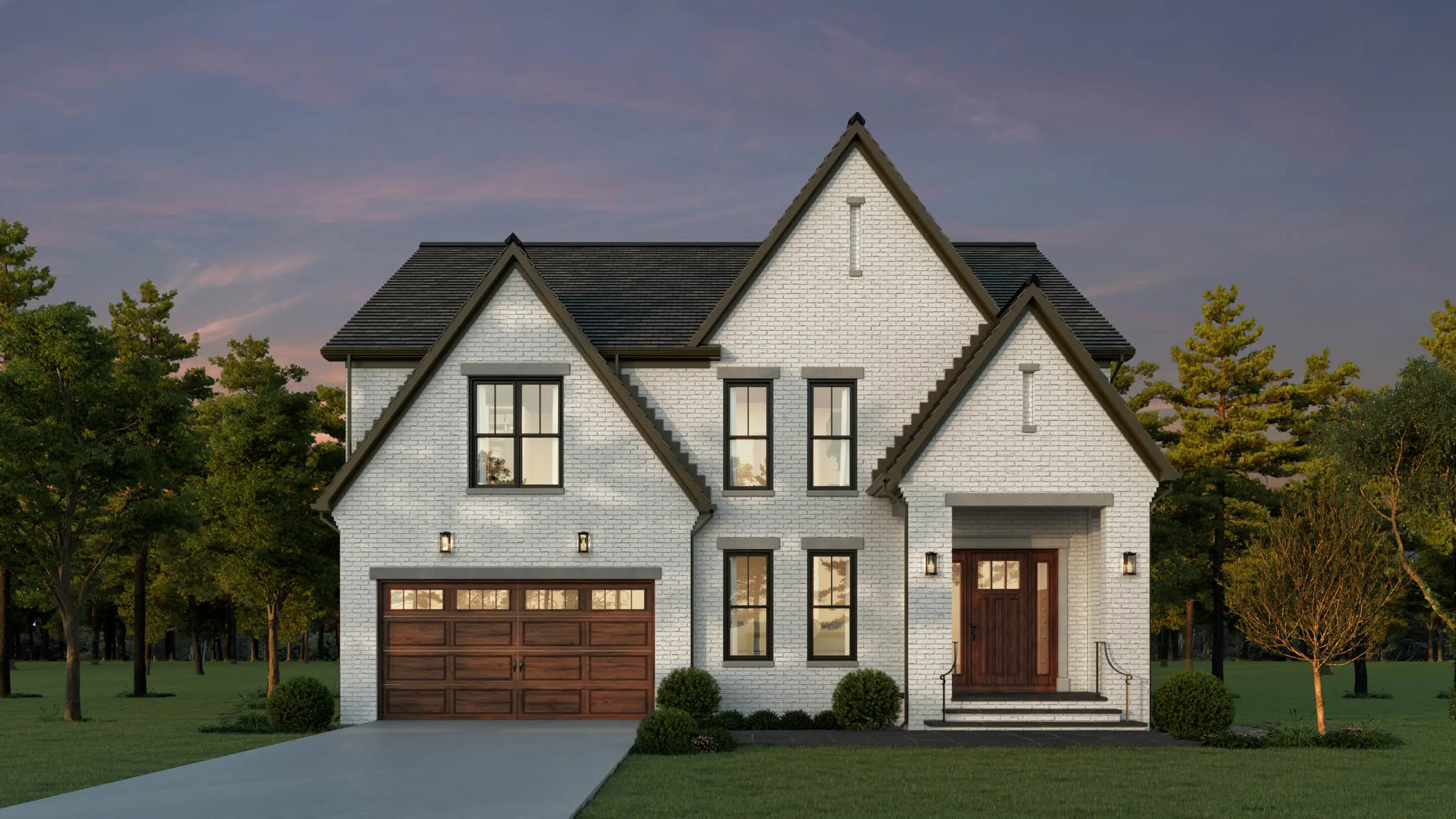
In 1927, Business Week publisher, Merle Thorpe, chose this location as prime real estate to build his mansion. Thorpe named the location “Pook’s Hill”, after the “Puck of Pook’s Hill”, a popular poem by Kipling which was made famous when T.S. Eliot included the poem in one of his compilations. In 1940, the Crown Princess of Norway bought the mansion and enlarged it further, bringing further renown to this location. Today, a luxury enclave of beautiful new homes, called Wild Oak, will soon grace the top of this historic hill, called Pook’s Hill.
The homes of Wild Oak were custom-designed for Wild Oak by the Wormald Design Studio, based on Wormald’s decades long experience of building homes in the local market (not to mention a grandfather who built Wildwood Shopping Center just down the street!). Every detail and specification celebrates the latest design trends in the market today. This exclusive wooded enclave provides a rare opportunity to live in fresh, new, transitional architectural designs which include open floor plans, elevators, and outdoor living spaces. The newly renovated Y is just down the street, as well as abundant shopping opportunities including Wildwood Shopping Center, Montgomery Mall, and Downtown Bethesda, all just minutes away.
This is Wild Oak – the epicenter of your new life in Bethesda atop historic Pook’s Hill.


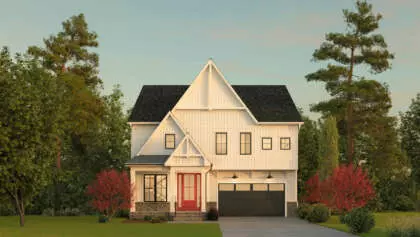
Set upon a ridge near the Monocacy River, just outside of the charming downtown of the city of Frederick, Maryland, is historic Rosehaven, the area’s newest single-family home community in the region’s most sought after Oakdale High School district. Homes feature the popular modern farmhouse architecture and offer both traditional and single level floor plan designs. Enjoy the Pre-Revolutionary War city of Frederick with all its rich history, celebrated culinary scene, and hip arts venues only minutes away!

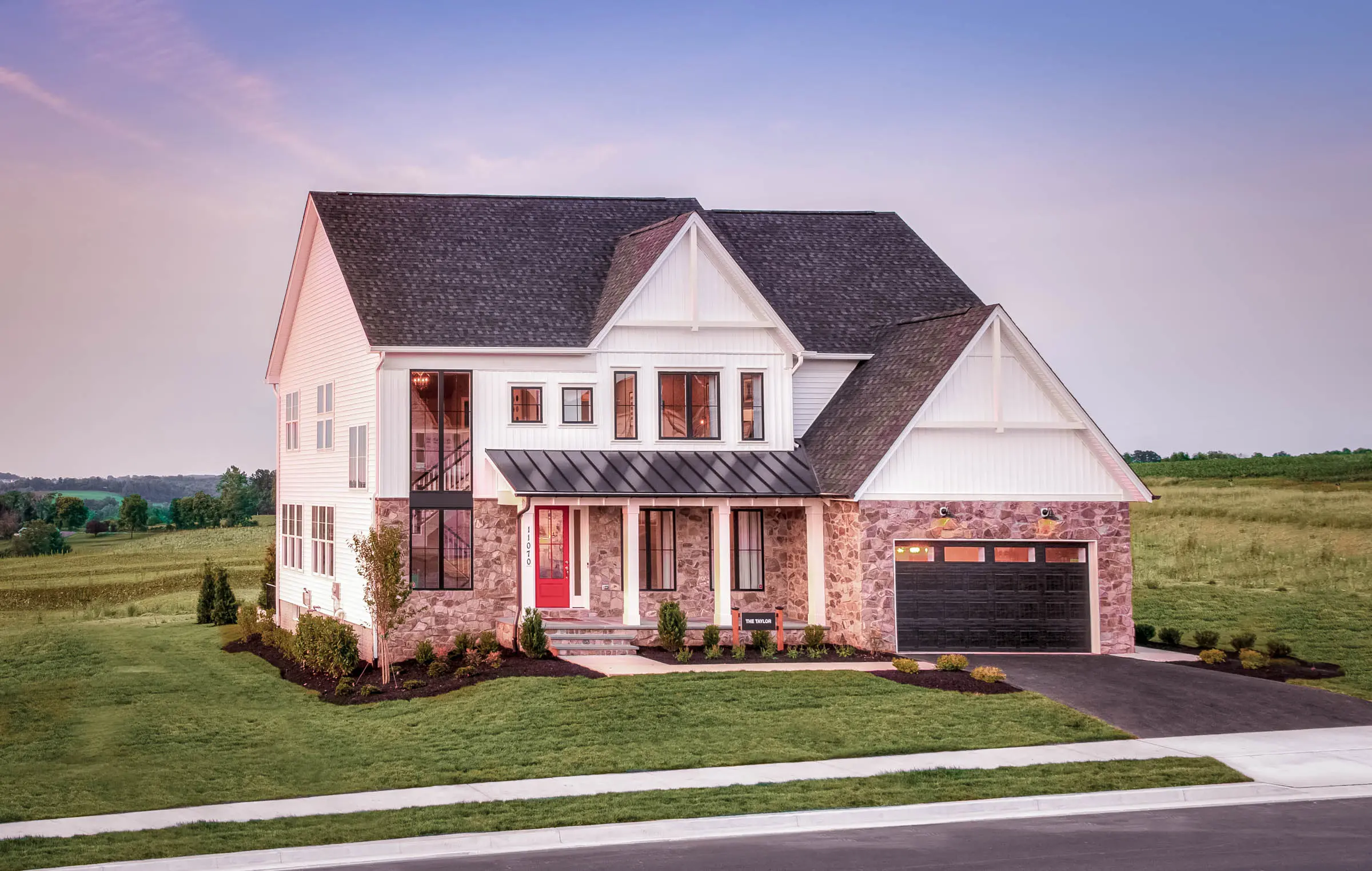


Straight from the desks of Wormald architecture comes the Modern Farmhouse Collection, featuring large, open spaces, wooden beamed ceilings, natural stone, metal roofs, black-framed windows, farmhouse style interior finishes, barn doors, covered porches, patios, and spaces for multi-generational living. These designs are the perfect compliment to the already stunning homes in Beallair. This gated community is just a 20-minute drive from Frederick and Loudoun counties, and is even closer to all the amenities of Harper’s Ferry and many vineyards.
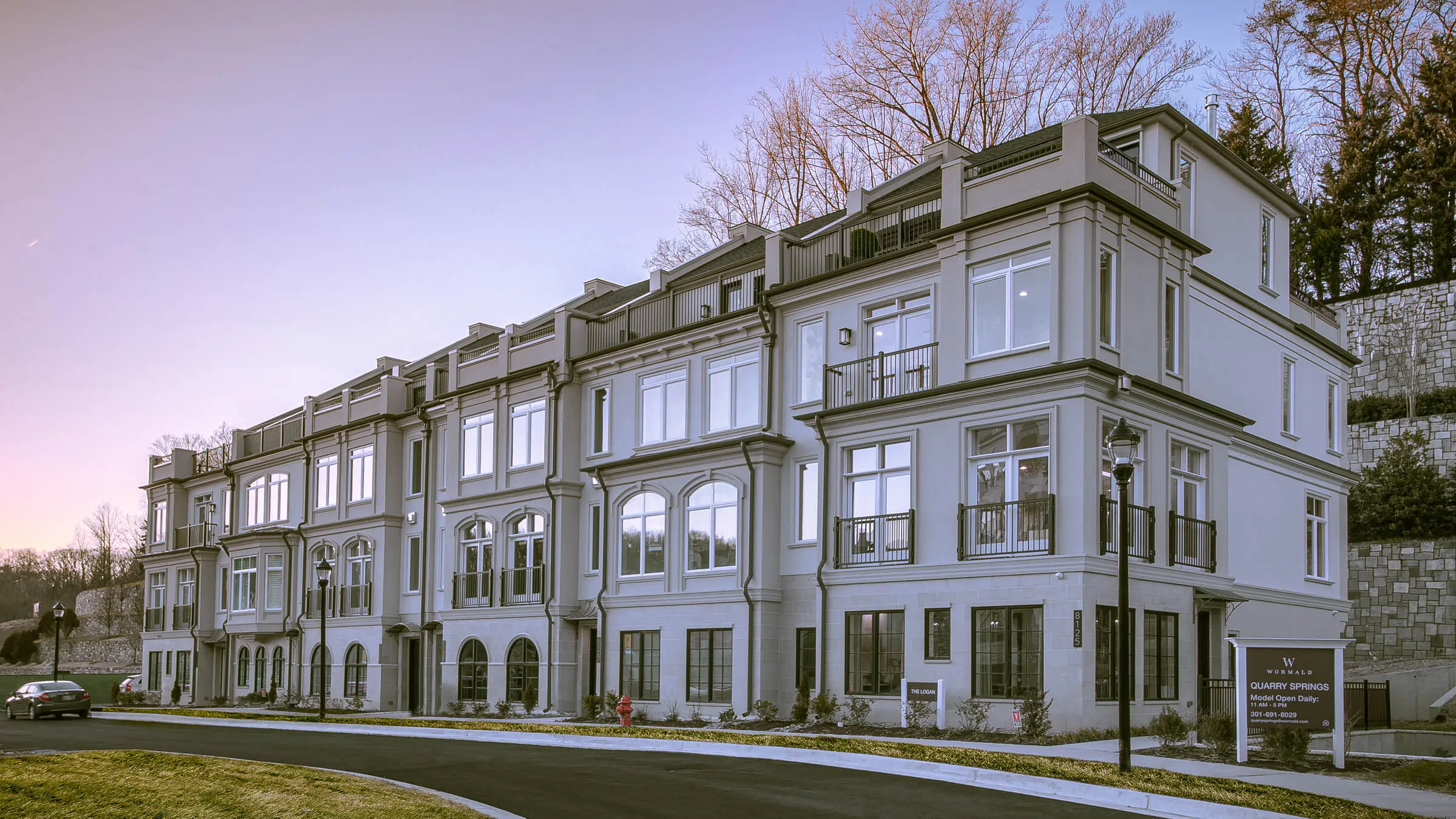
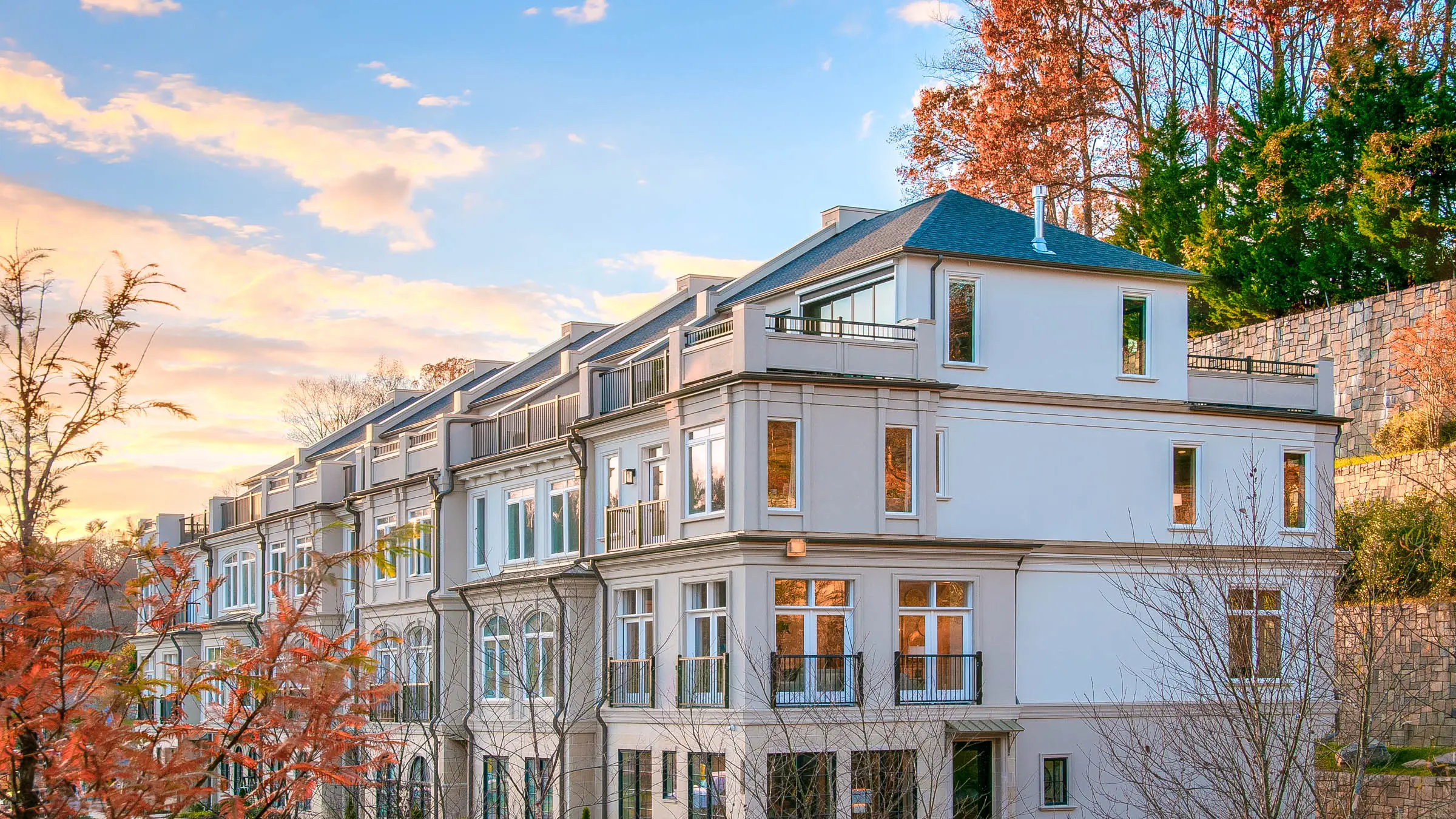
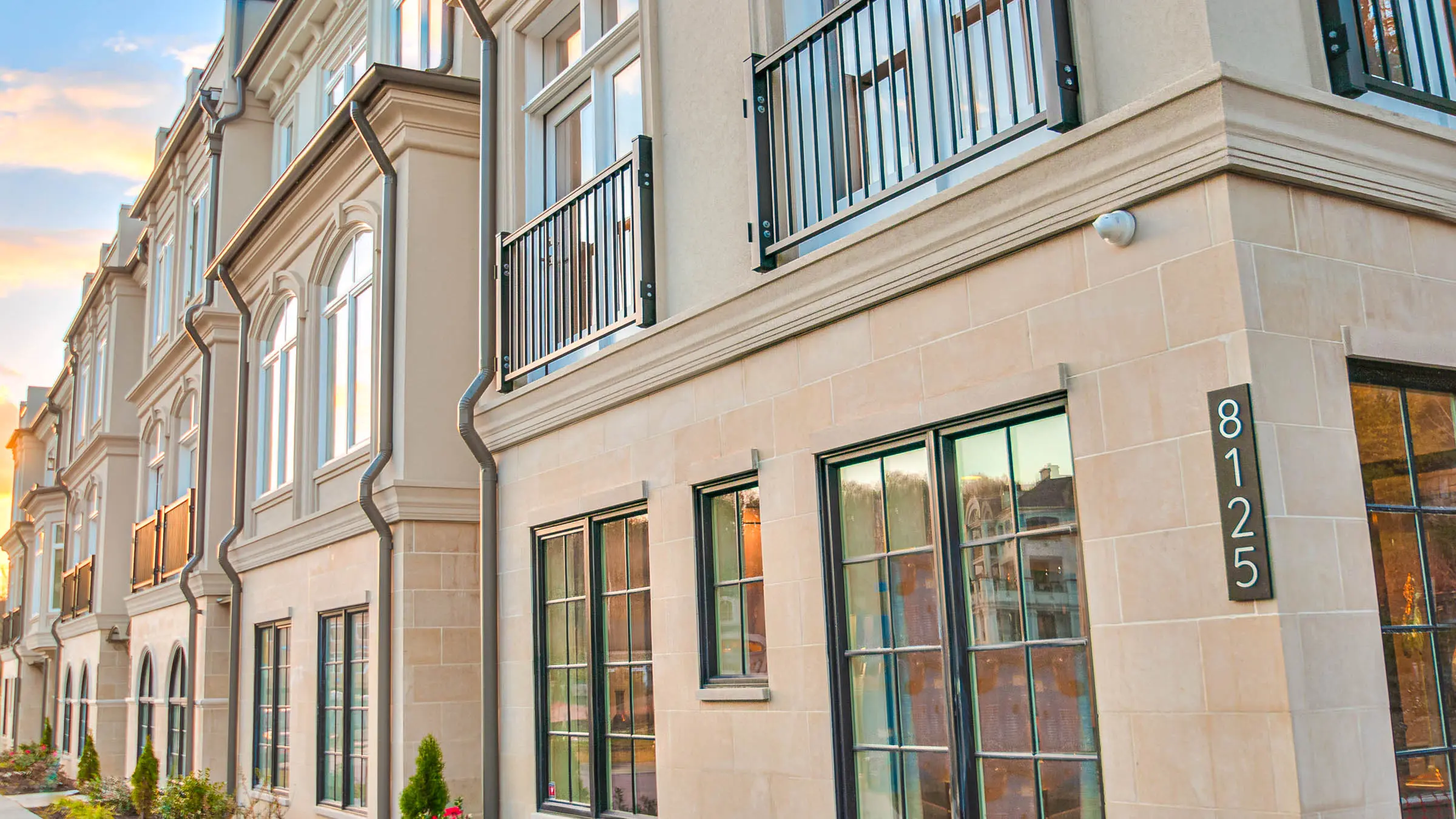
Quarry Springs represents a limited opportunity to live in an exquisite, unparalleled new home resort-style community in Bethesda, Maryland. The beautiful, established, resort-style community features a waterfall park with rock garden; 10,000 SF clubhouse; swimming pool and hot tub, 1,000 SF fitness center with yoga studio, steam rooms, saunas, and men's and women's locker rooms; 24-hour gated entry; #1 rated Montgomery County school district (Churchill HS); Wormald's "Lock & Go Lifestyle" Program; 4 miles proximity to Downtown Bethesda, 8 miles to Tyson’s Corner, 10 miles to Washington, D.C.; and 5 country clubs within a 3-mile radius: Congressional, Burning Tree, Bethesda, Kenwood, and Avenel. Quarry Springs has a limited offering of just 44 signature luxury townhomes with innovative architecture designed with European influences; modern, open floor plans; elevators, gourmet island kitchens with walk-in pantries; and a spectacular one of a kind four season rooftop experience!
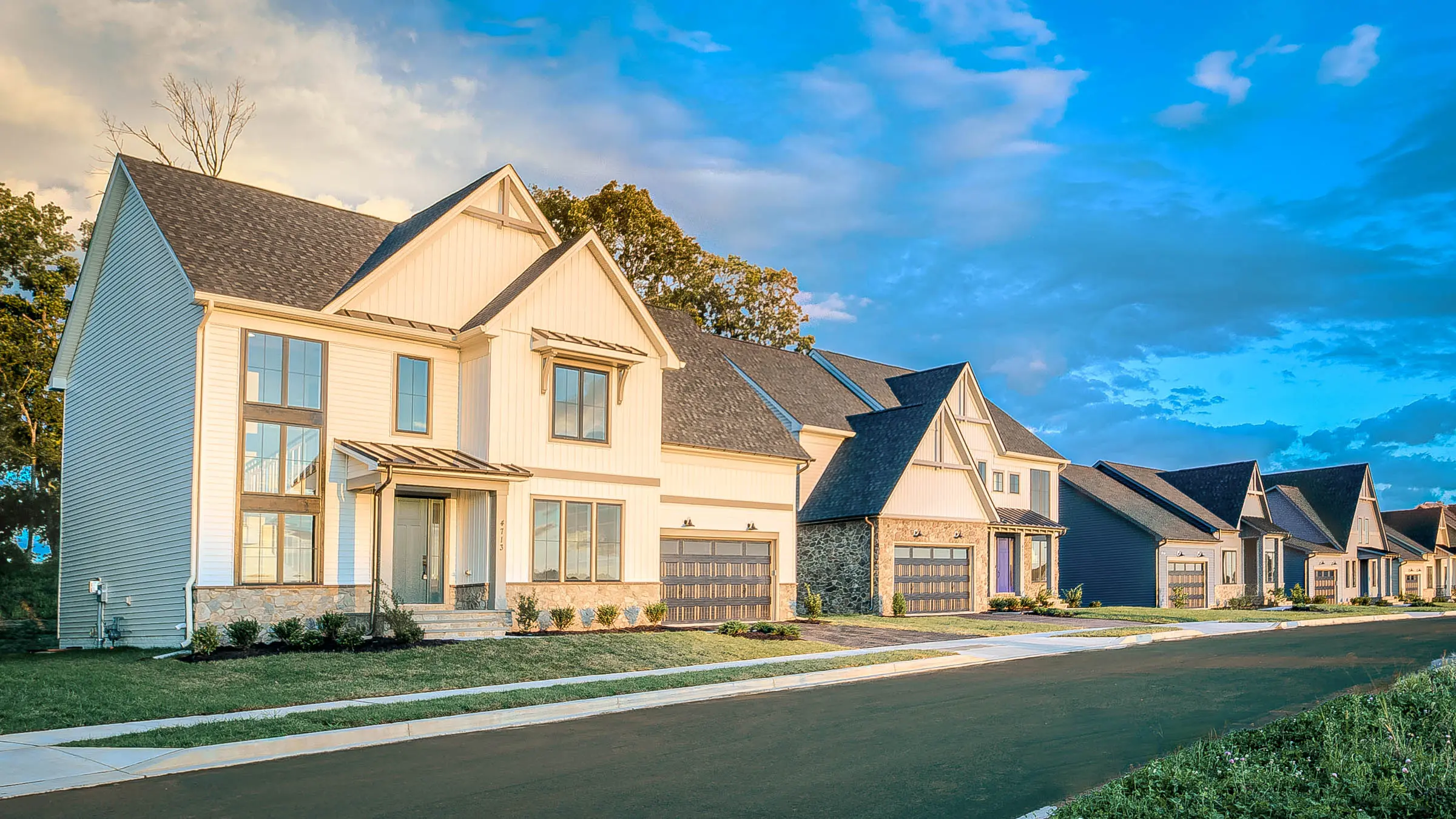
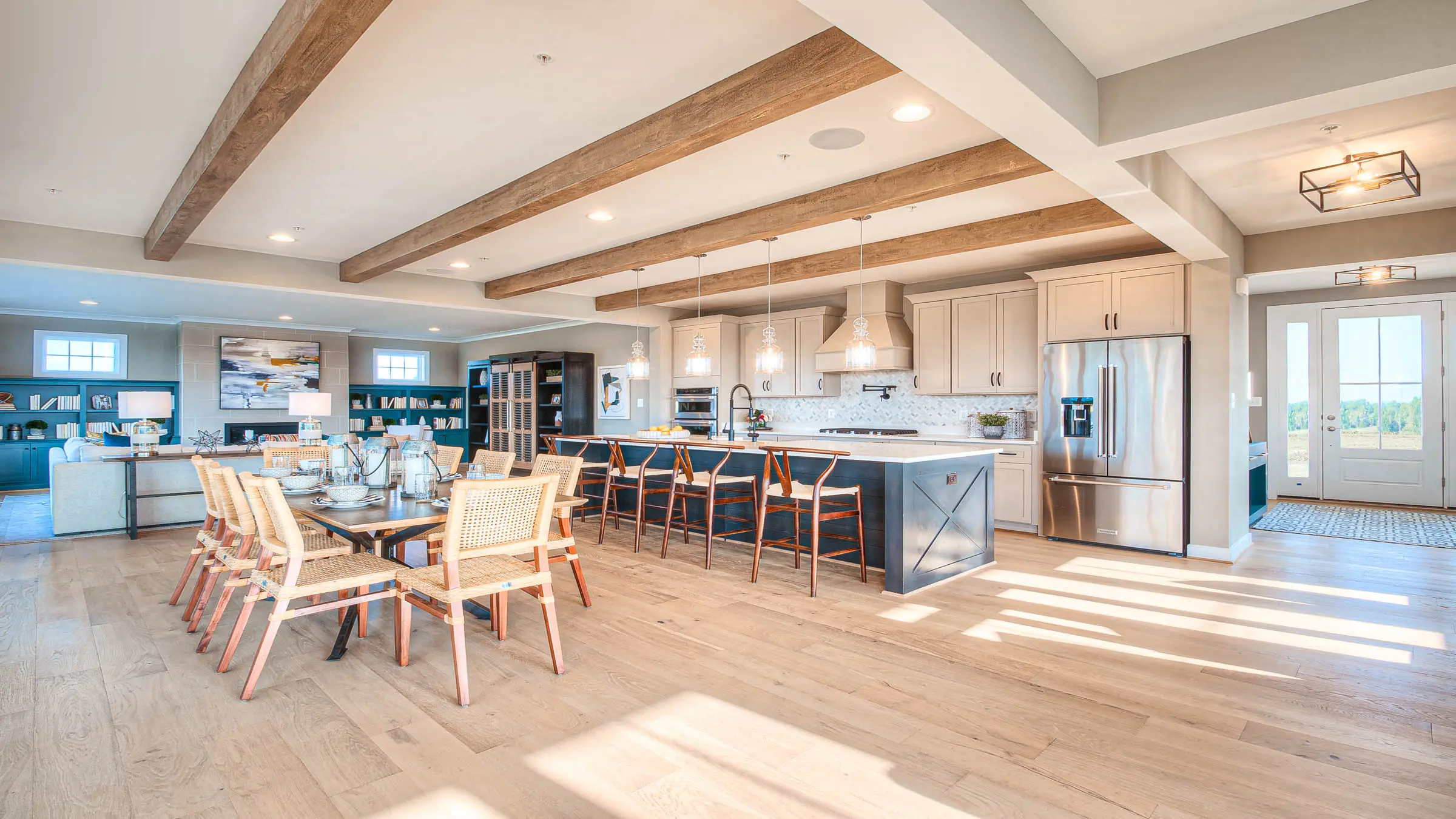
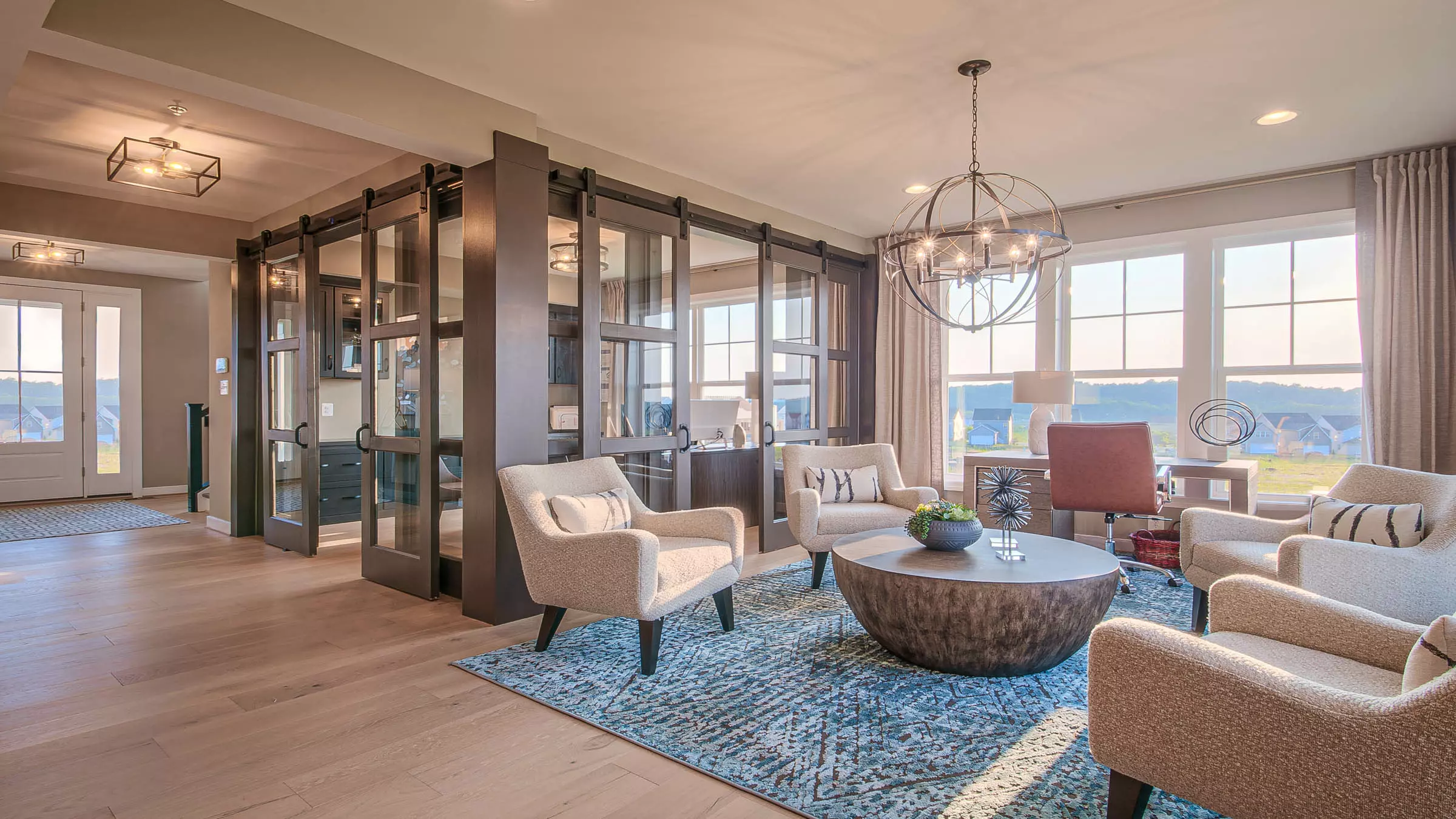
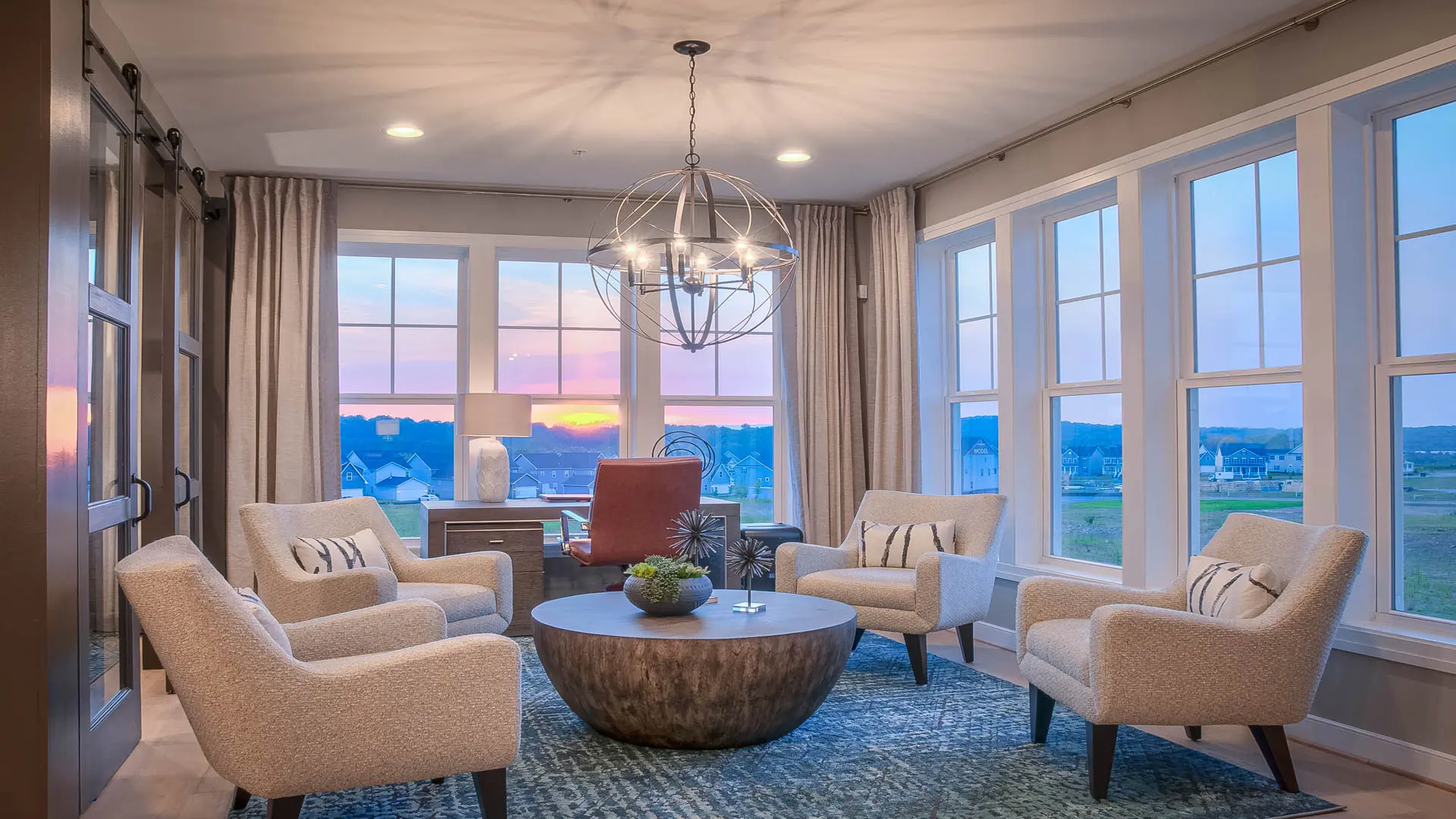
Wormald's all new, single-family home designs enter Frederick County's best selling planned community of Landsdale, bringing a fresh take on the extremely popular farmhouse trend. Signature open floor plans, natural stone, metal roofs, black-framed windows, light woods, beamed ceilings, barn doors, covered porches, patios, with the perfect spaces for multi-generational living.
The community boasts a 6,000 square foot American Craftsman-style clubhouse with an eight-lane Olympic-sized pool, zero entry leisure pool, tennis courts, sport court, trails, outdoor amphitheatre, playground, and tot lot. Terrific shopping just minutes up the road at The Villages at Urbana where you'll find a Giant grocery store, restaurants, and plentiful services. Golfers will love the proximity to Whiskey Creek Golf Club.
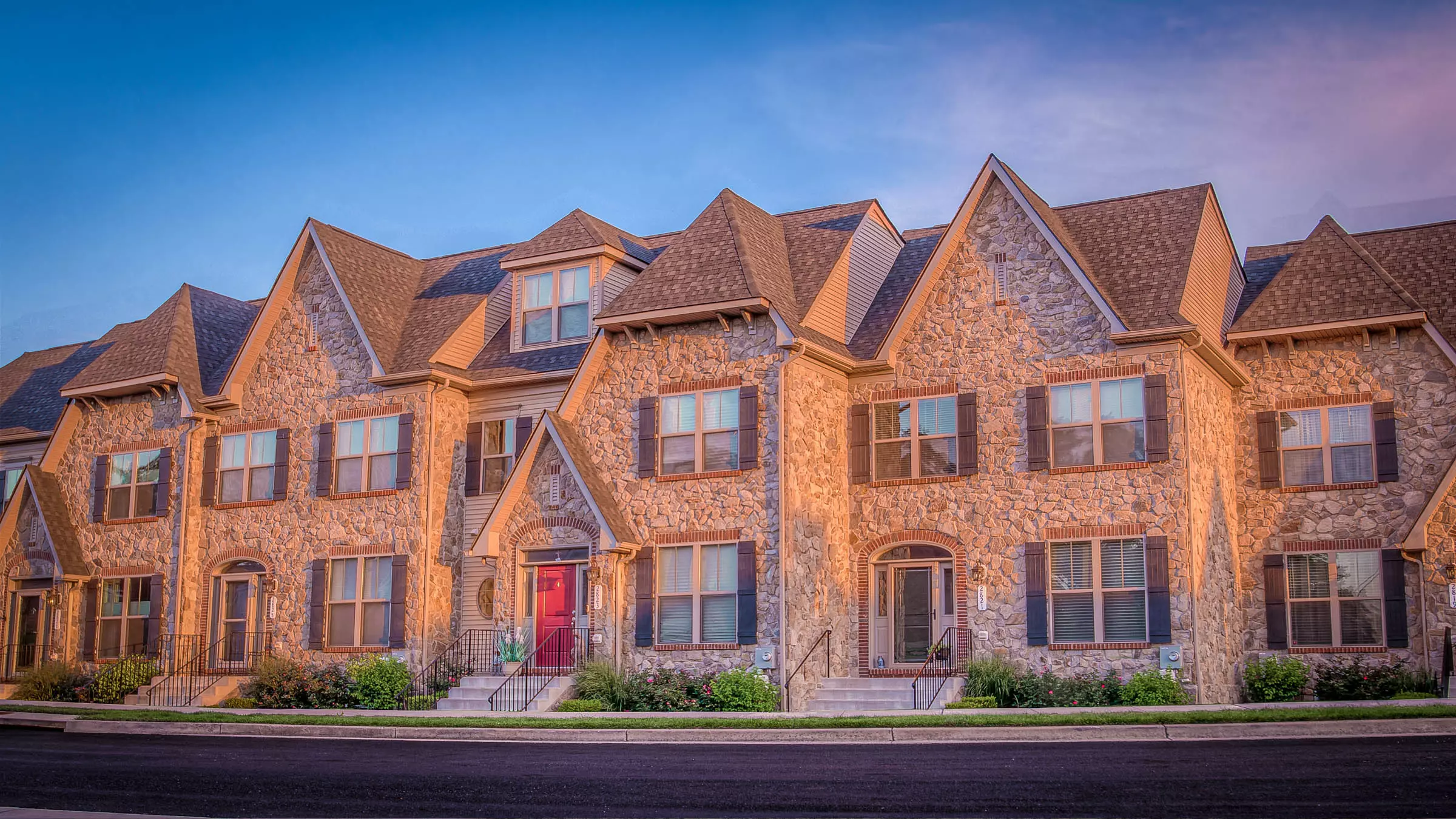
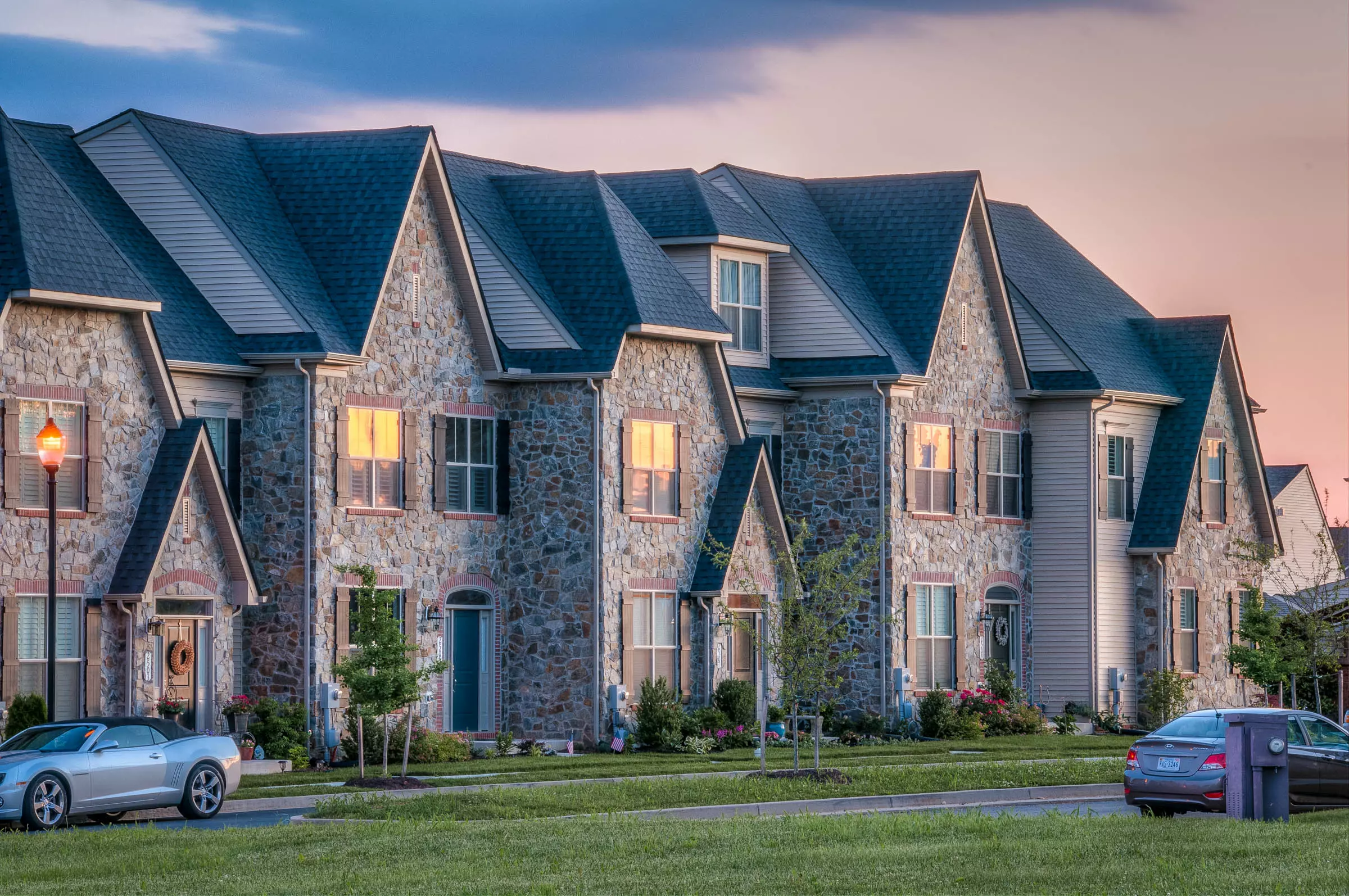
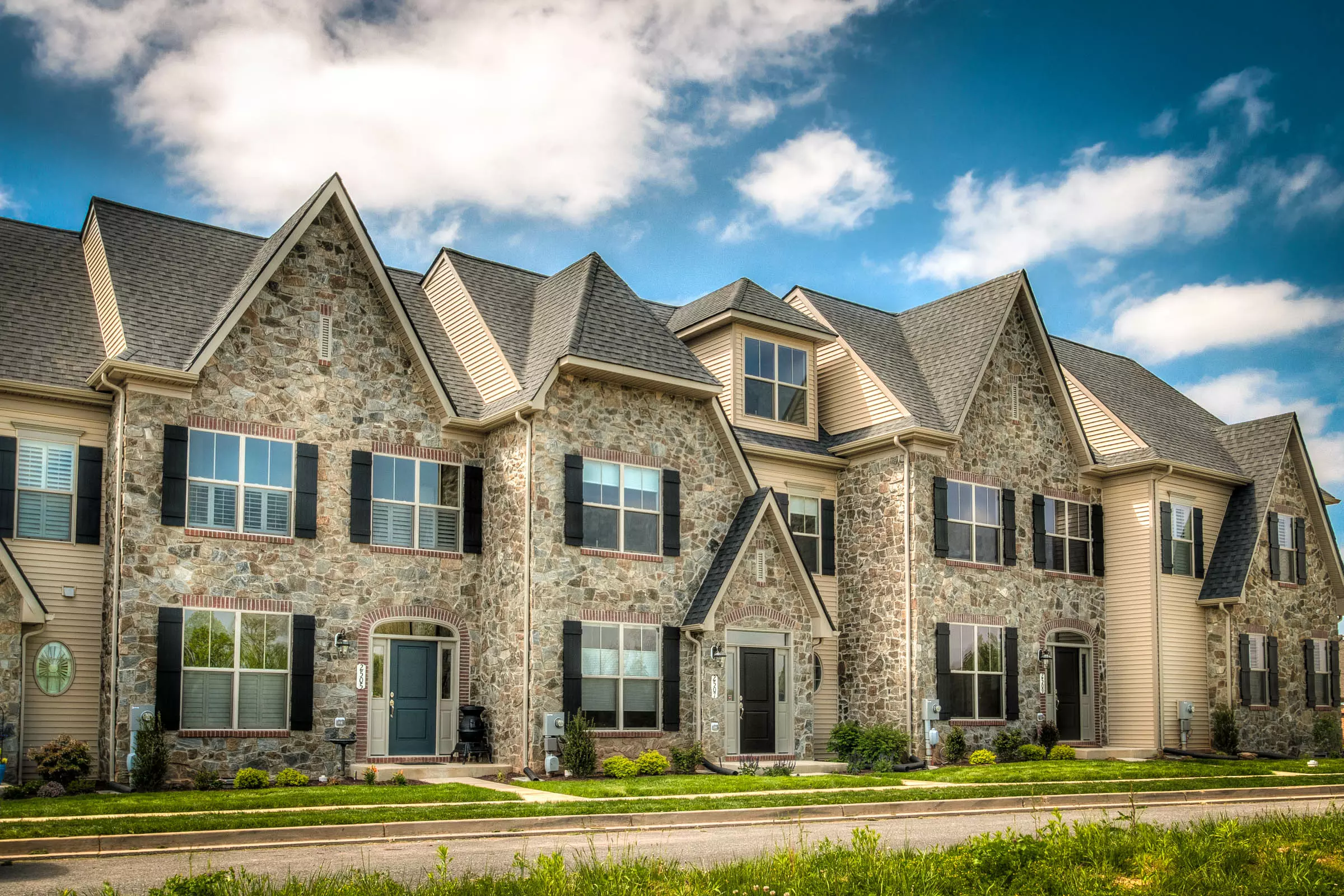
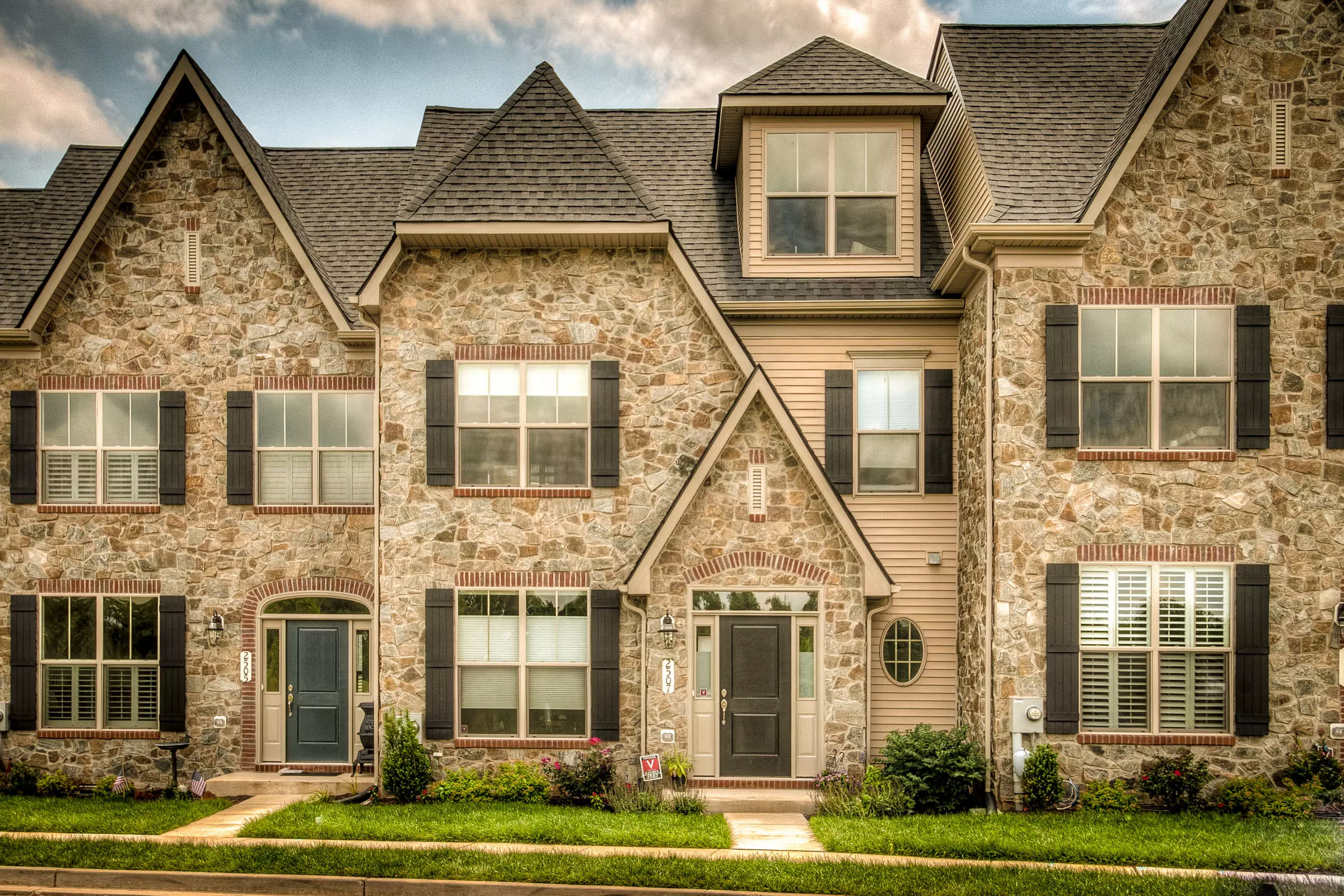
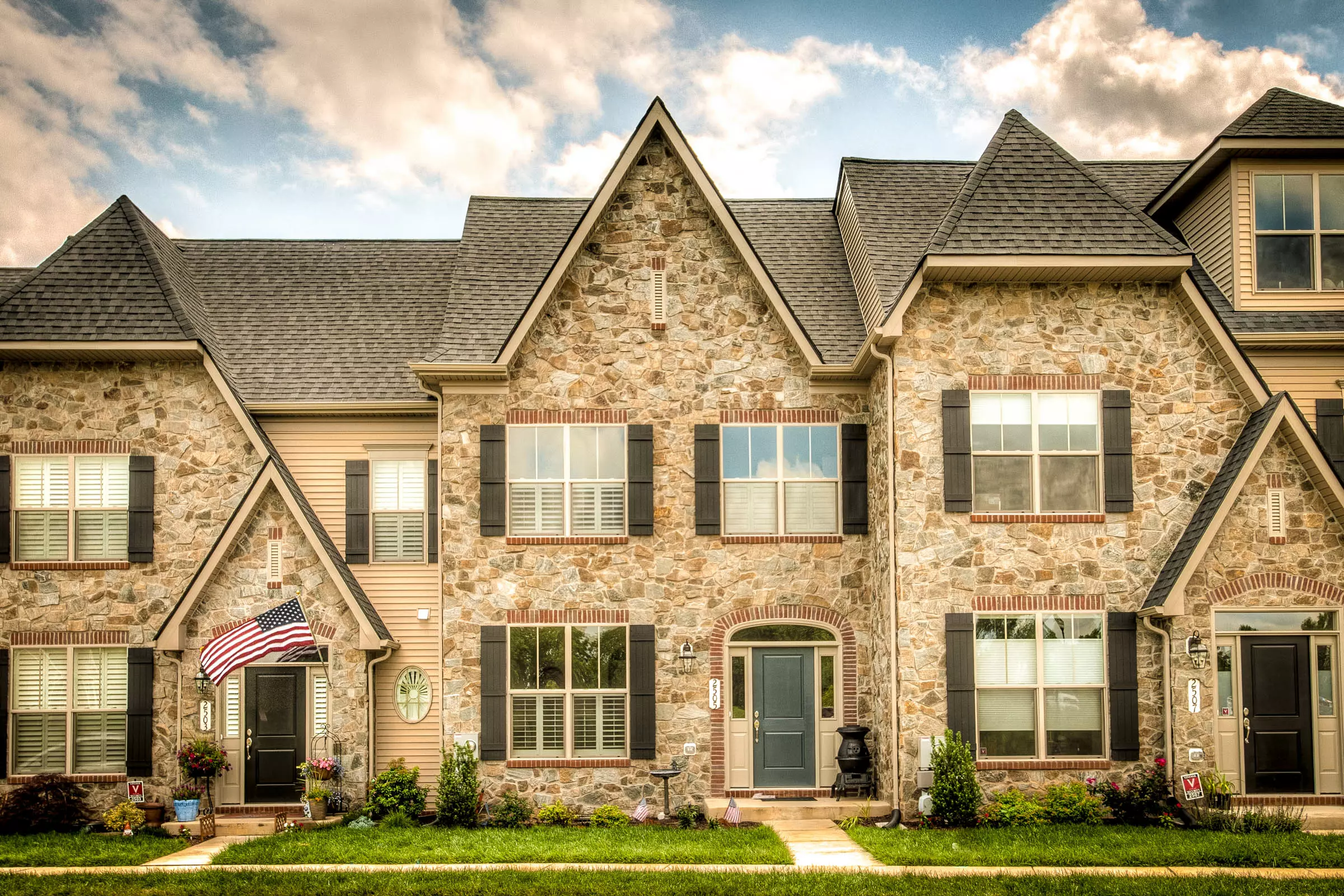
The Grand Chateau Residences are stunning new townhomes in the community of at Worman's Mill in Frederick, Maryland. Our signature collection of new boutique Grand Chateau Residences that are specifically designed to promote a maintenance-free lifestyle for sophisticated close-in city living. These homes come with a two-car garage and offer more finished rooms than ever before with up to 4 finished levels (per plan and all with included open lofts). Walk to the Worman’s Mill Village Center restaurants, corner store, salon services, shopping, and free live music at the gazebo bandstand during weekends in the summer. Located between the Washington and Baltimore corridors.
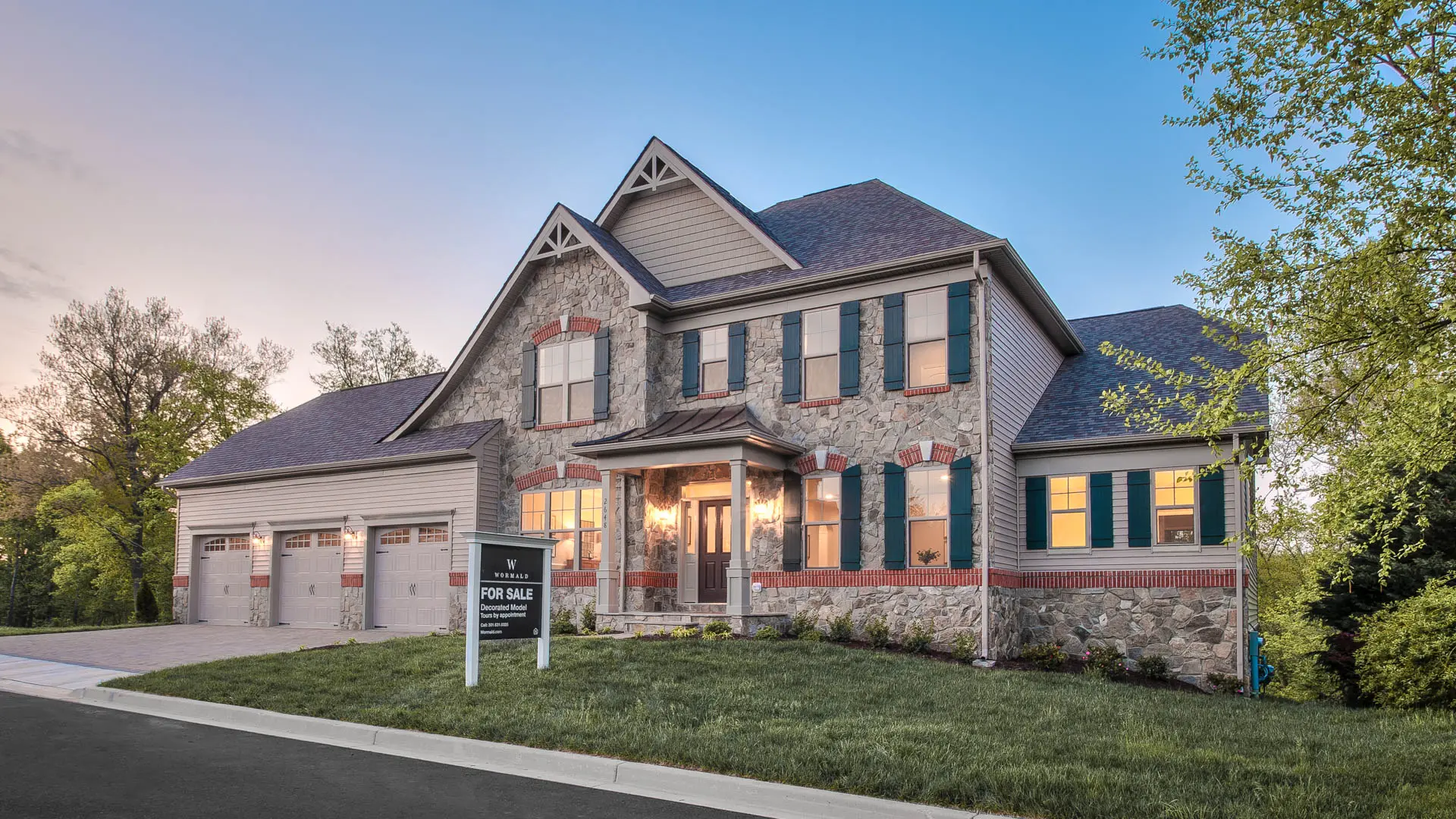
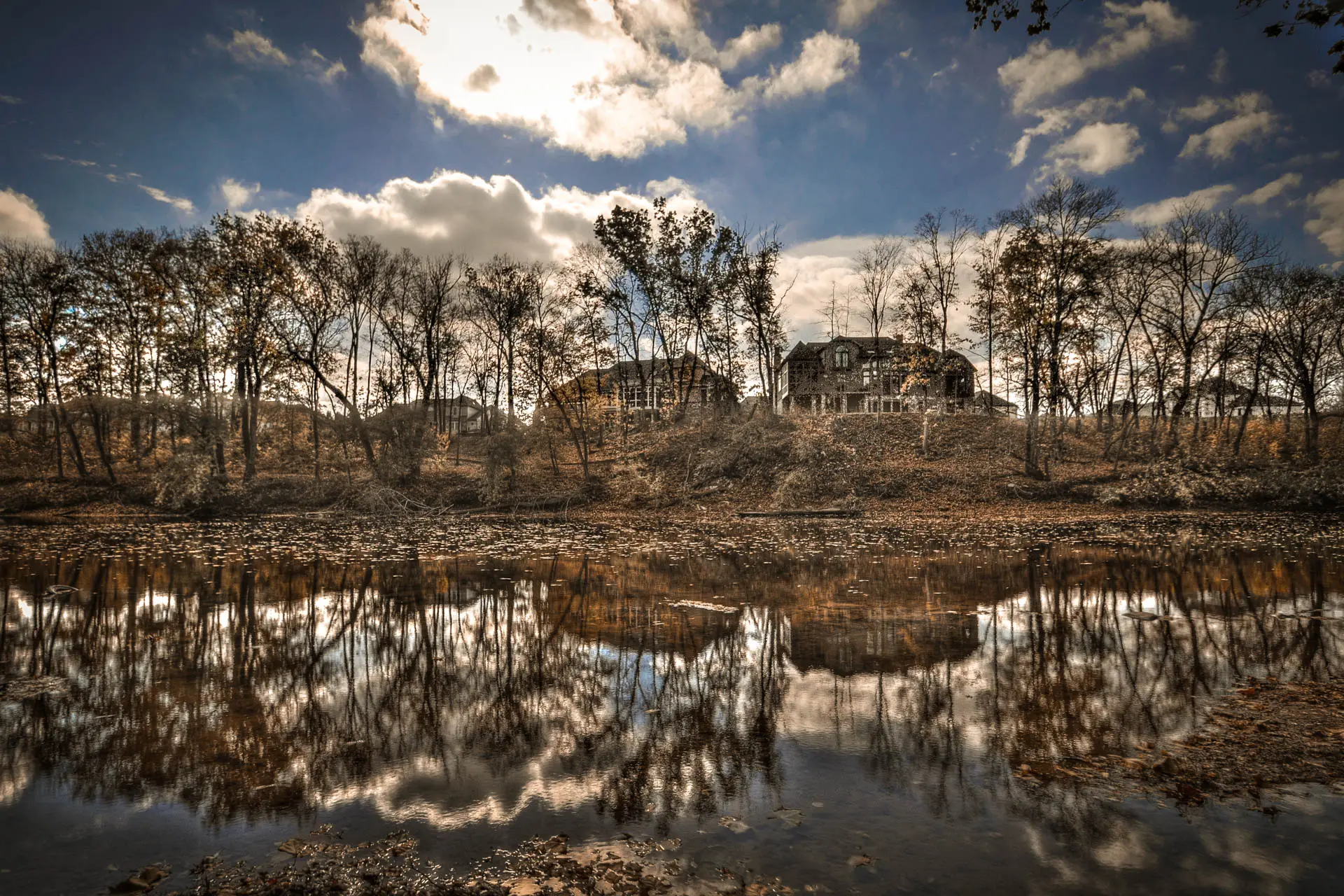
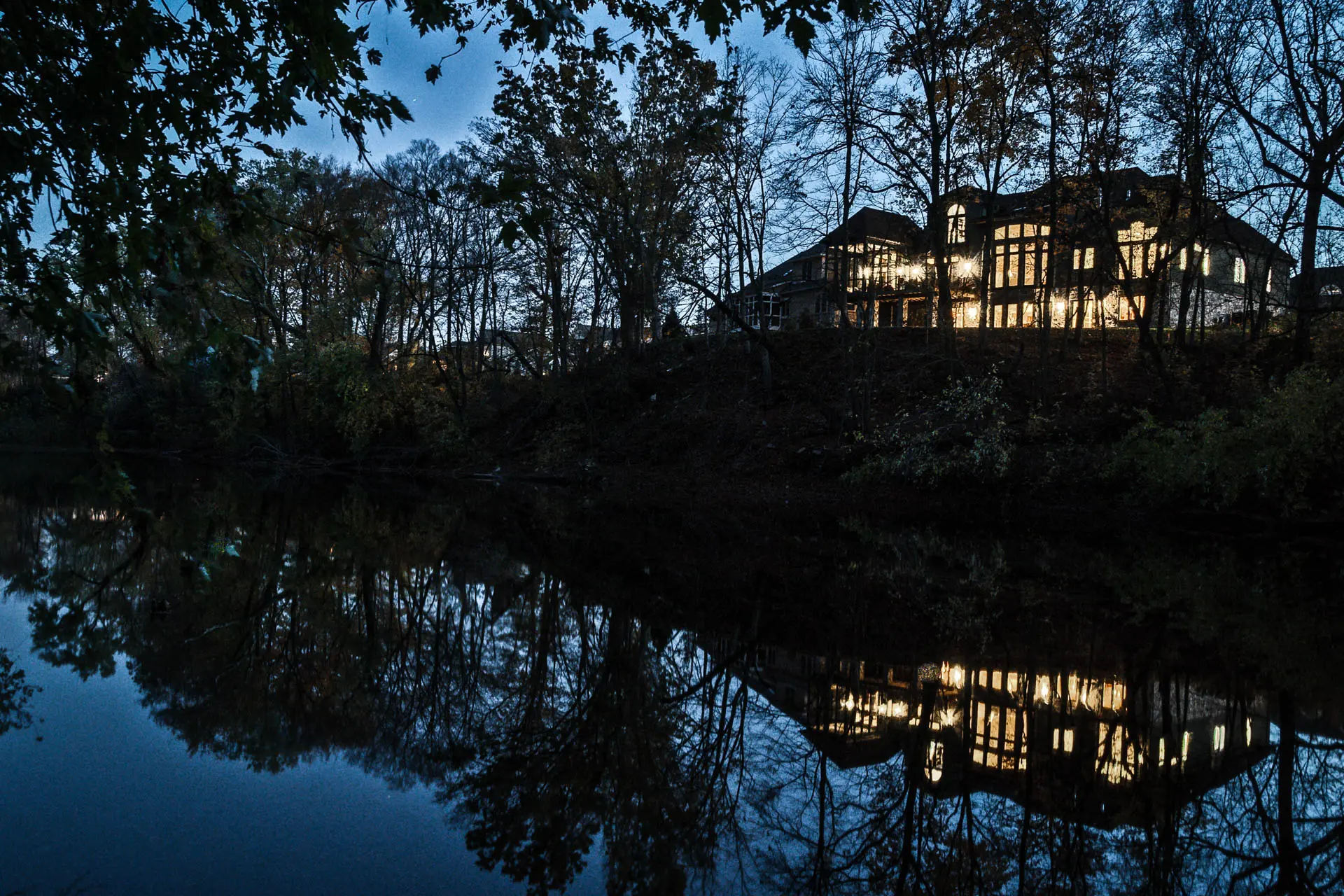
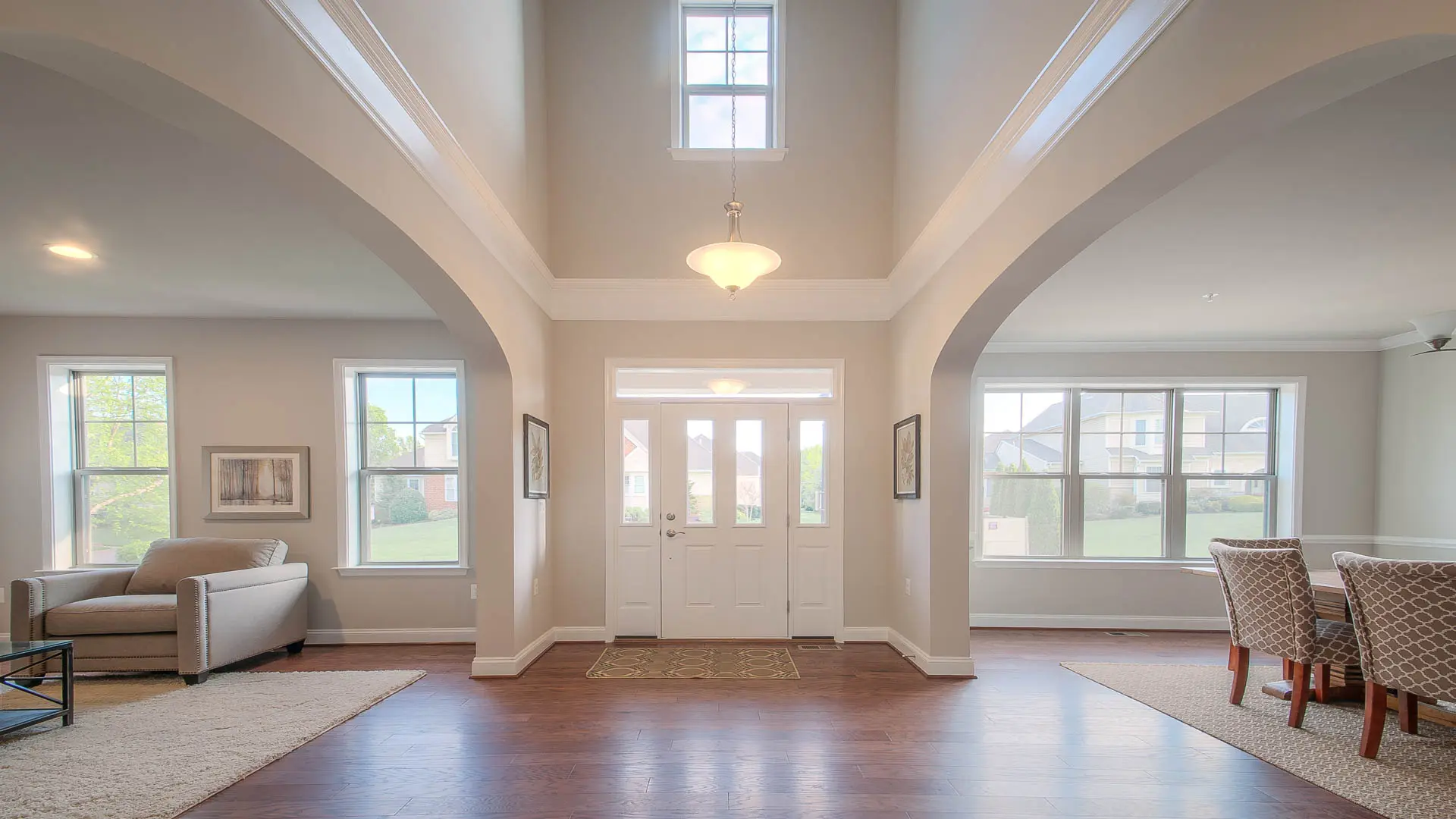
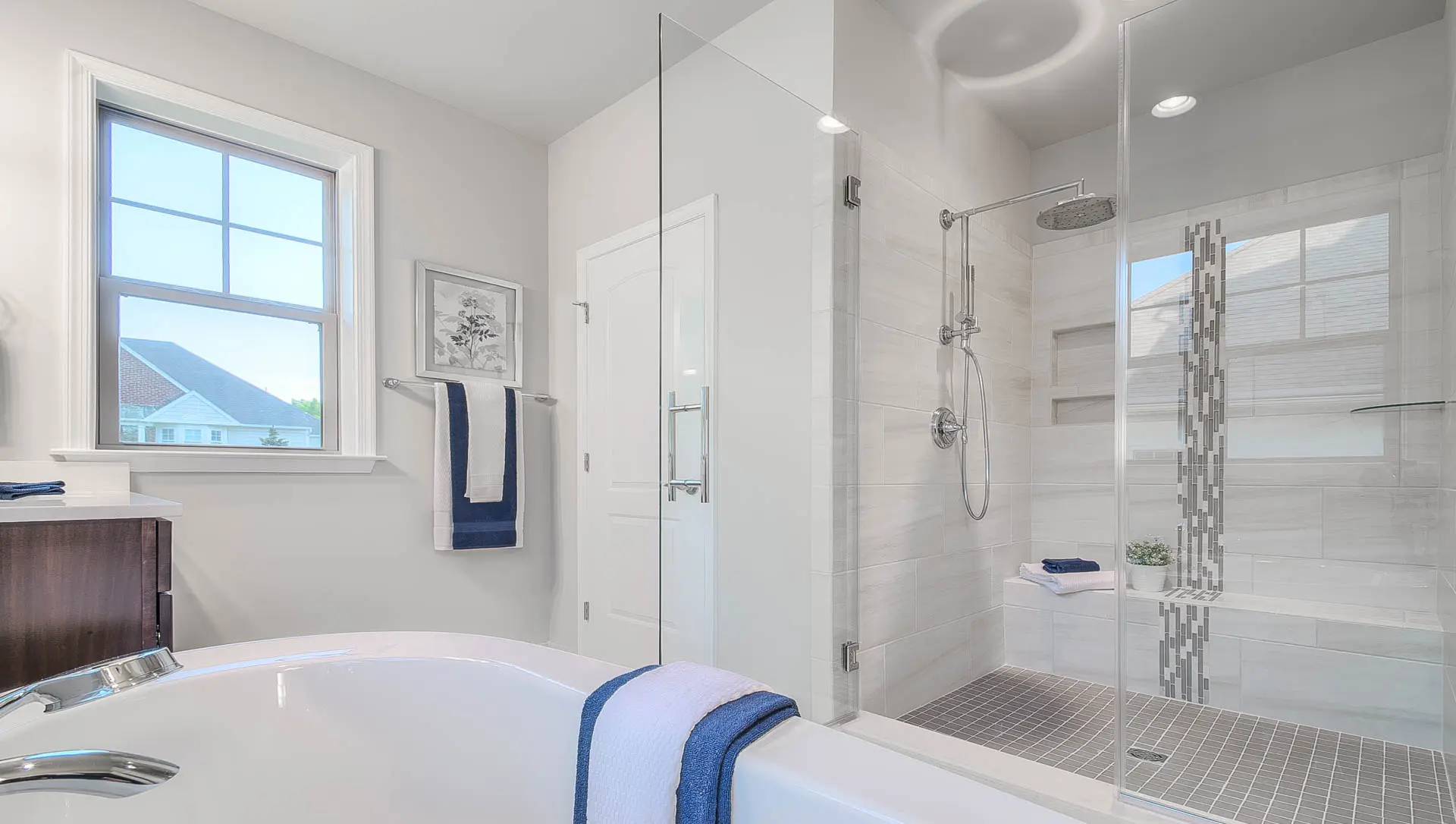
Stunning wooded and seasonal views of the scenic Monocacy River. These single-family homes are located in the award-winning community of Worman’s Mill. Wormald’s Lock & Go Lifestyle offers lawn maintenance and snow removal, which gives you freedom to relax and enjoy your surroundings. The community of Worman’s Mill features upscale amenities such as swimming pools, tennis courts, a clubhouse, walking and bike trails, parks, and the growing Village Square retail center.
Don’t miss the final opportunity to see this special homesite backing to the river!
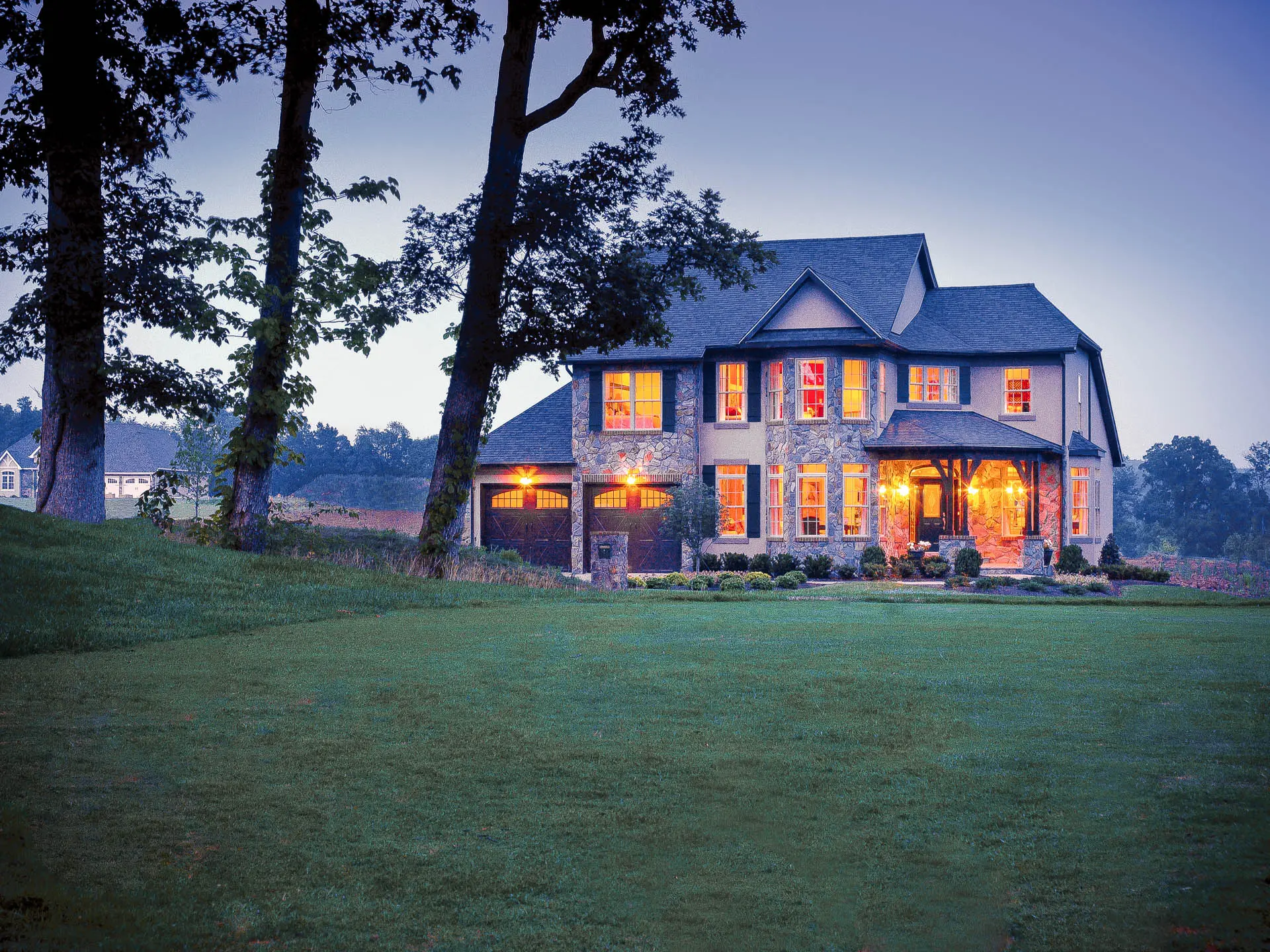
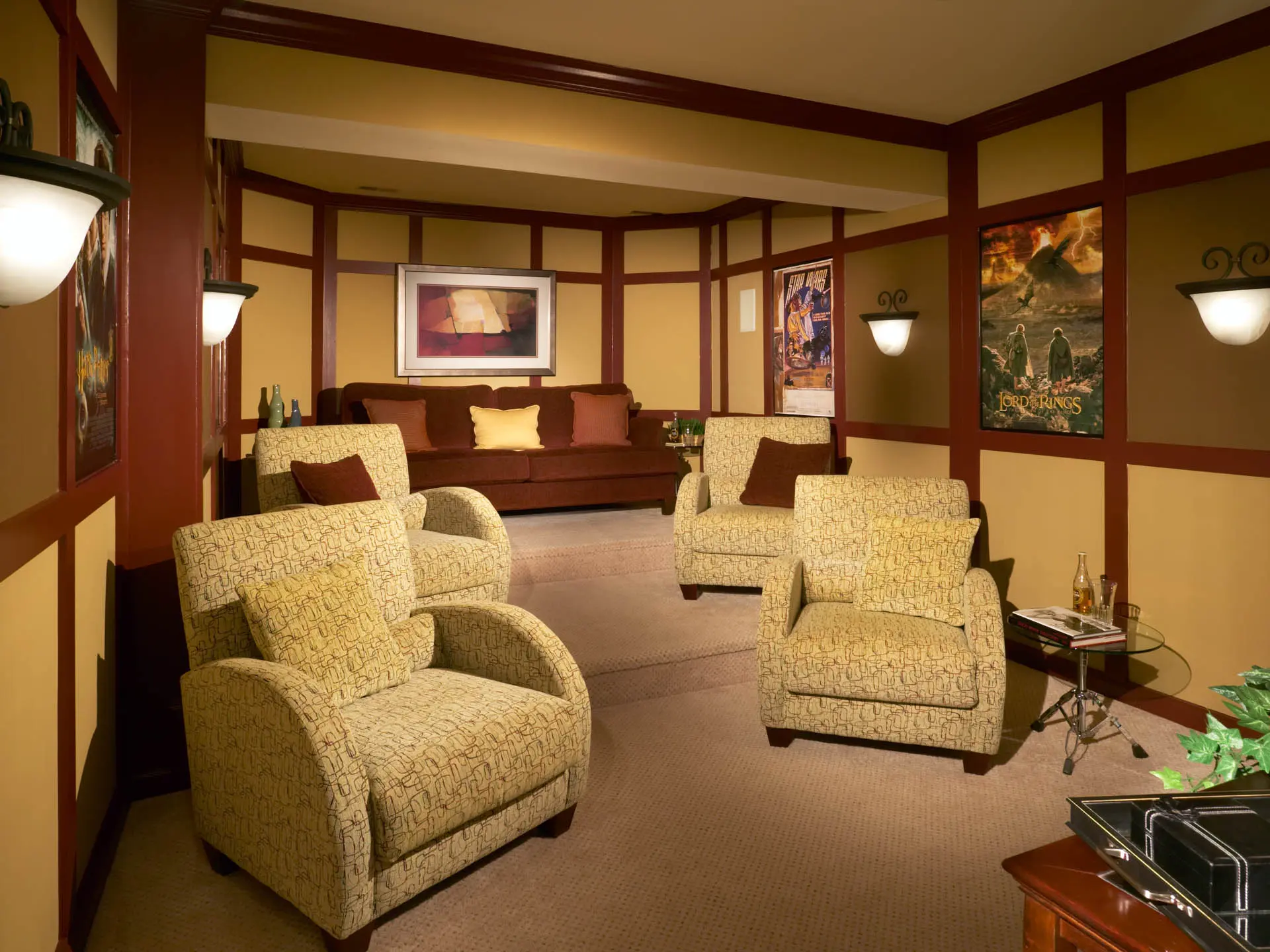
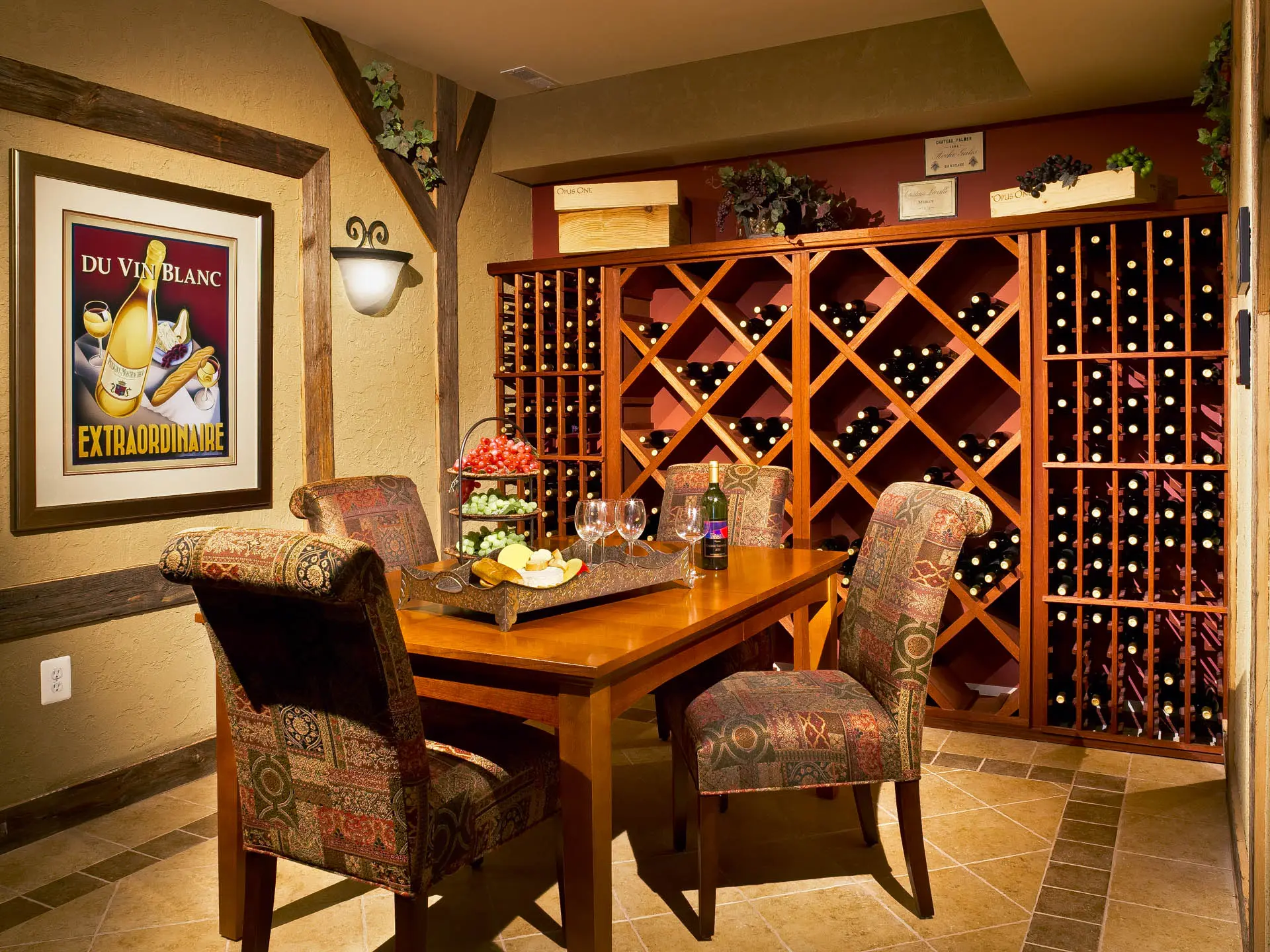
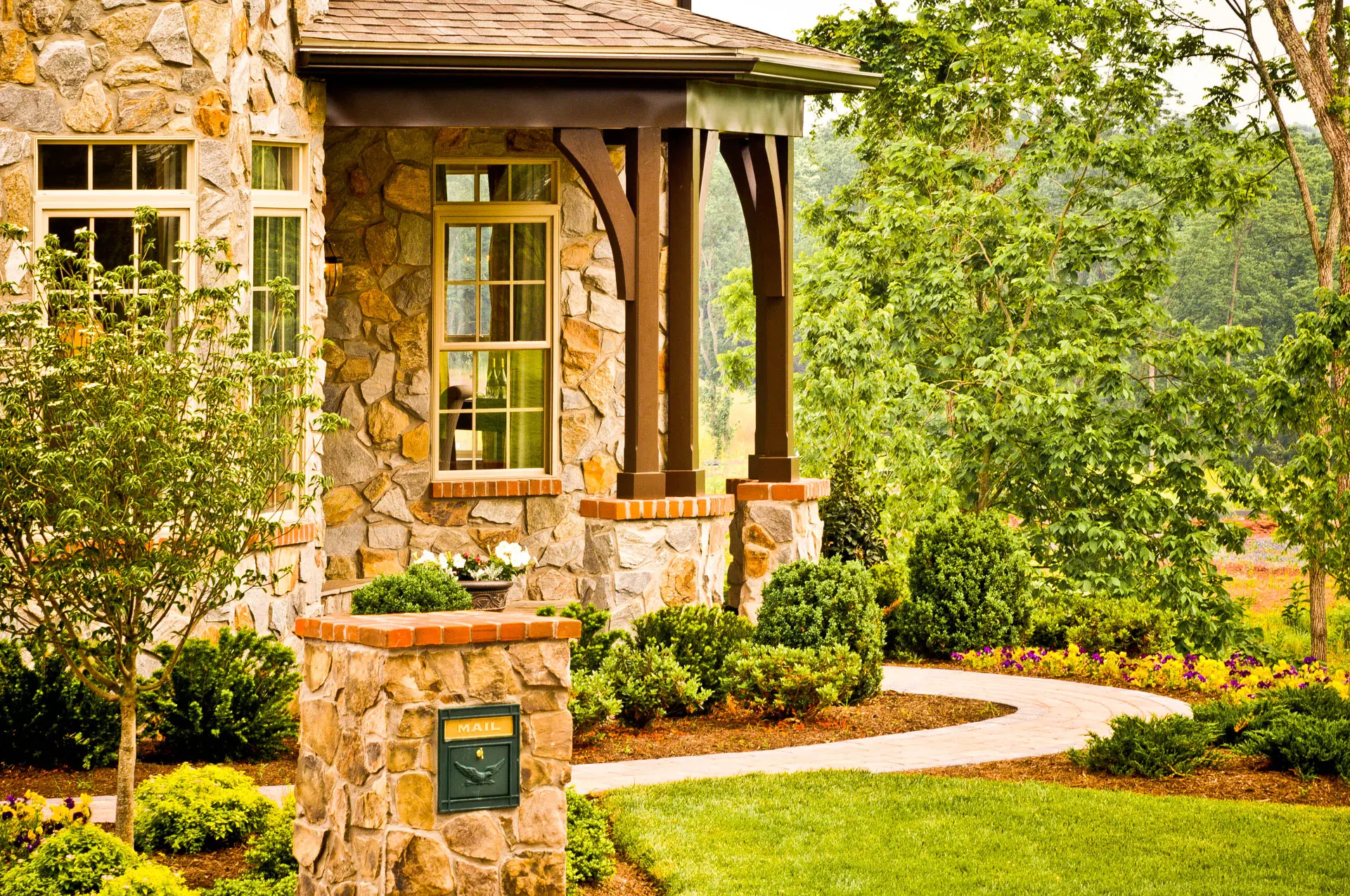
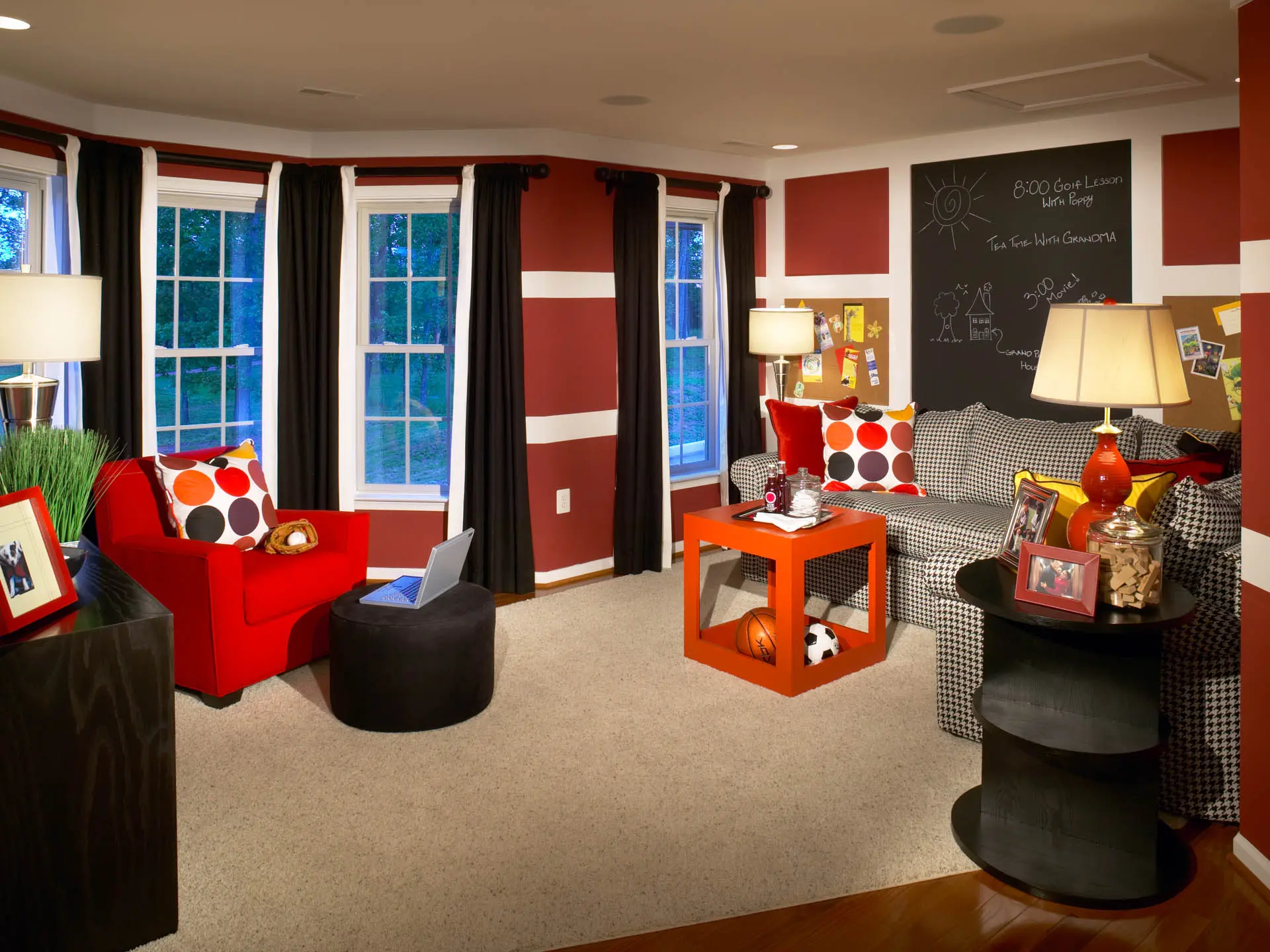
A resort-style oasis of elegant homes nestled around a four and a half star golf course and 10 lakes, featuring first floor owner’s suites, two-car garages, stone, brick, and stucco elevations, gourmet kitchens, one-level living, the Wormald Lock & Go Lifestyle Yard Maintenance Program (no more mowing, no more raking, no more shoveling), two clubhouses, swimming, fitness, and trails.
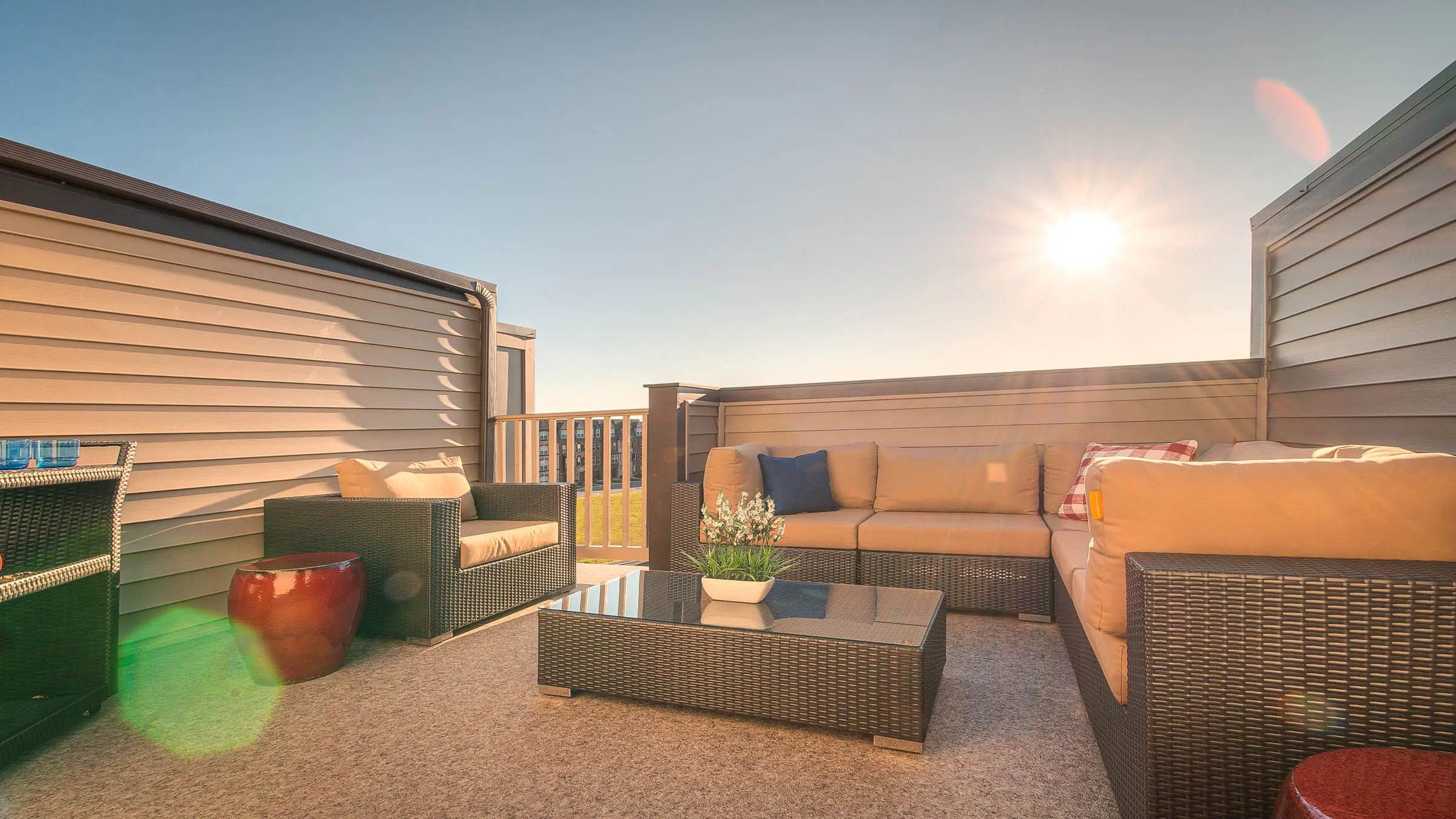
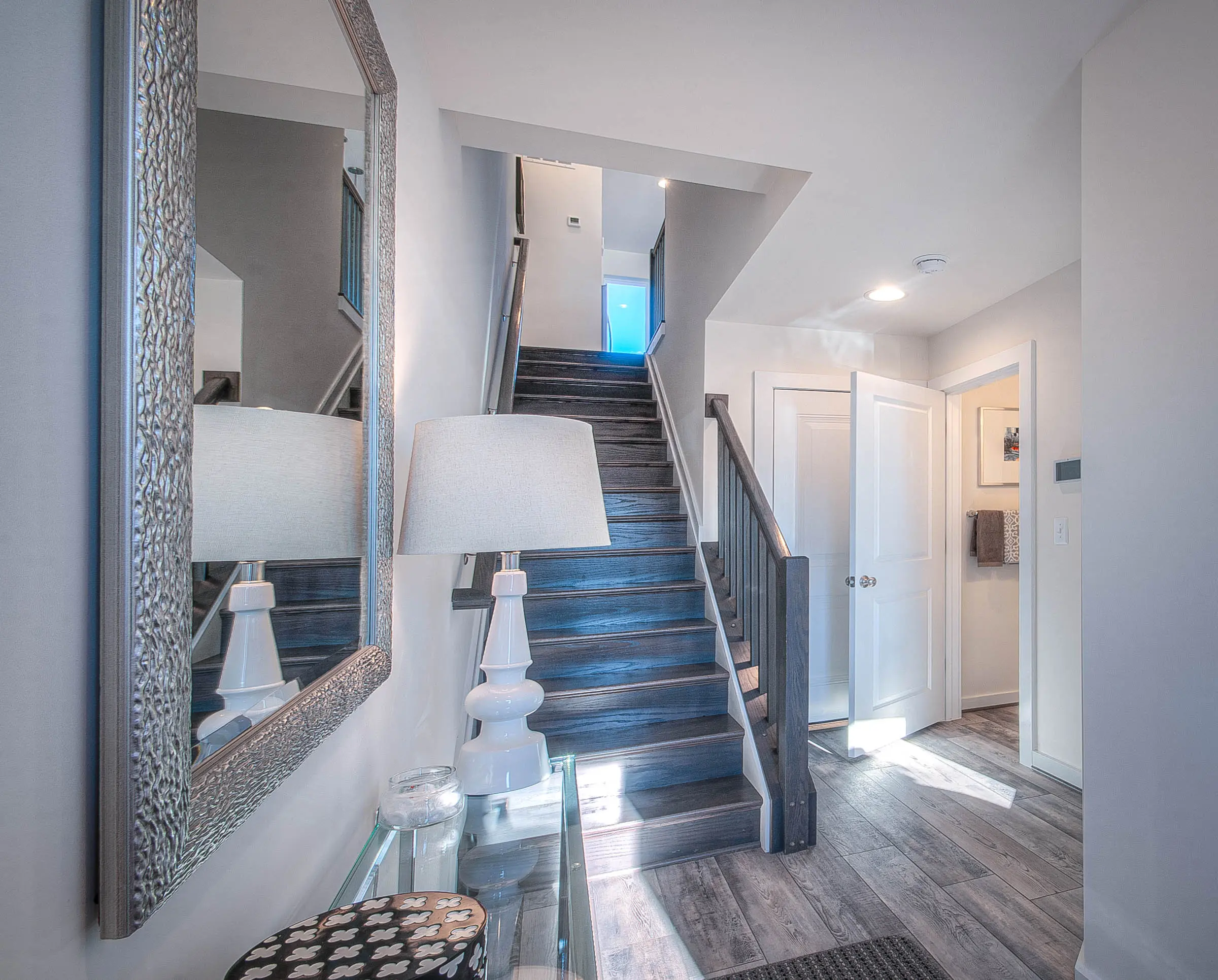
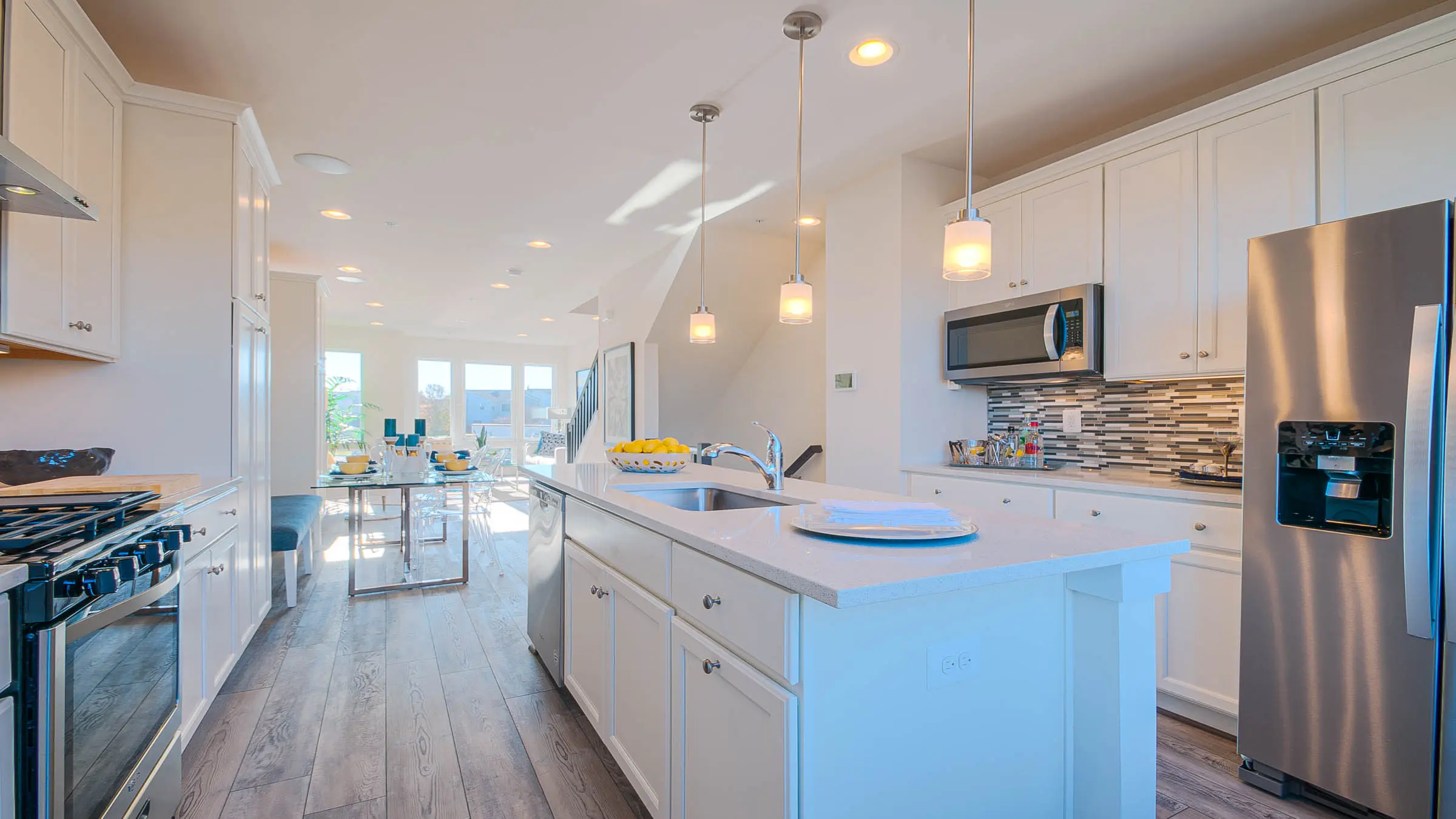
Wormald Homes at River Place is an exciting contemporary community in Frederick, Maryland. The sleek, modern design of River Place will impress even the most seasoned home buyer. Enjoy truly unique rooftop living. Our 4-level city town-homes feature a contemporary design, dramatic, oversized windows for light-filled rooms, and two-story box window elevations. It’s easy to understand why Wormald Homes has received numerous awards for amazing and upscale designs at affordable prices. River Place is conveniently located close to shops, restaurants, schools, and highways.
Enjoy a Lock and Go Lifestyle – no more mowing, raking, or shoveling!
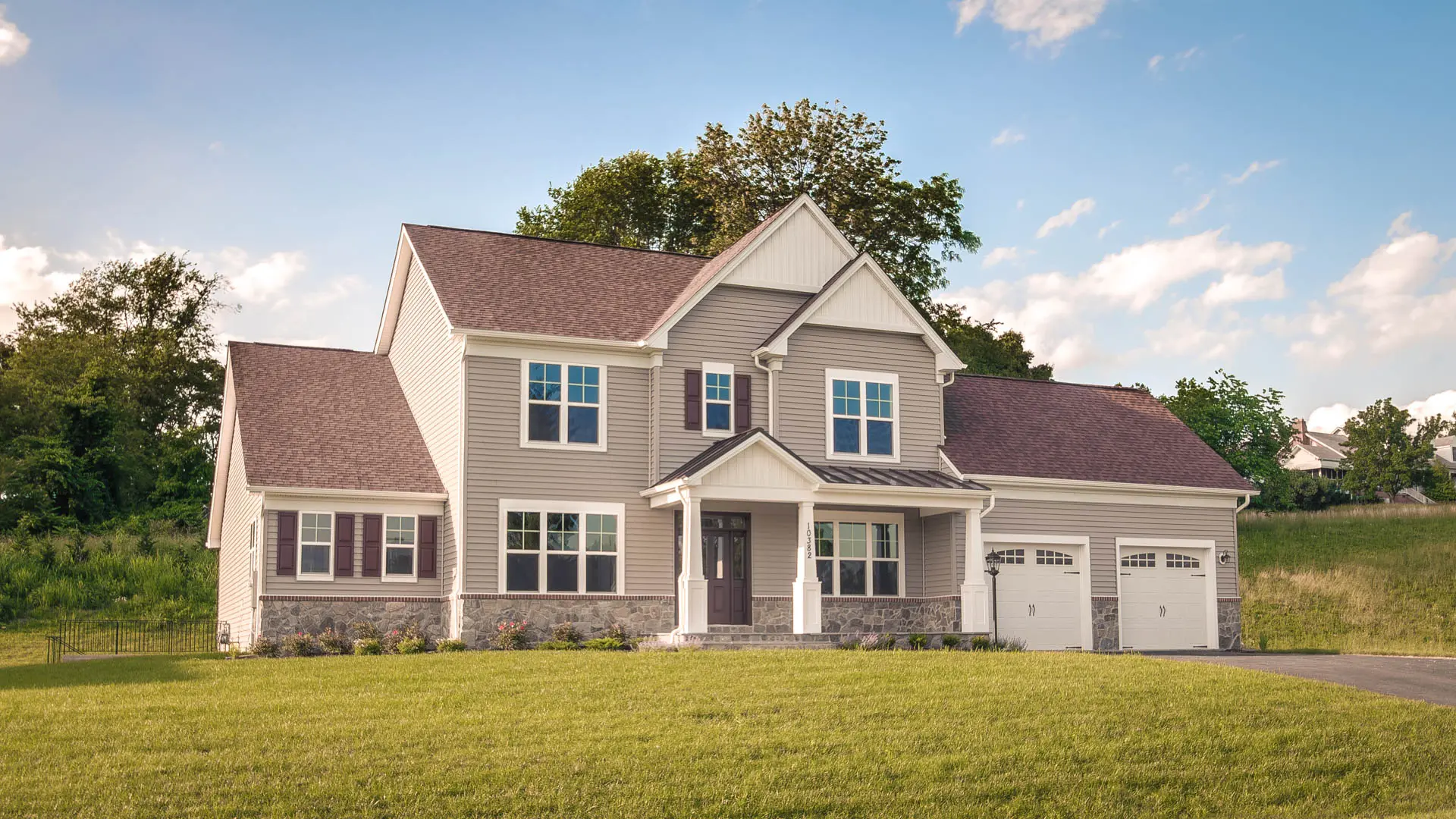
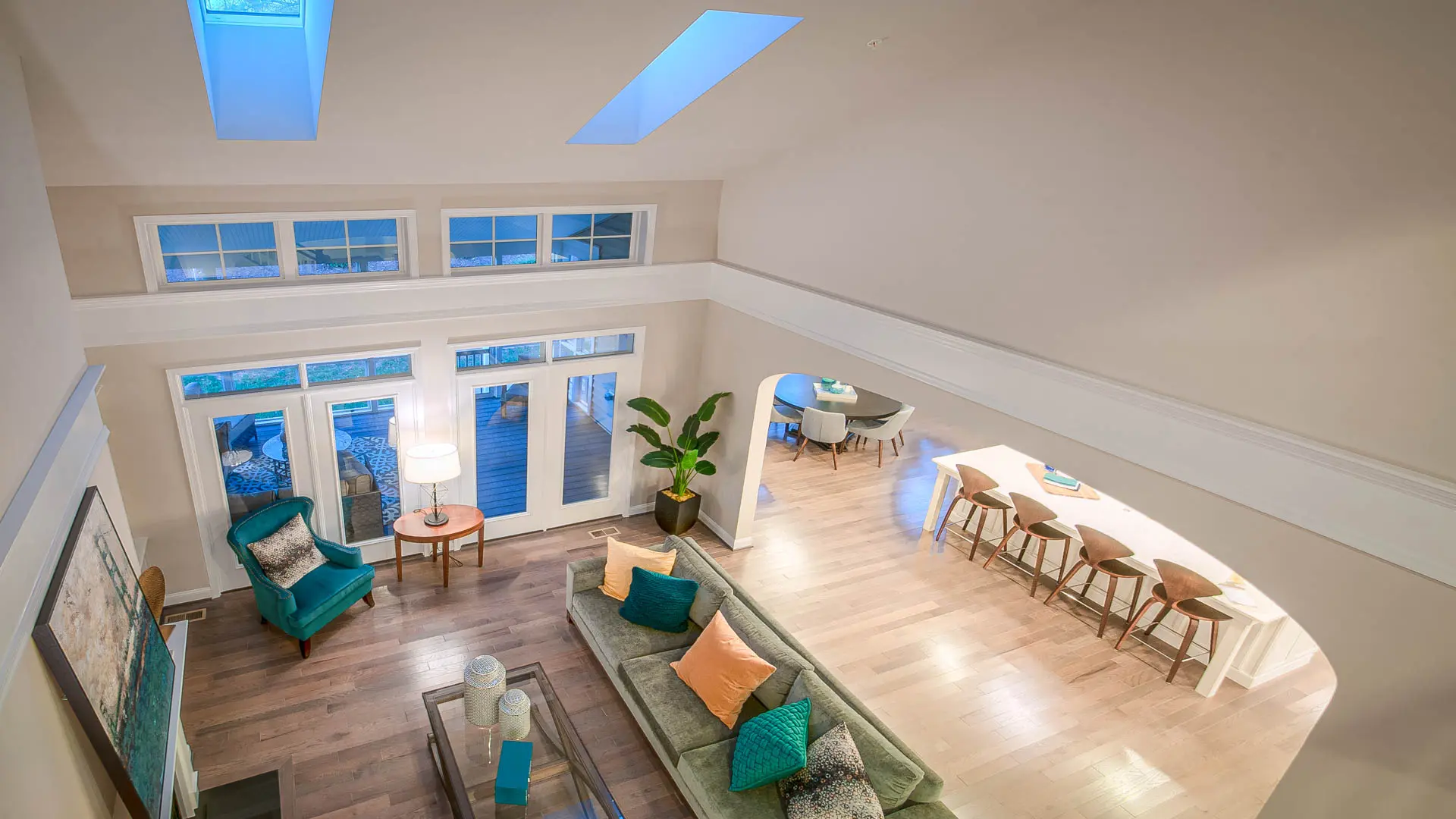
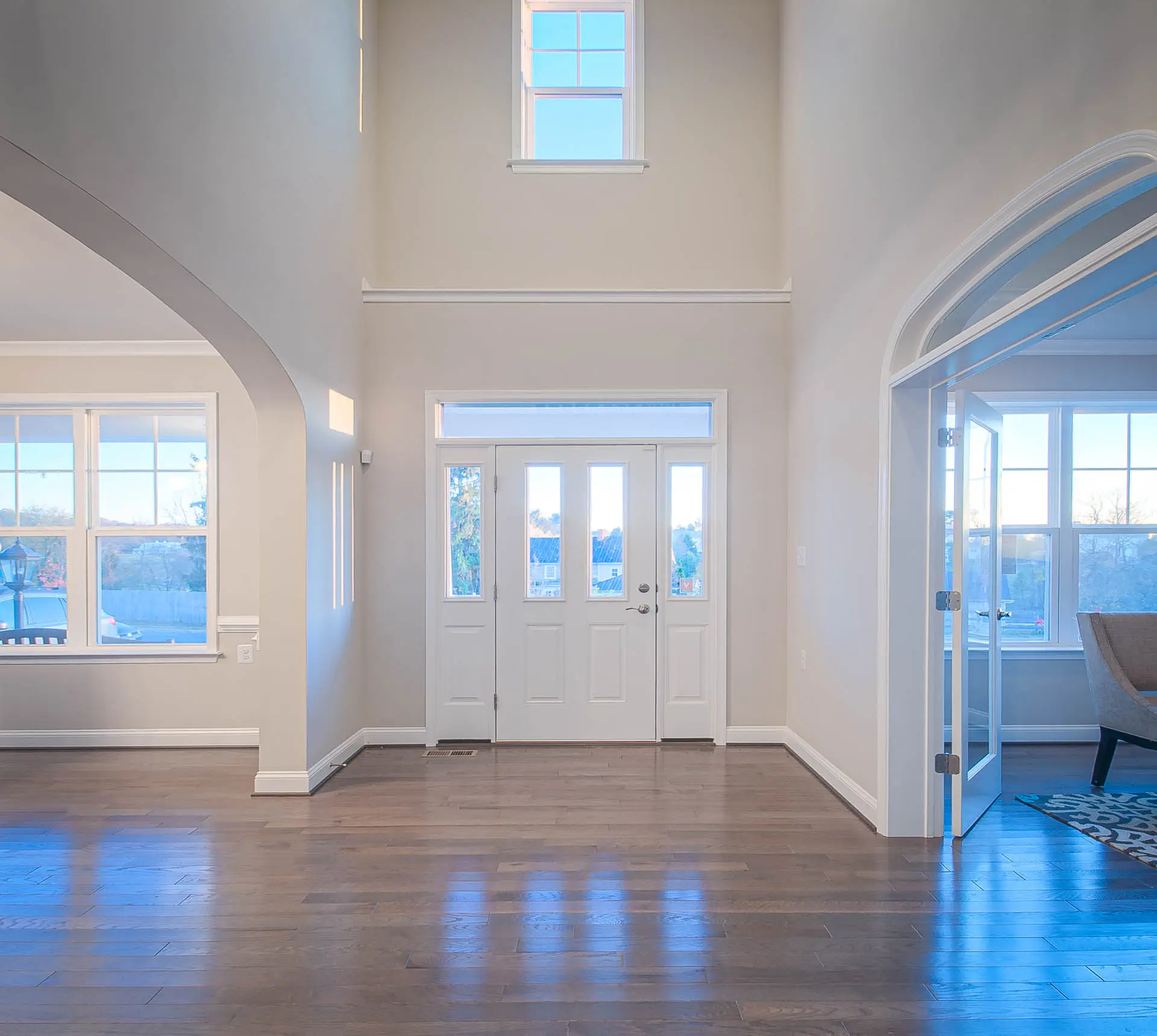
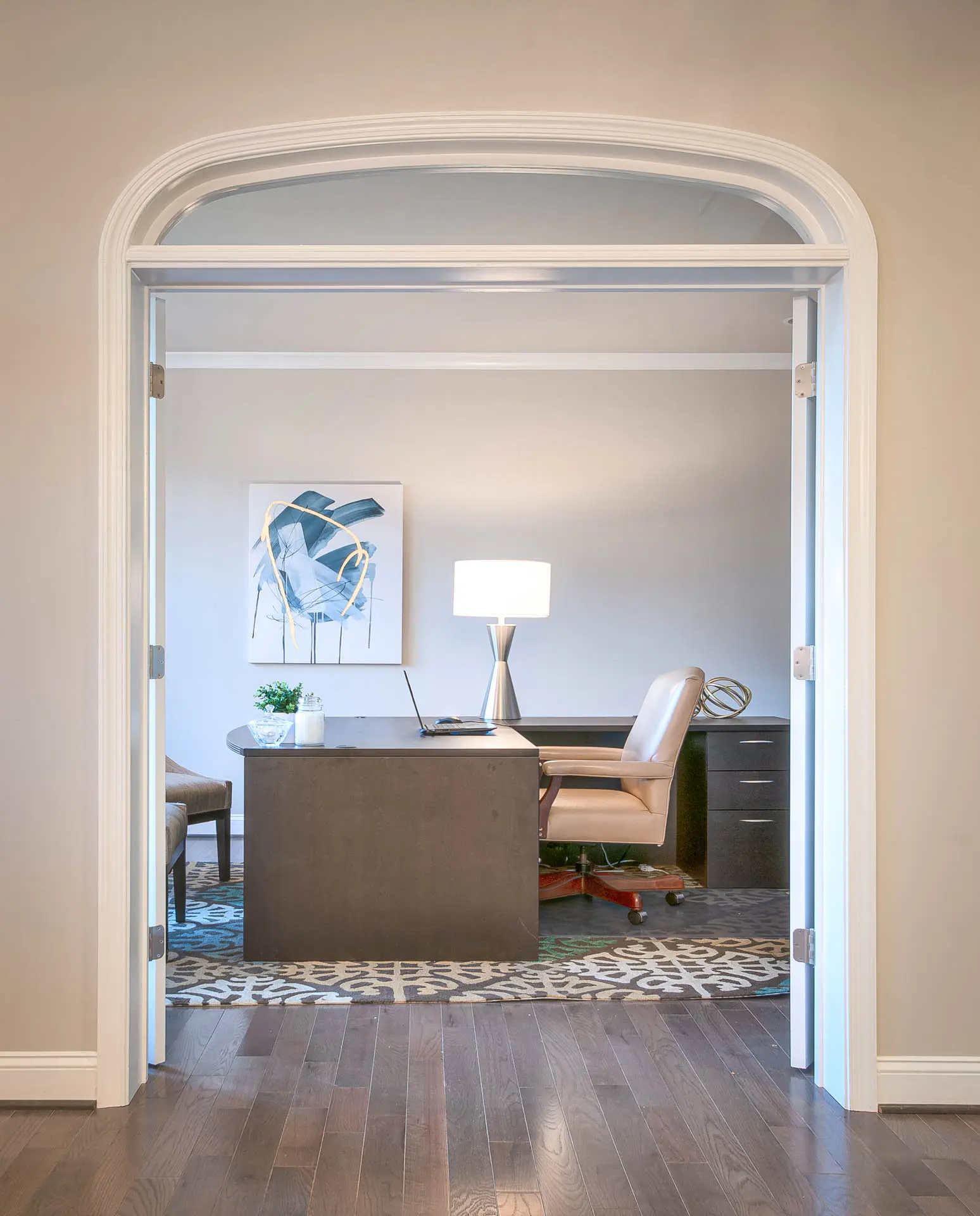
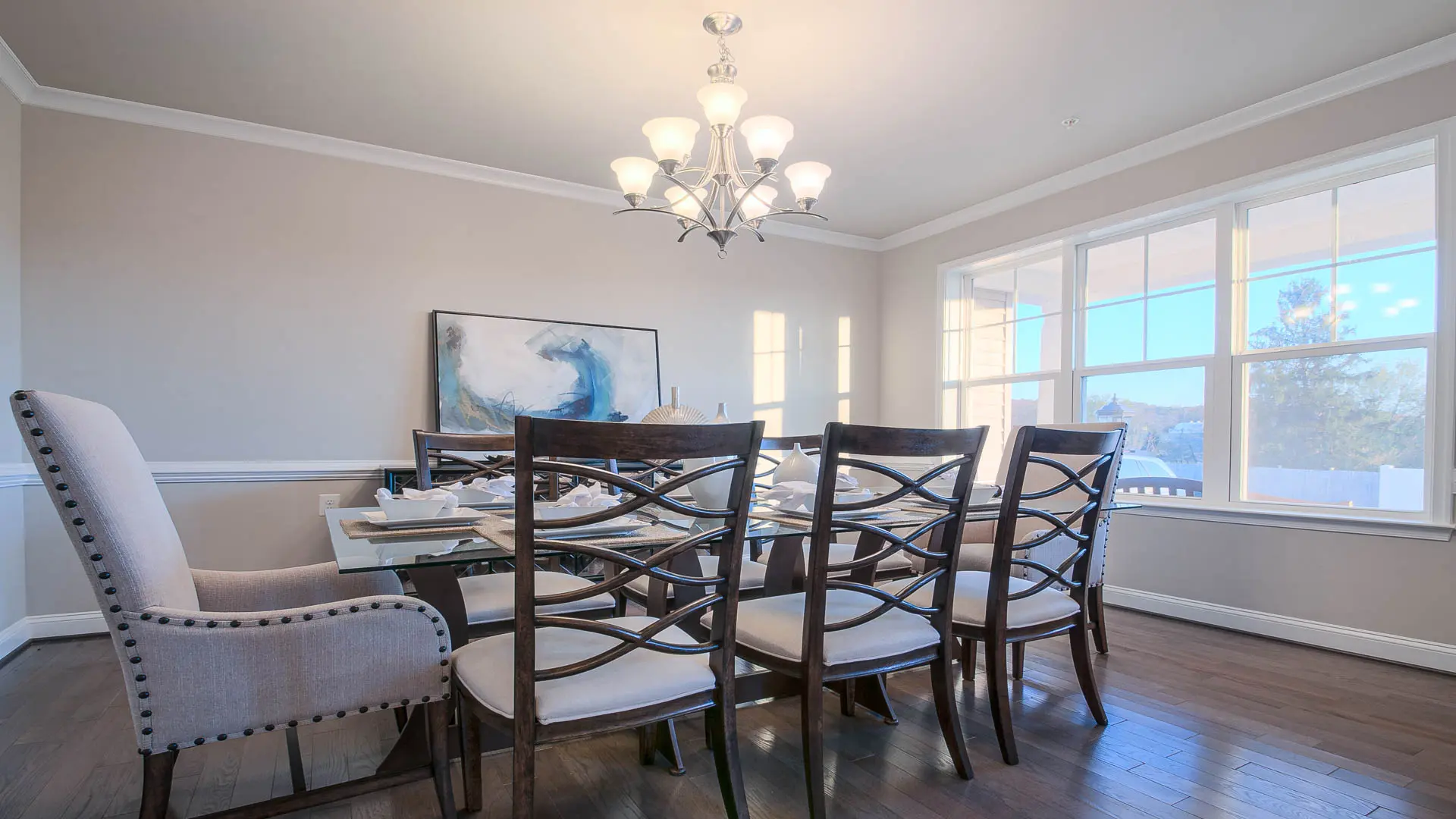
Spring Hollow at Holly Hills Country Club is within walking distance (or a golf cart ride) to one of the area’s most respected private clubs and golf courses. Spring Hollow features just fourteen custom-designed, estate-sized homesites, each nearly an acre, with forested views and open, modern floor plans, grand island kitchens, and exciting outdoor living environments. Just minutes from Interstate 70, Lake Linganore, New Market “the antiques capital of Maryland,” and downtown Frederick.
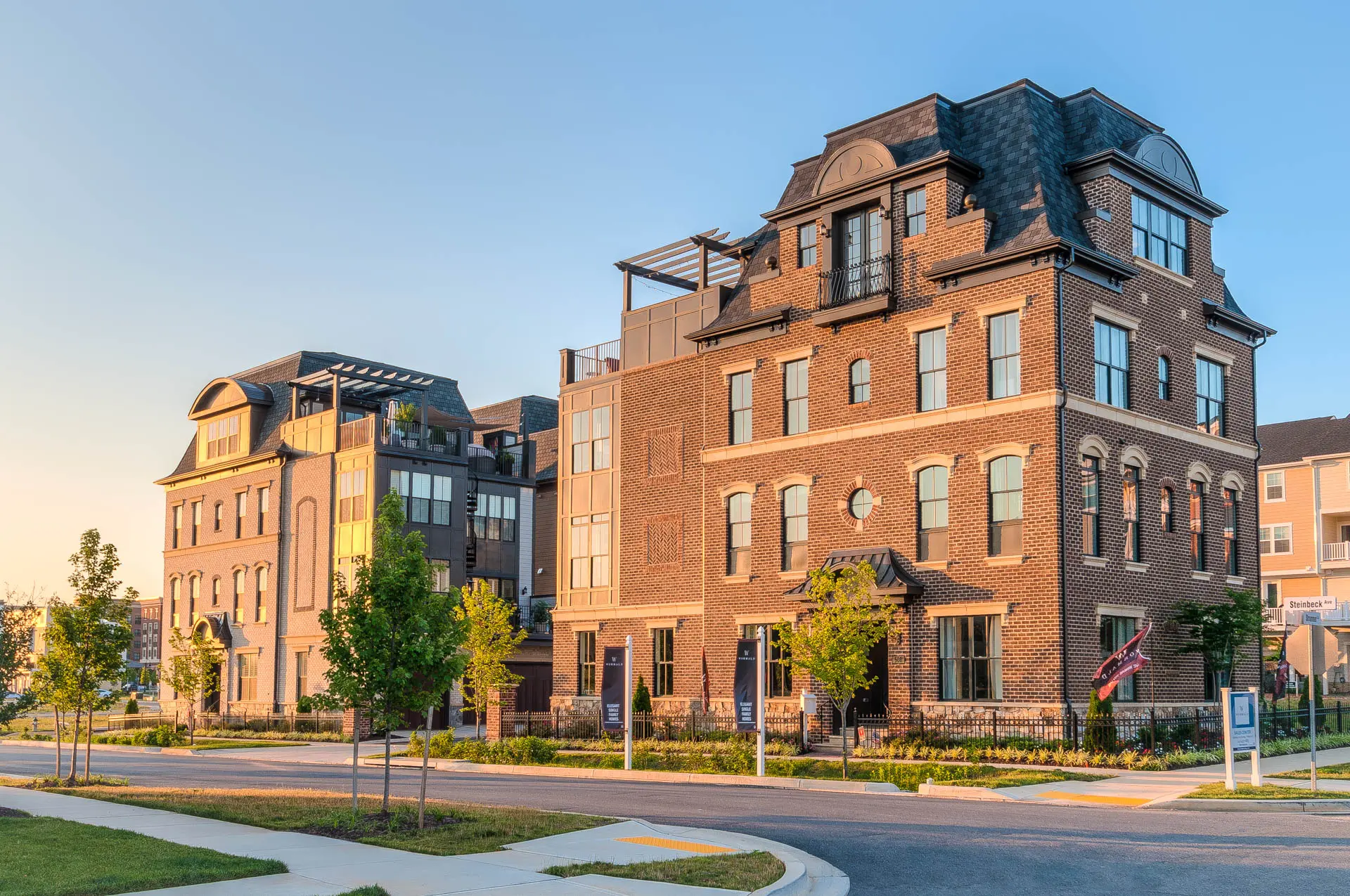

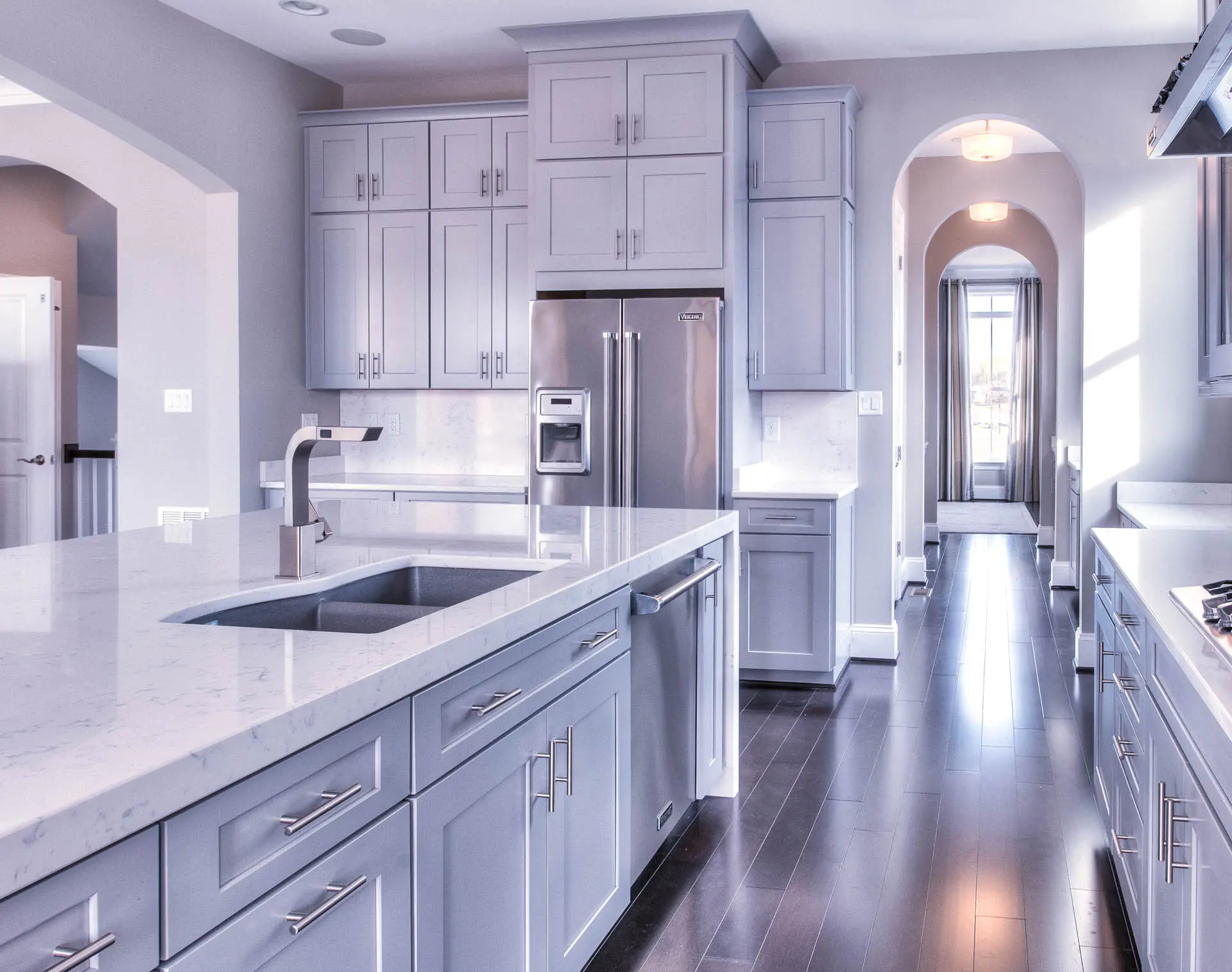
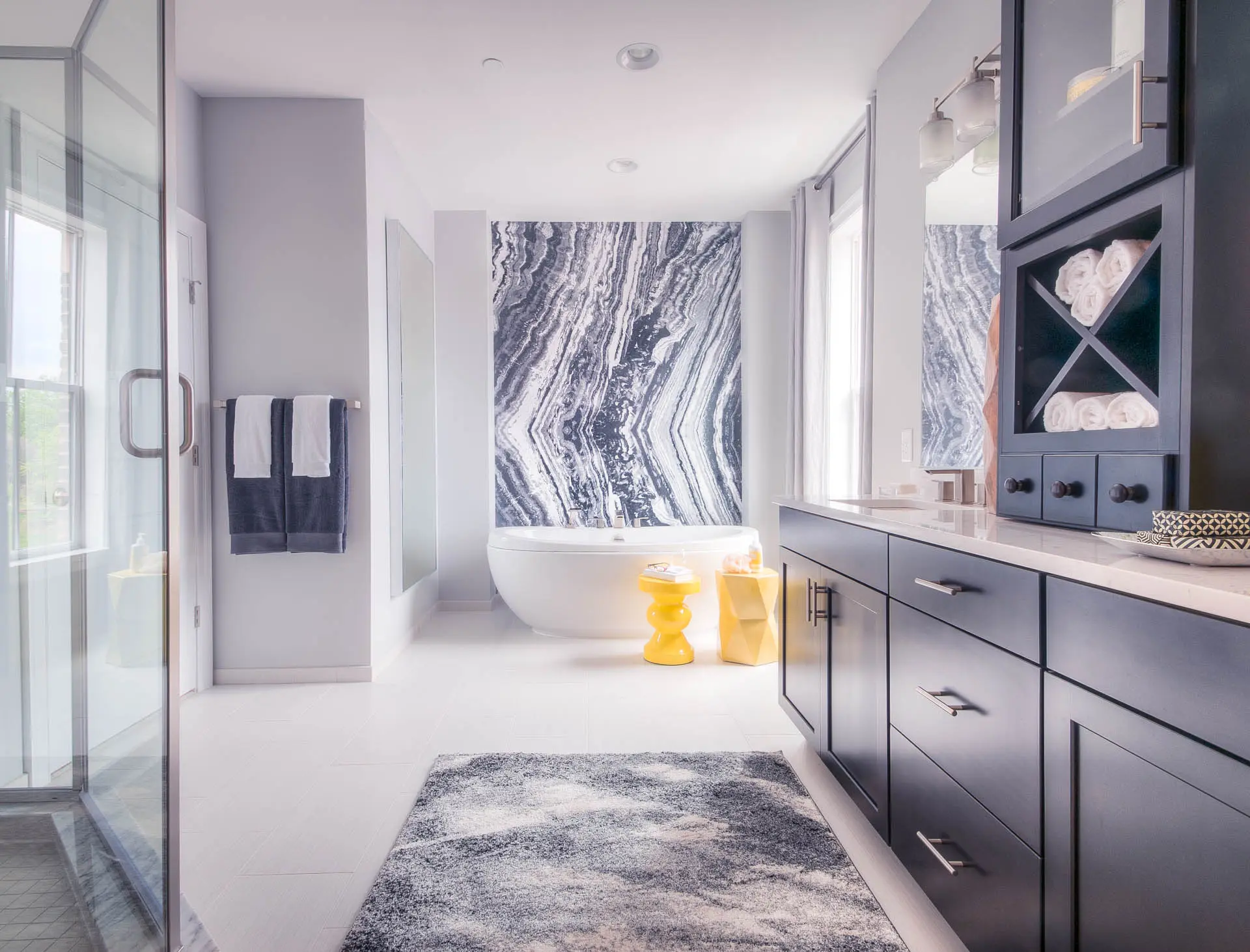
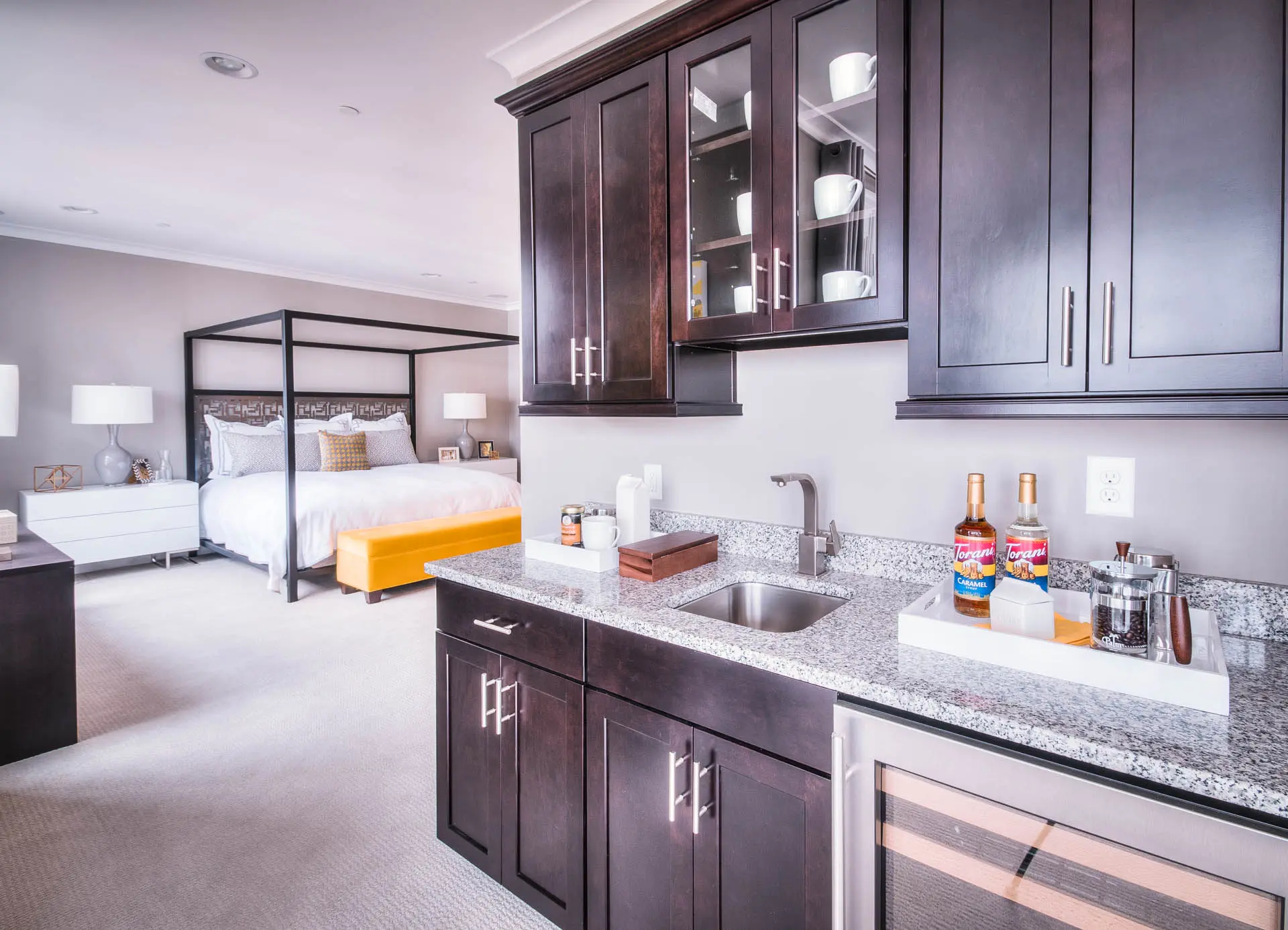
In the heart of Montgomery County, at the crossroads of I-270 and I-370, Wormald constructed an urban village of the most fashionable new single family homes available in the DC area. The City Home Collection sits on the edge of a park and wooded trails. It is within walking distance to The Retreat clubhouse and pools, as well as a market, fitness center, boutique shopping, and upscale dining. The City Home Collection features three-car garages, penthouse lofts, elevators, Viking appliances, ten-foot ceilings, and modern island kitchens that open to great rooms. These additionally include sunrooms, grand terrace, owner’s retreats, rooftop terraces, three to five bedrooms, and two and one-half to four and one-half baths. The community features a yard maintenance program to insure its long-term beauty.
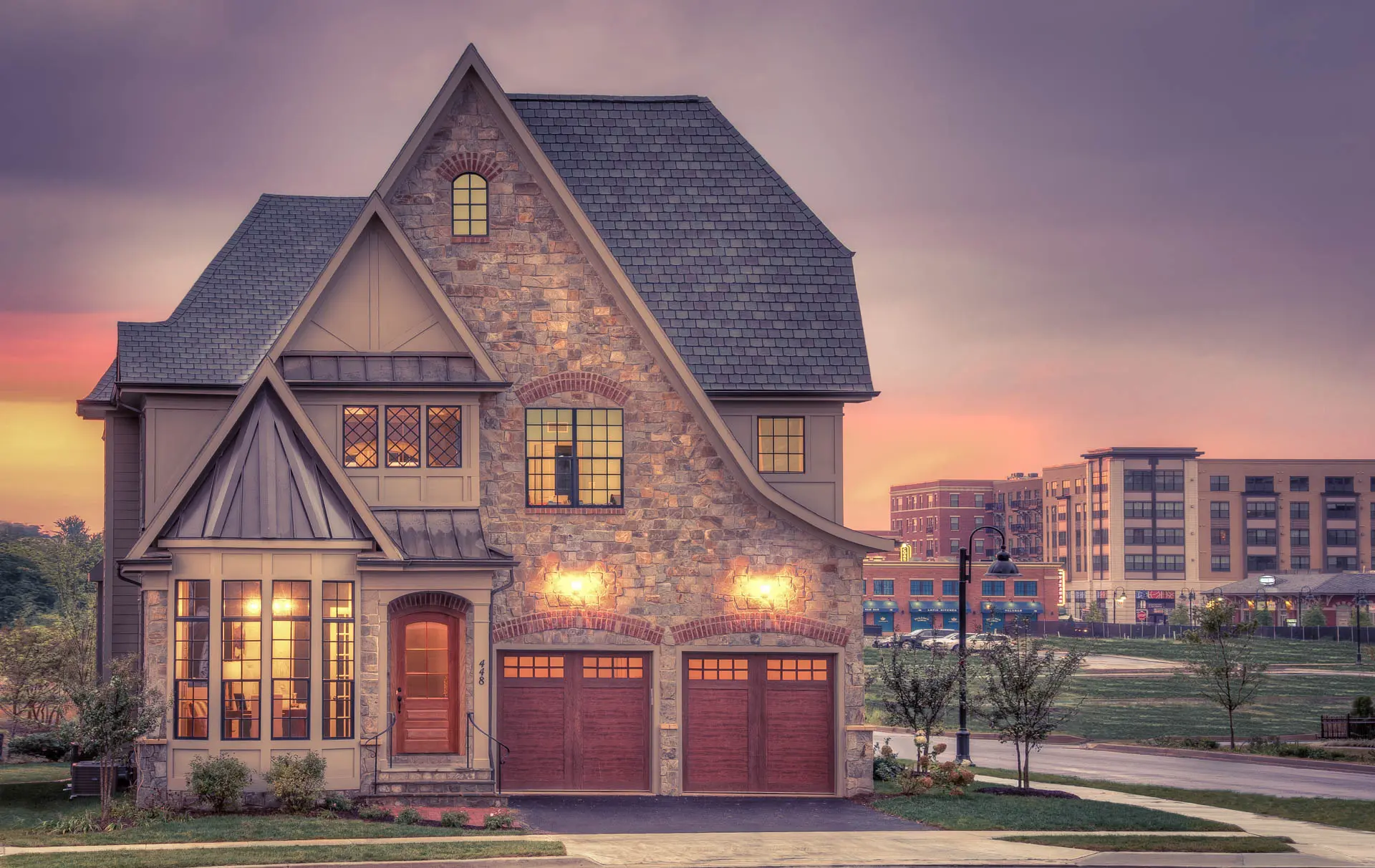
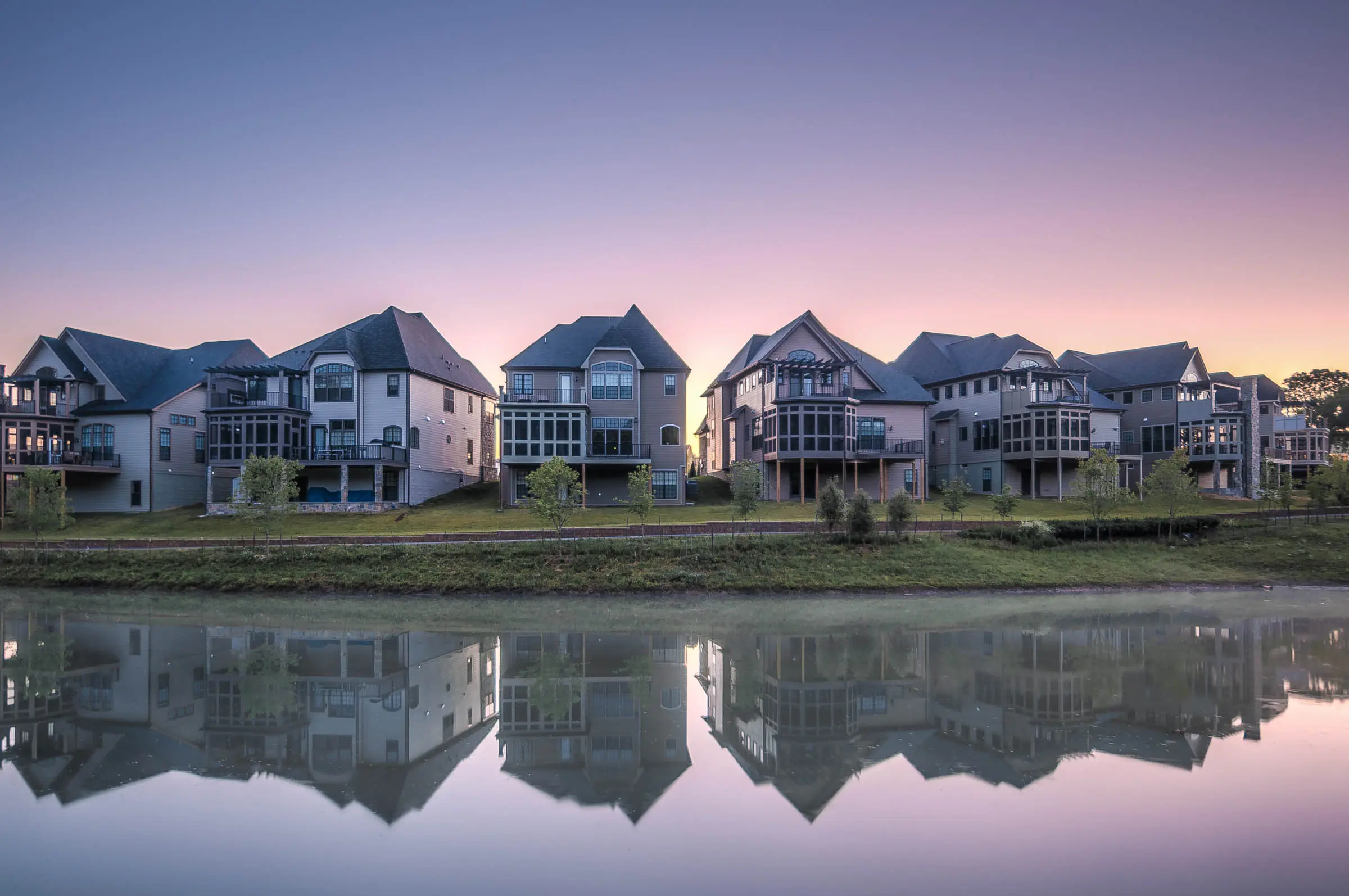
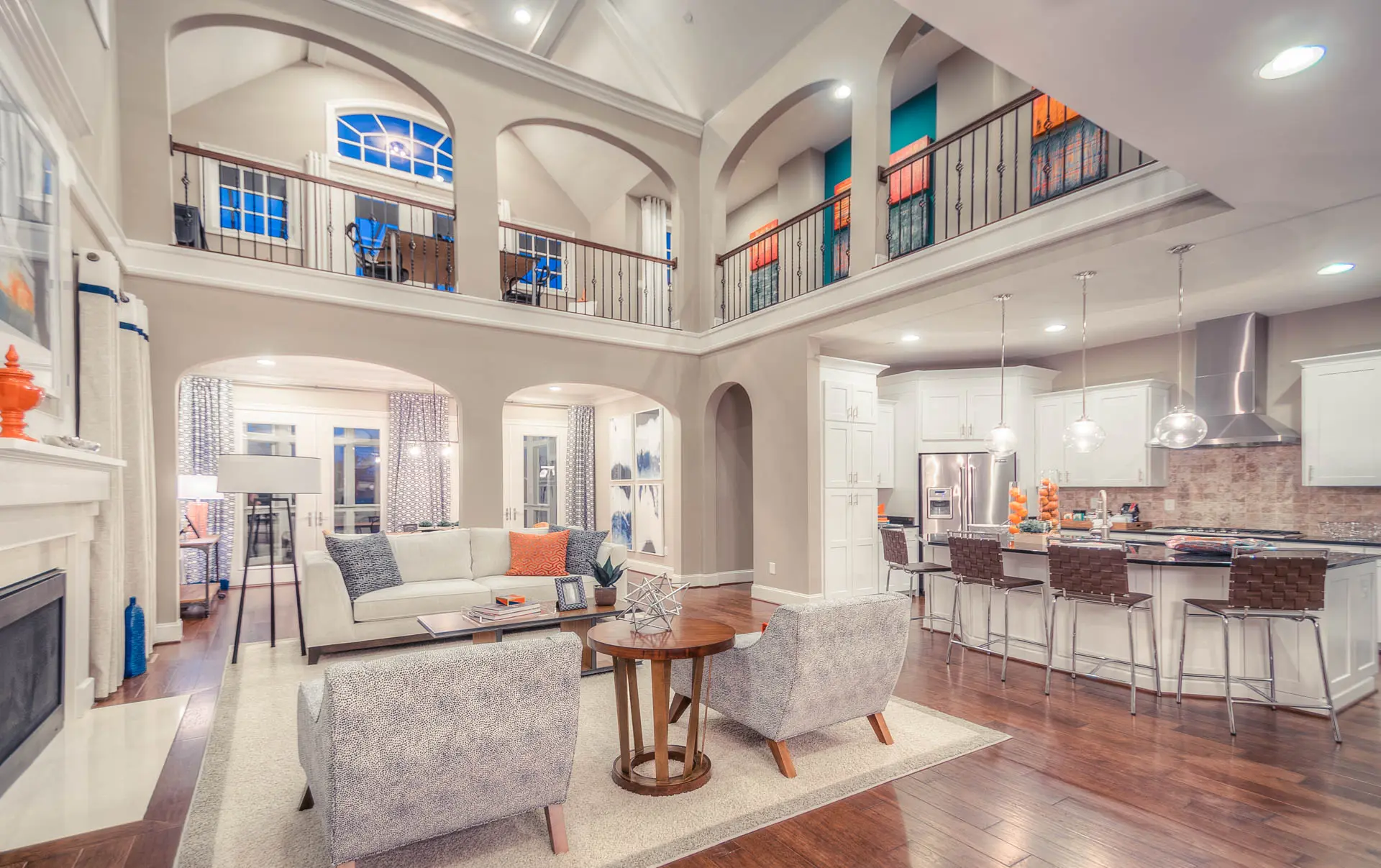
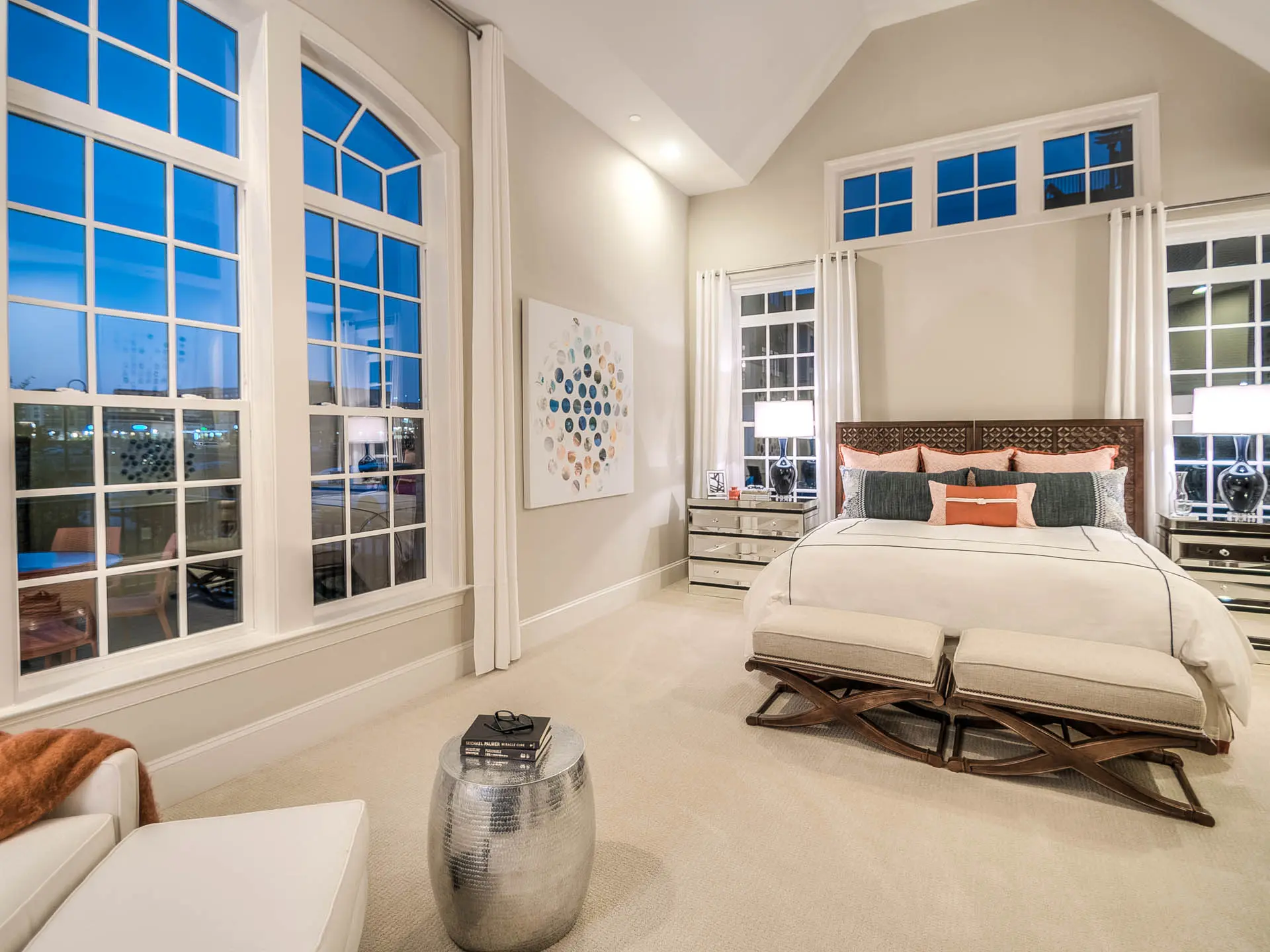
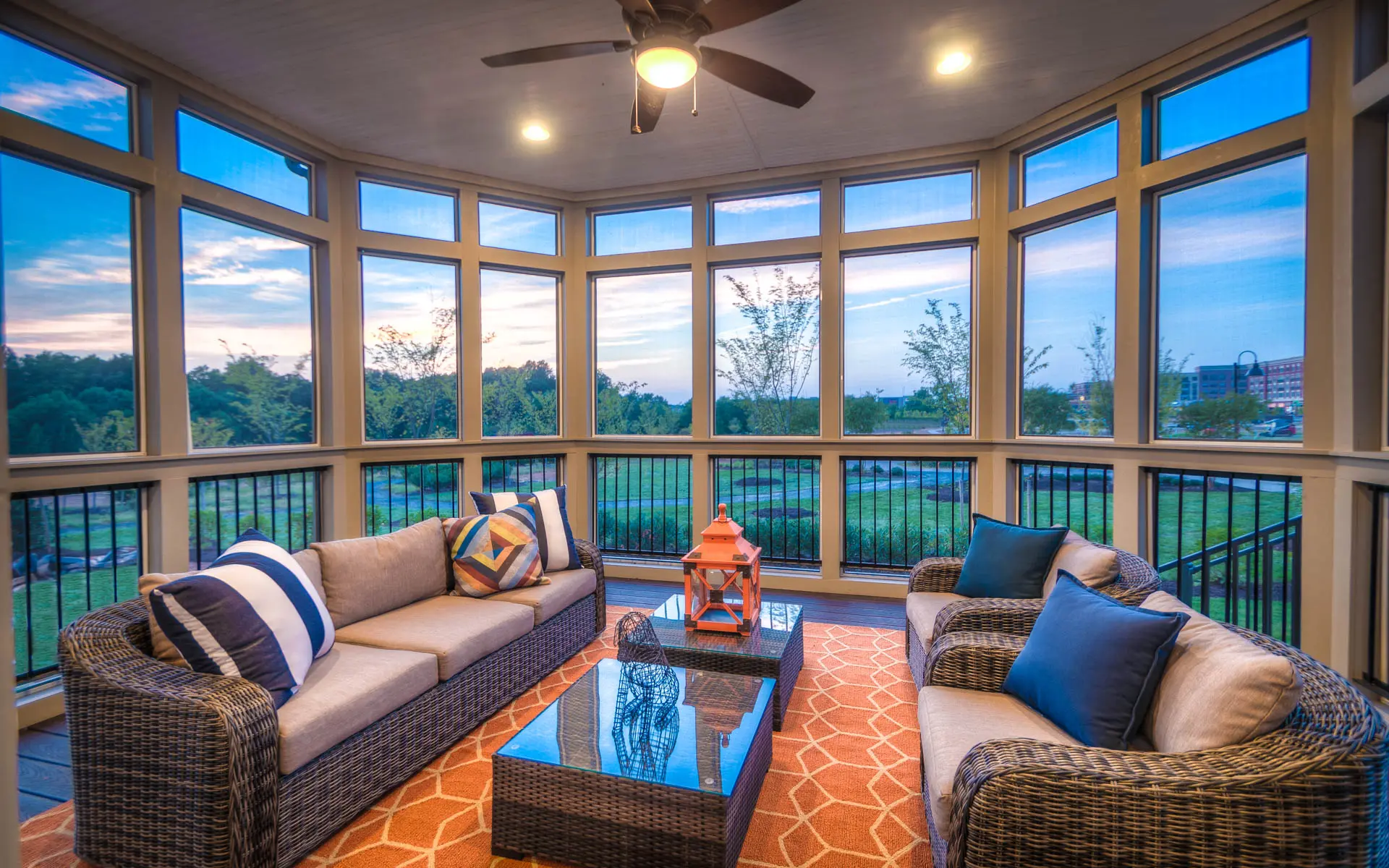
Imagine waking up in a luxurious, old world estate home overlooking woods or a manicured park. Cutting-edge façades, superior quality and architectural perfection, set in a sought-after location. Open your front door and stroll just a few blocks to have your morning coffee at La Madeleine or Starbucks, spend the afternoon poolside or working out at The Retreat or LA Fitness, then walk to dinner at Ruth’s Chris Steak House, Old Town Pour House, Ted’s Bulletin, or Coastal Flats. Crown living at its best. The award-winning Estate Collection features first or second floor owner’s suites, Viking appliances, ten-foot ceilings, modern island kitchens, three to five bedrooms, two and one-half to five and one-half baths, screened porches, rooftop terraces, optional elevators, and a yard maintenance program.
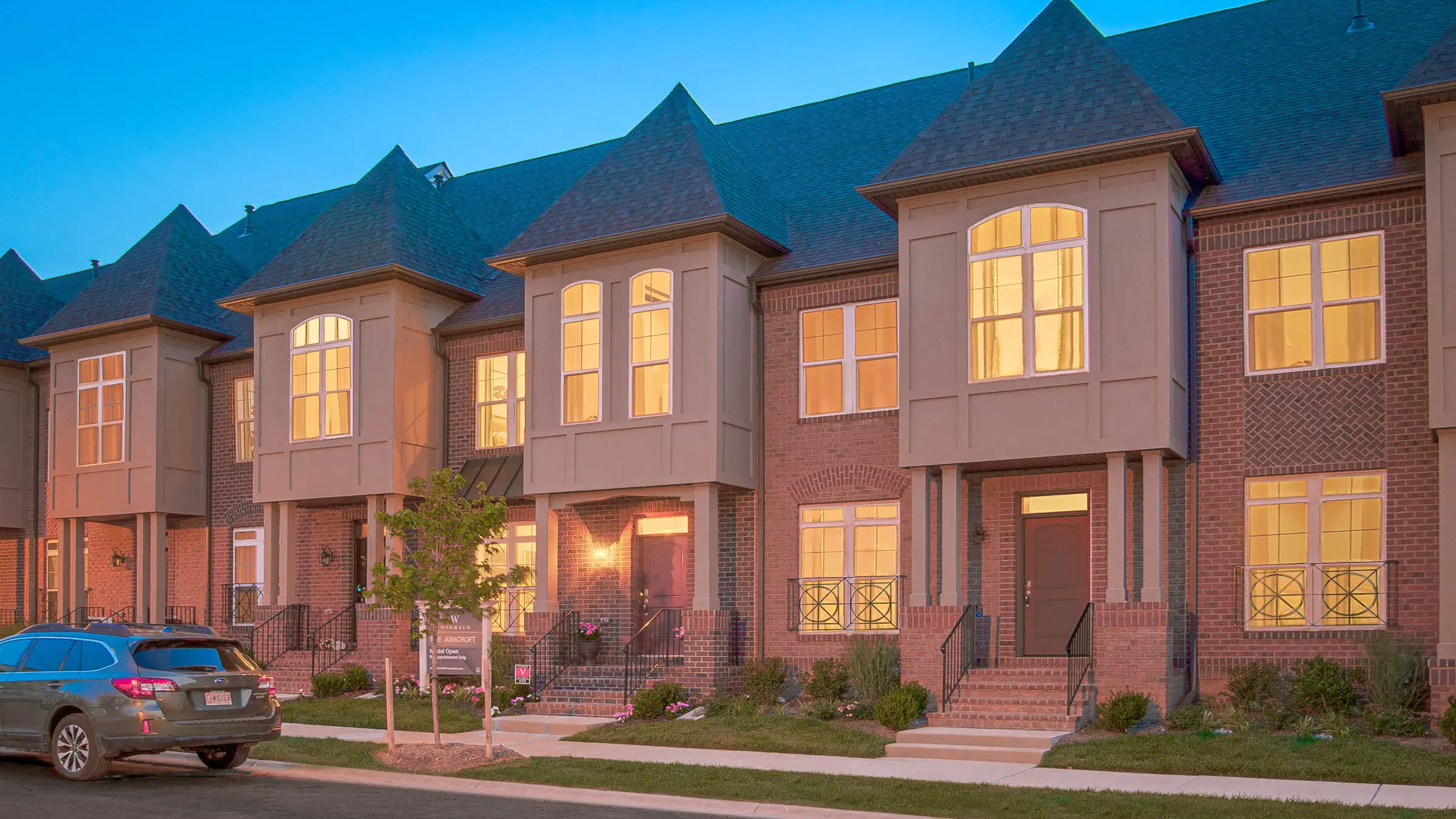
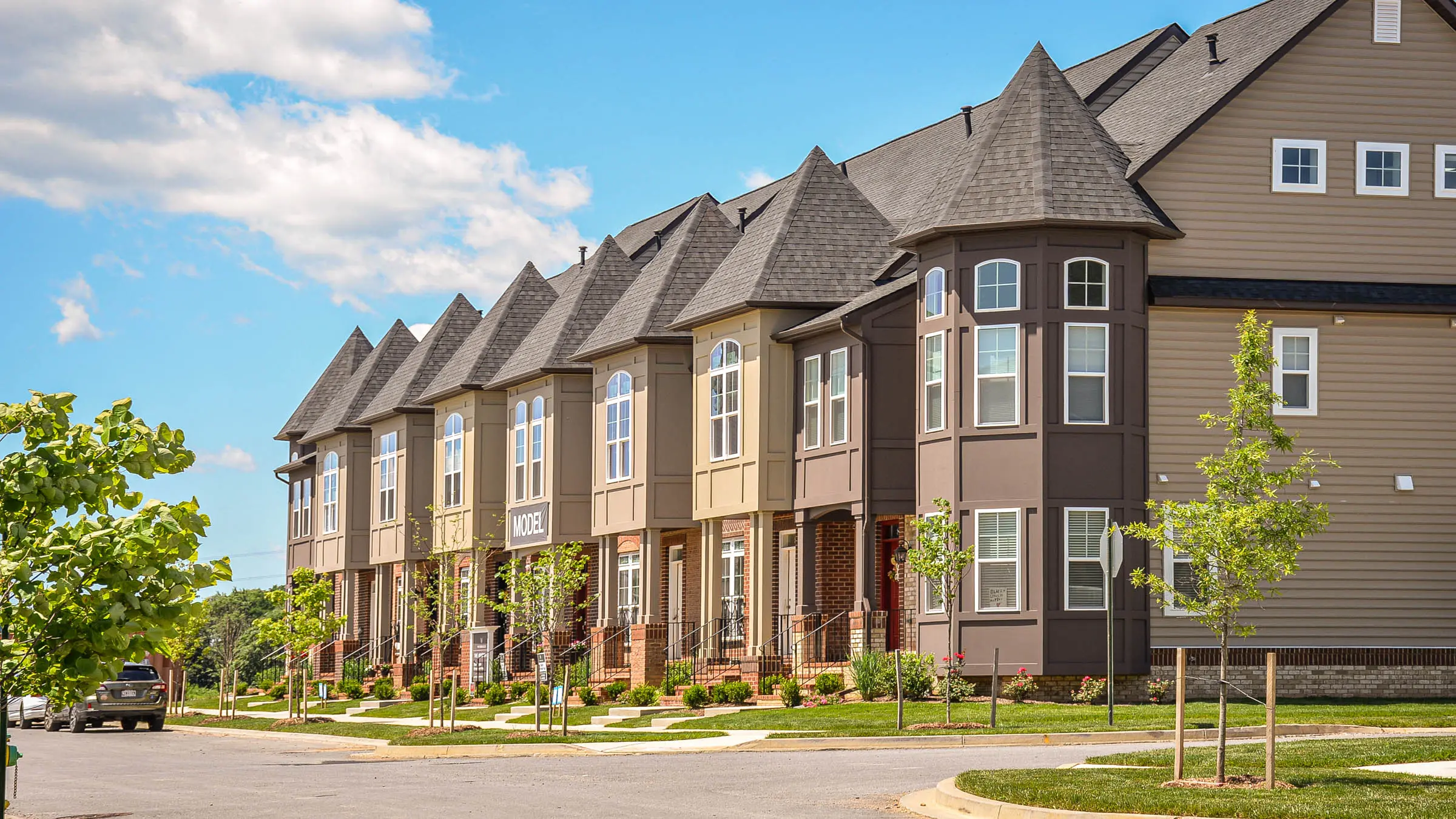
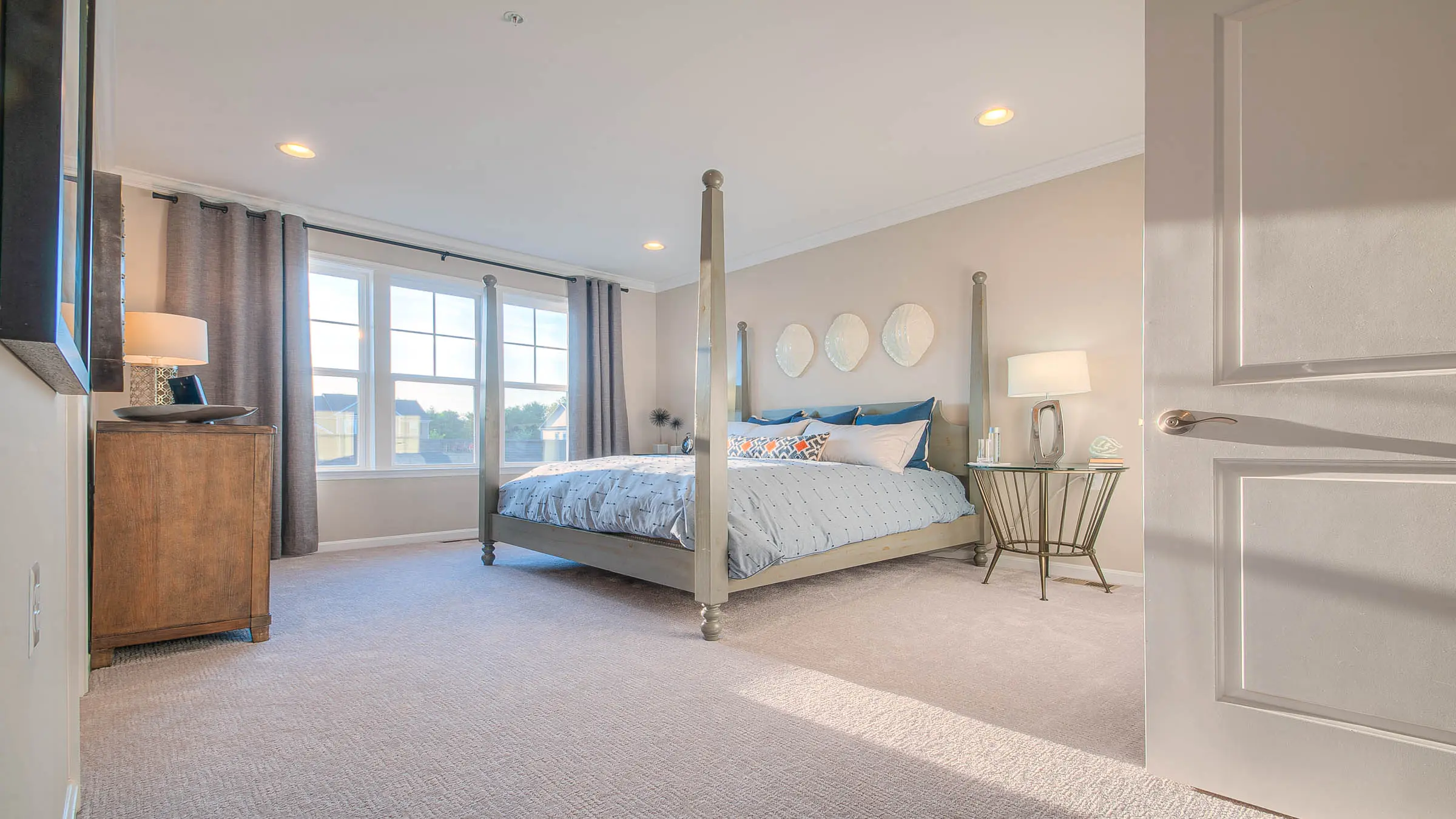
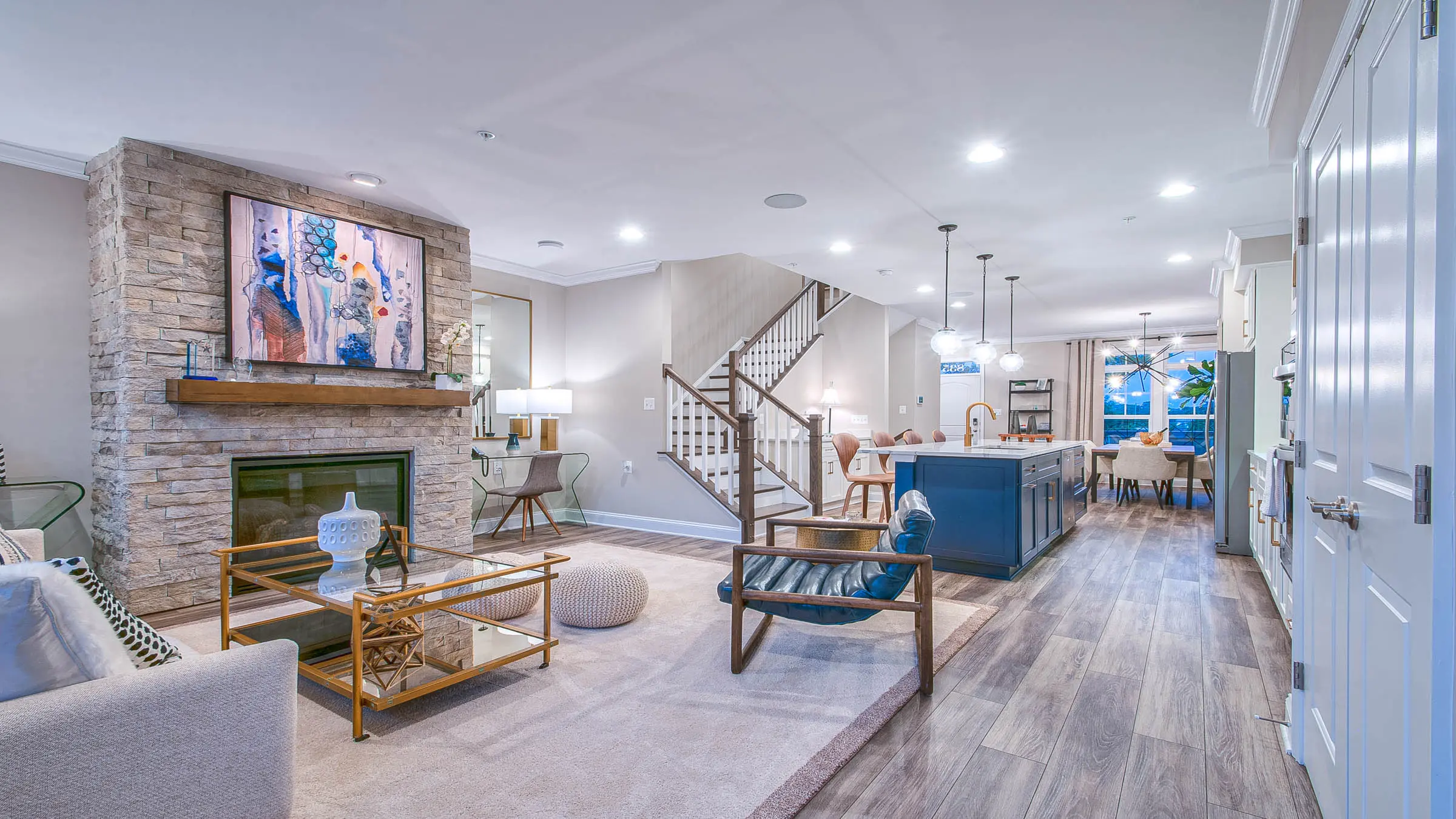
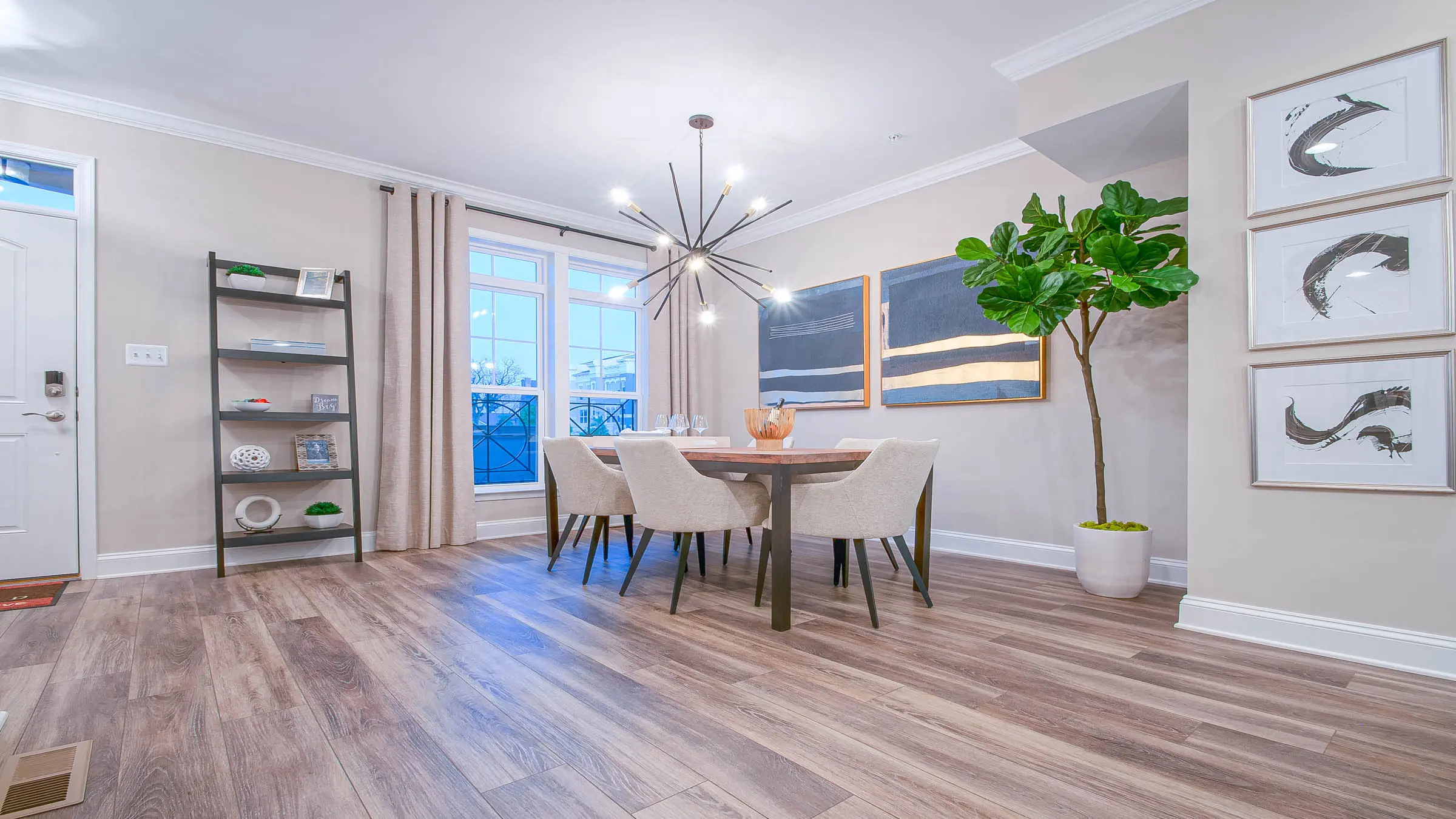
Luxurious and innovative townhomes, custom-designed by the Wormald architects to reflect the needs of today’s lifestyle. The popular Georgetown Collection is located in the sought-after master planned community of EastChurch.
Live within walking distance of one of the most celebrated downtowns in our nation. Downtown Frederick is hip and historic! Surround yourself with its Pre-Revolutionary War history, lively arts scene, signature restaurants and sidewalk cafes, boutiques, outdoor entertainment, and myriad of street festivals, farmer’s markets, and historic tours.
The Georgetown Collection offers open, modern floor plans featuring four finished levels, gourmet kitchens with spacious island countertops, bay windows, entrance porticos, grand stairwells, signature “Tower Room” with 12 ft. ceilings, brick elevations, 3 bedrooms, 3.5 baths, and 2,656 square feet. Enjoy our popular lofts with rooftop terraces. Community amenities include a stately clubhouse, pool, playground and common areas.
Plus, enjoy the freedom of a Lock and Go Lifestyle!
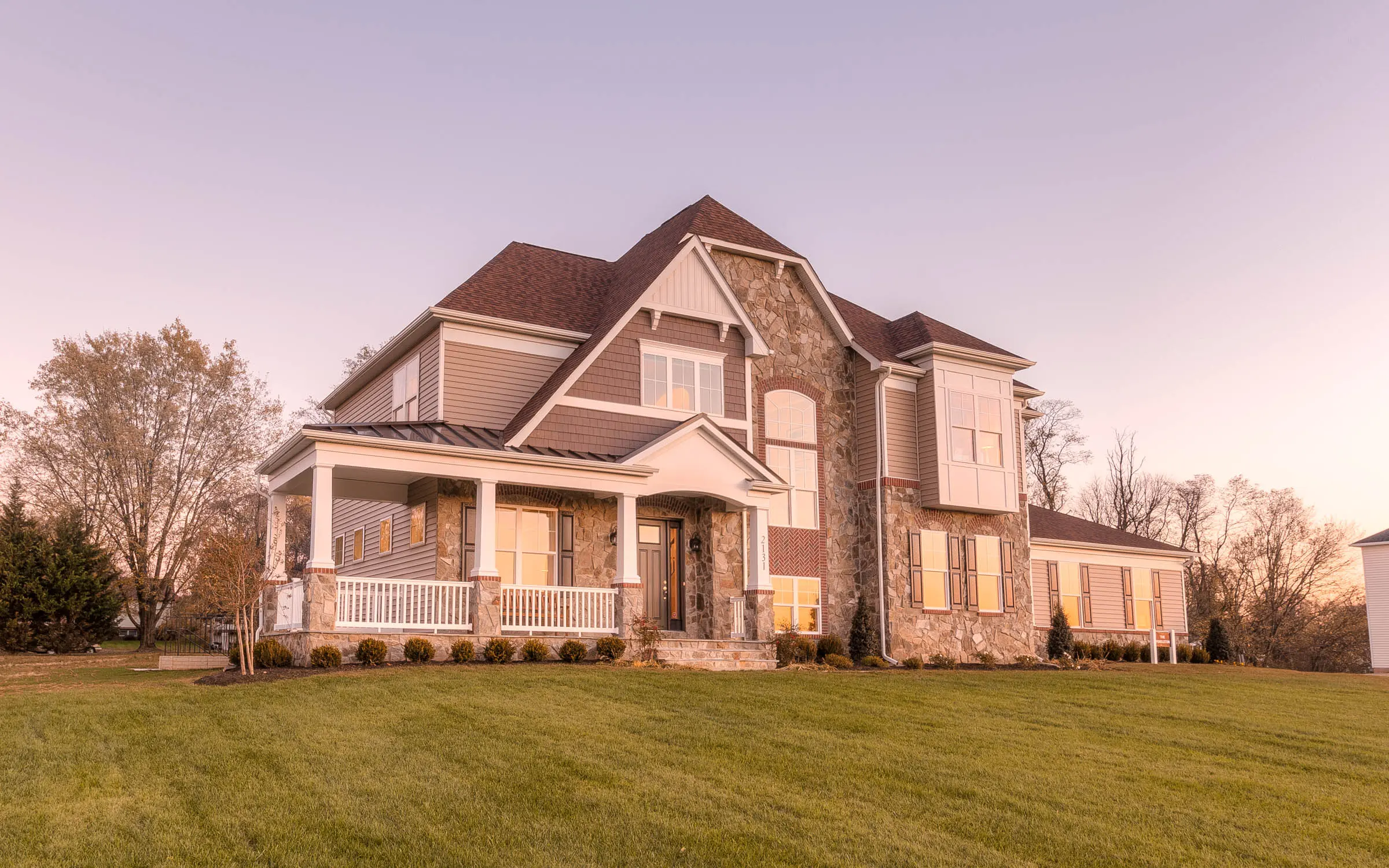
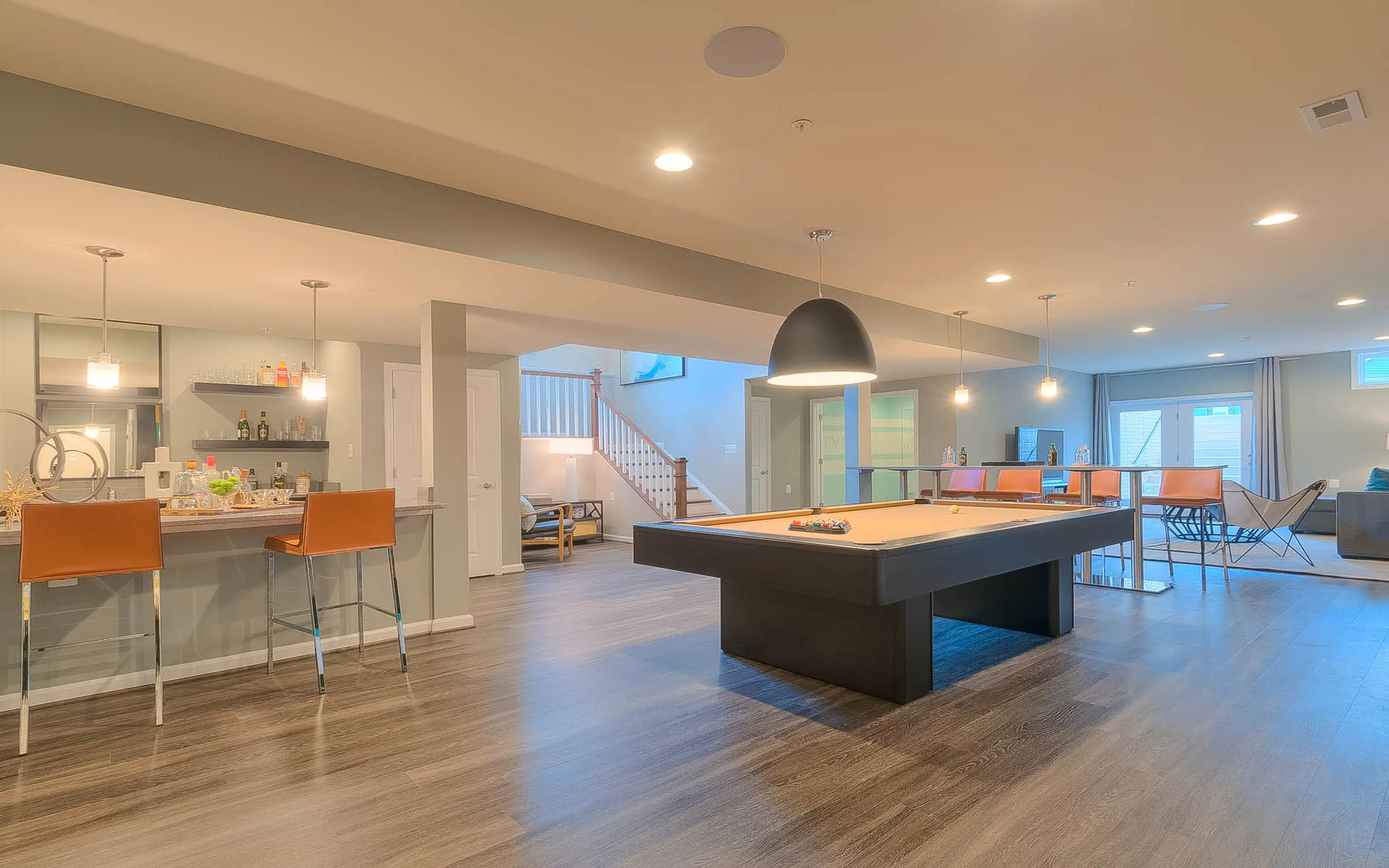
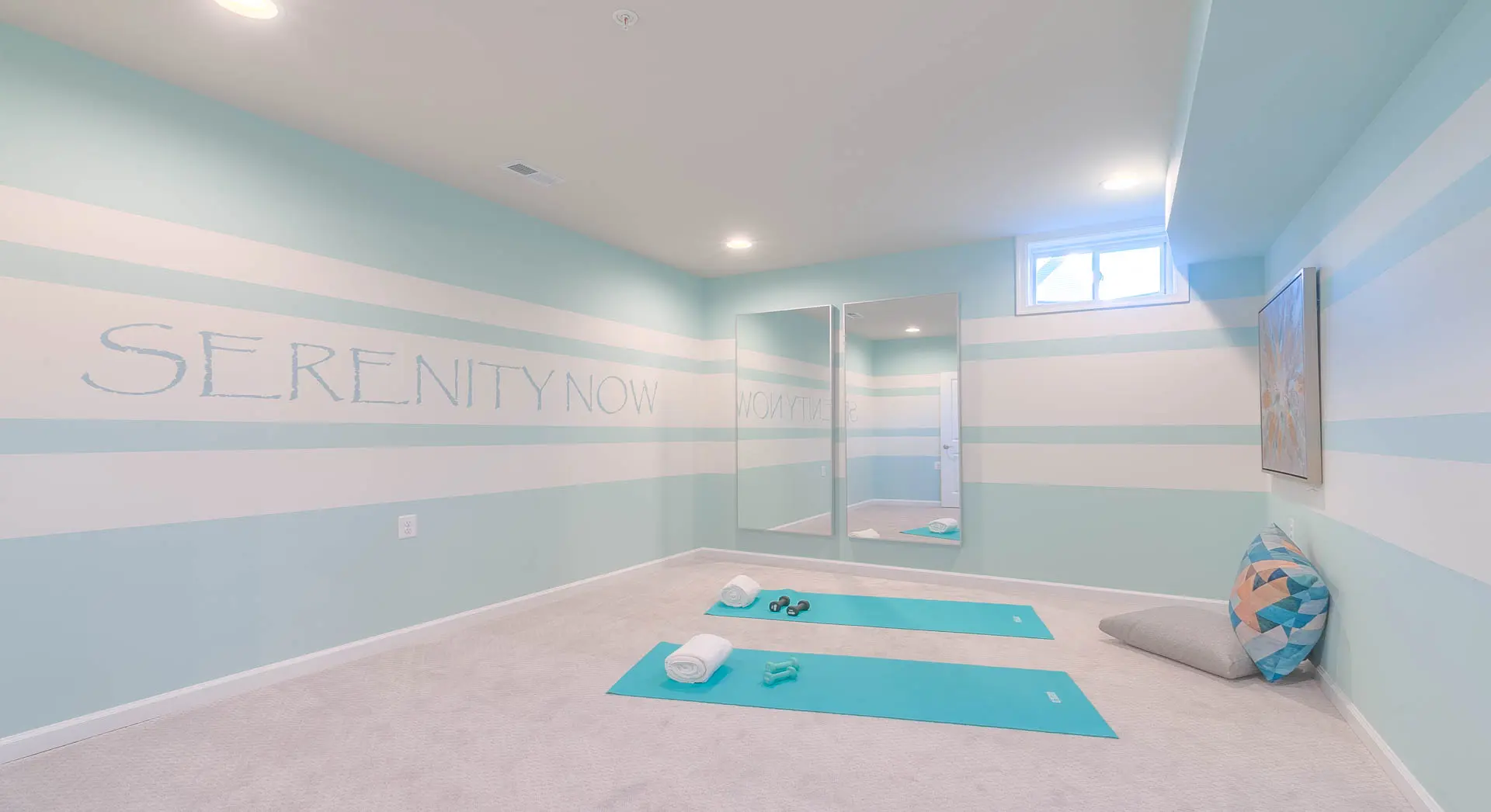
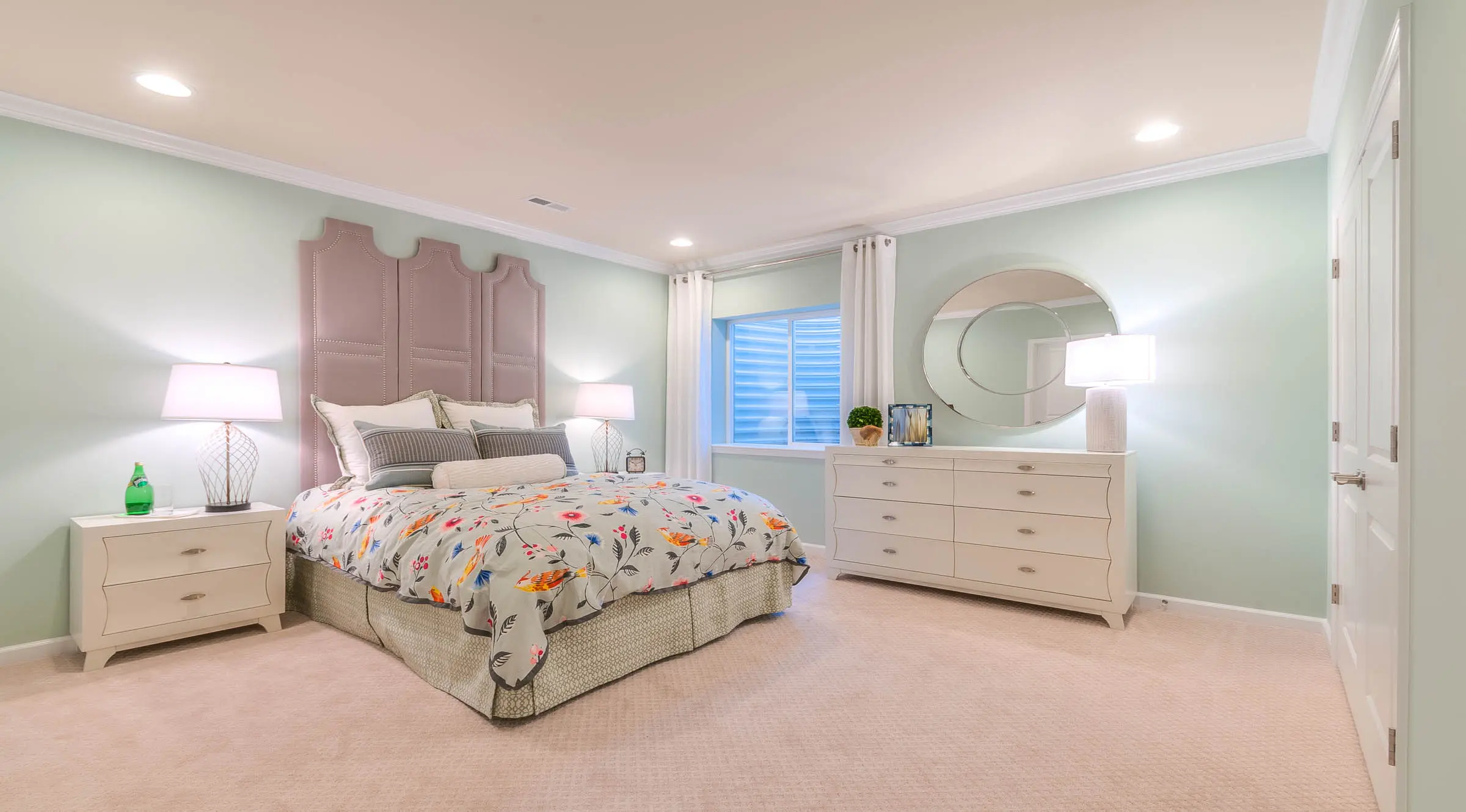
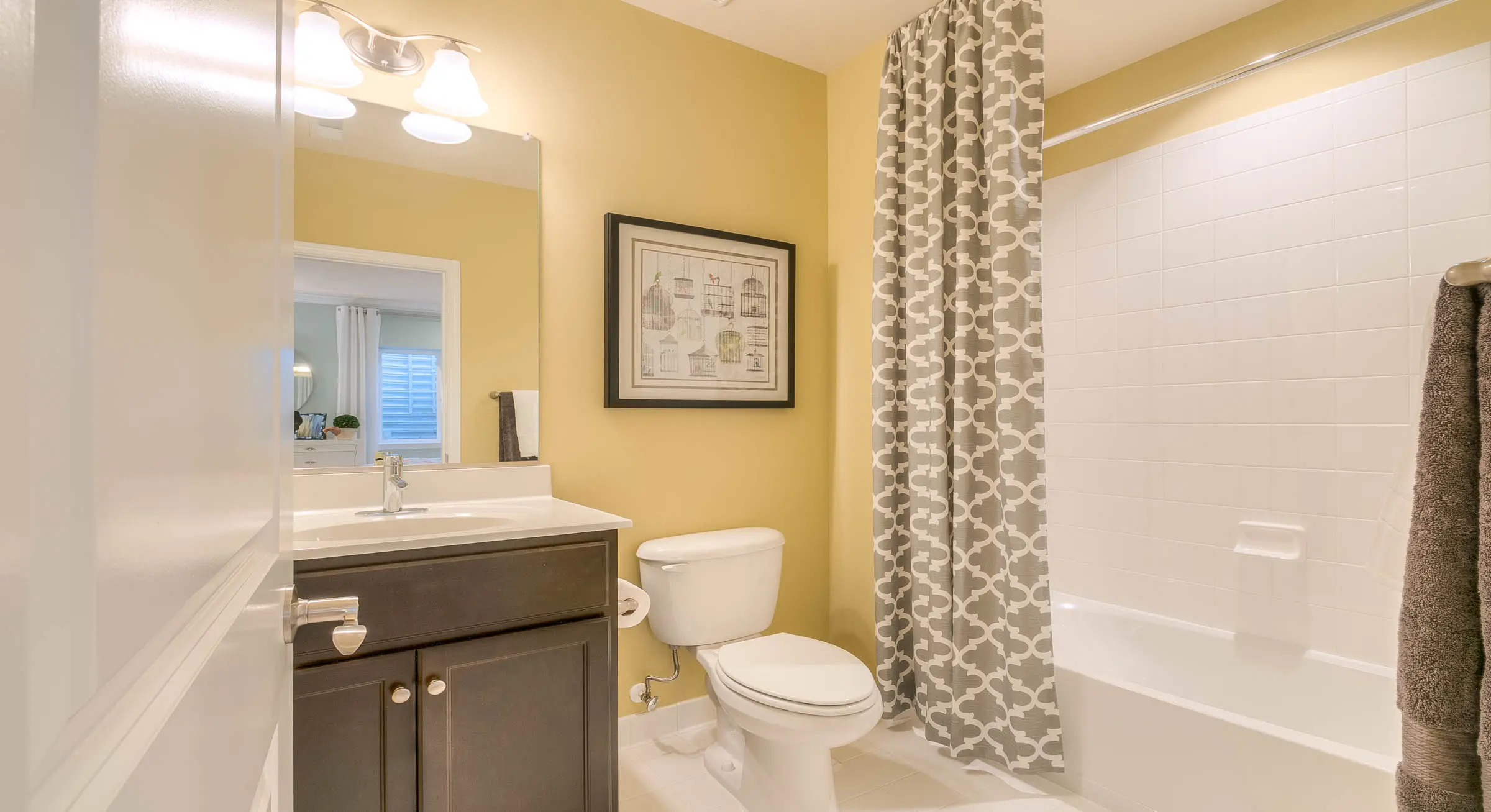
Bennett Preserve is conveniently located in Ijamsville in Frederick County, MD just across the street from the Montgomery County line, custom-designed with the latest modern concepts, including open floor plans, grand island kitchens, and exciting outdoor living environments. Large homesites accent the community. Rolling hills interspersed with mature forests provide outstanding vistas. Ideally located for quick access to I-270 to points north and south.
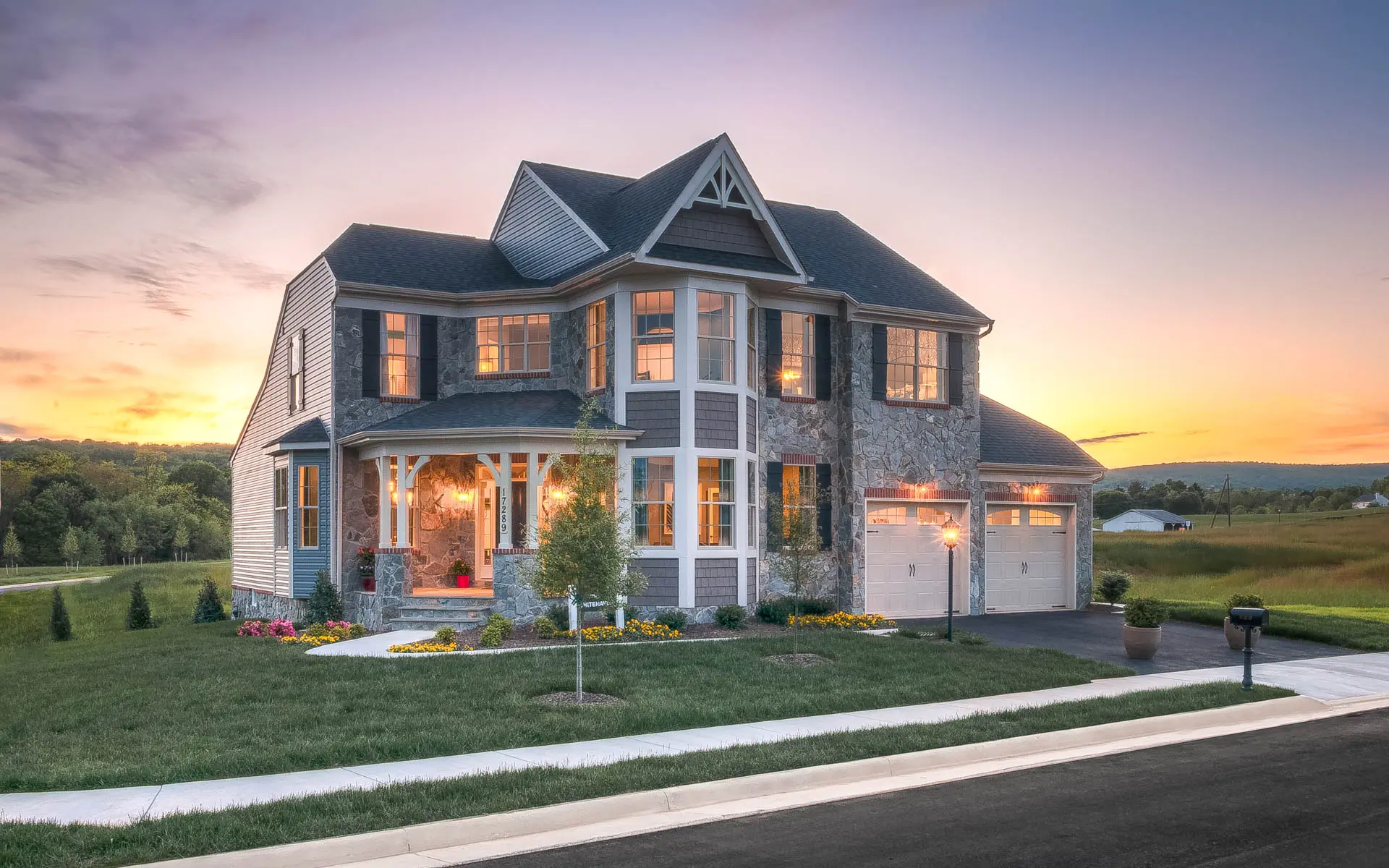
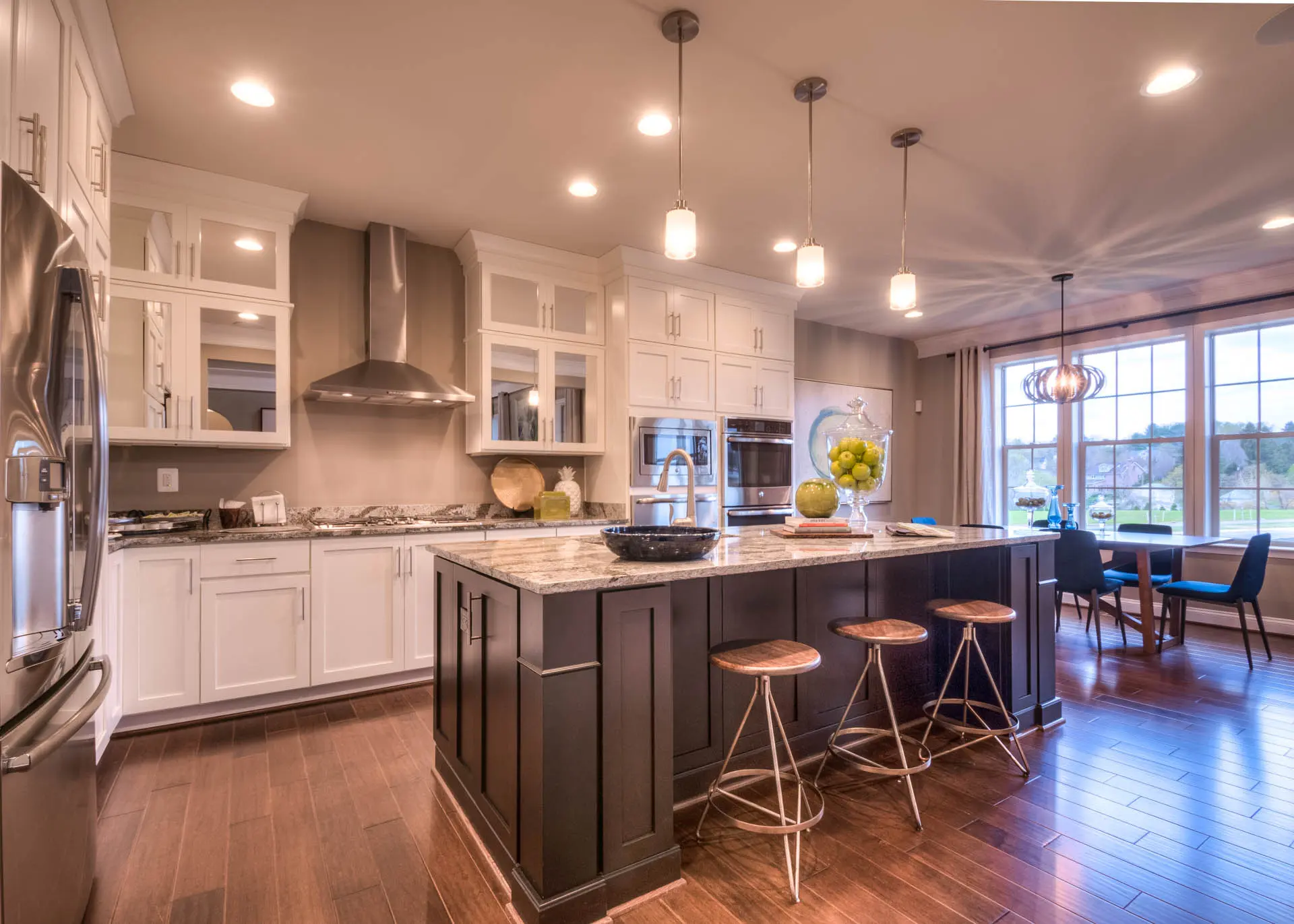
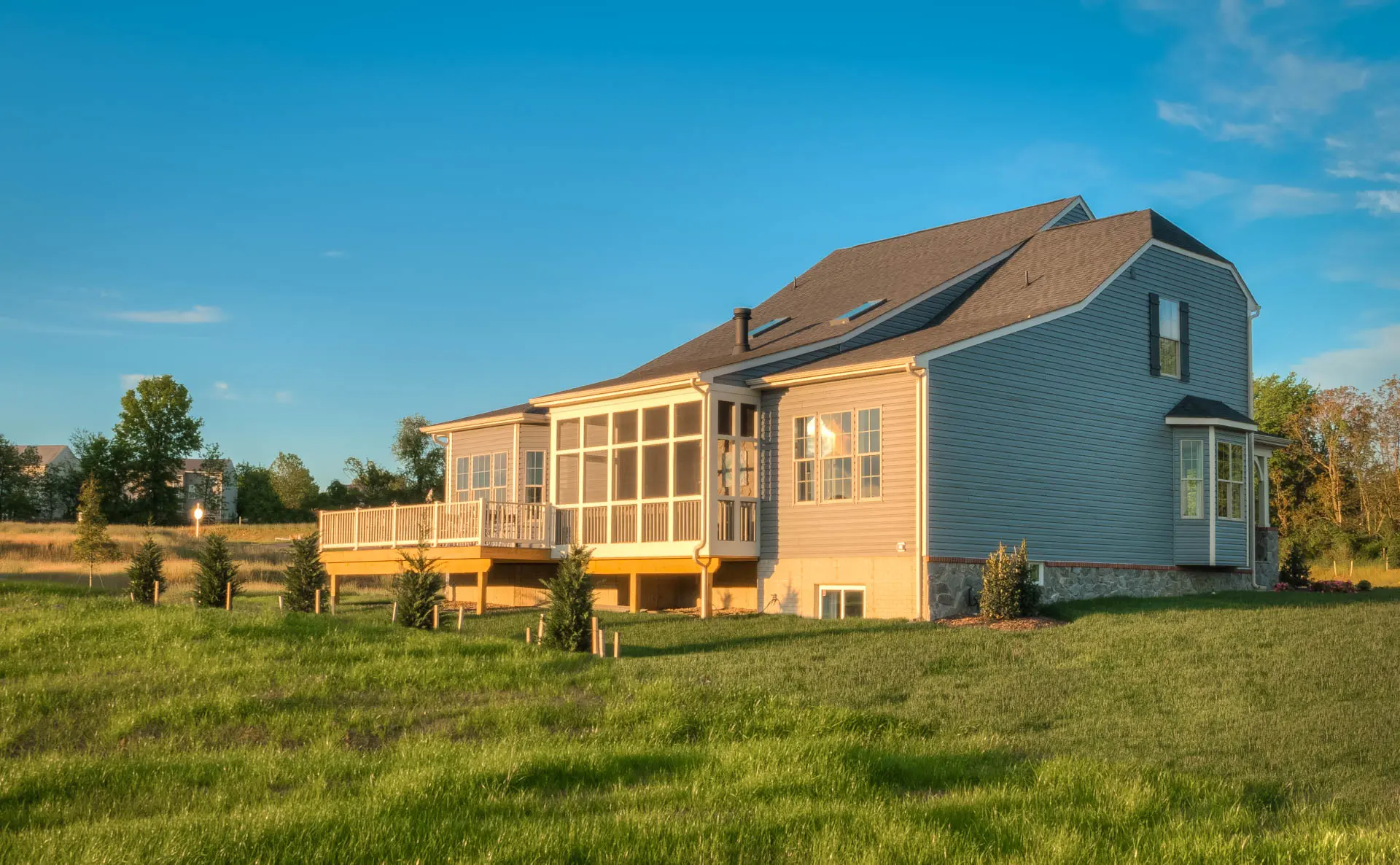
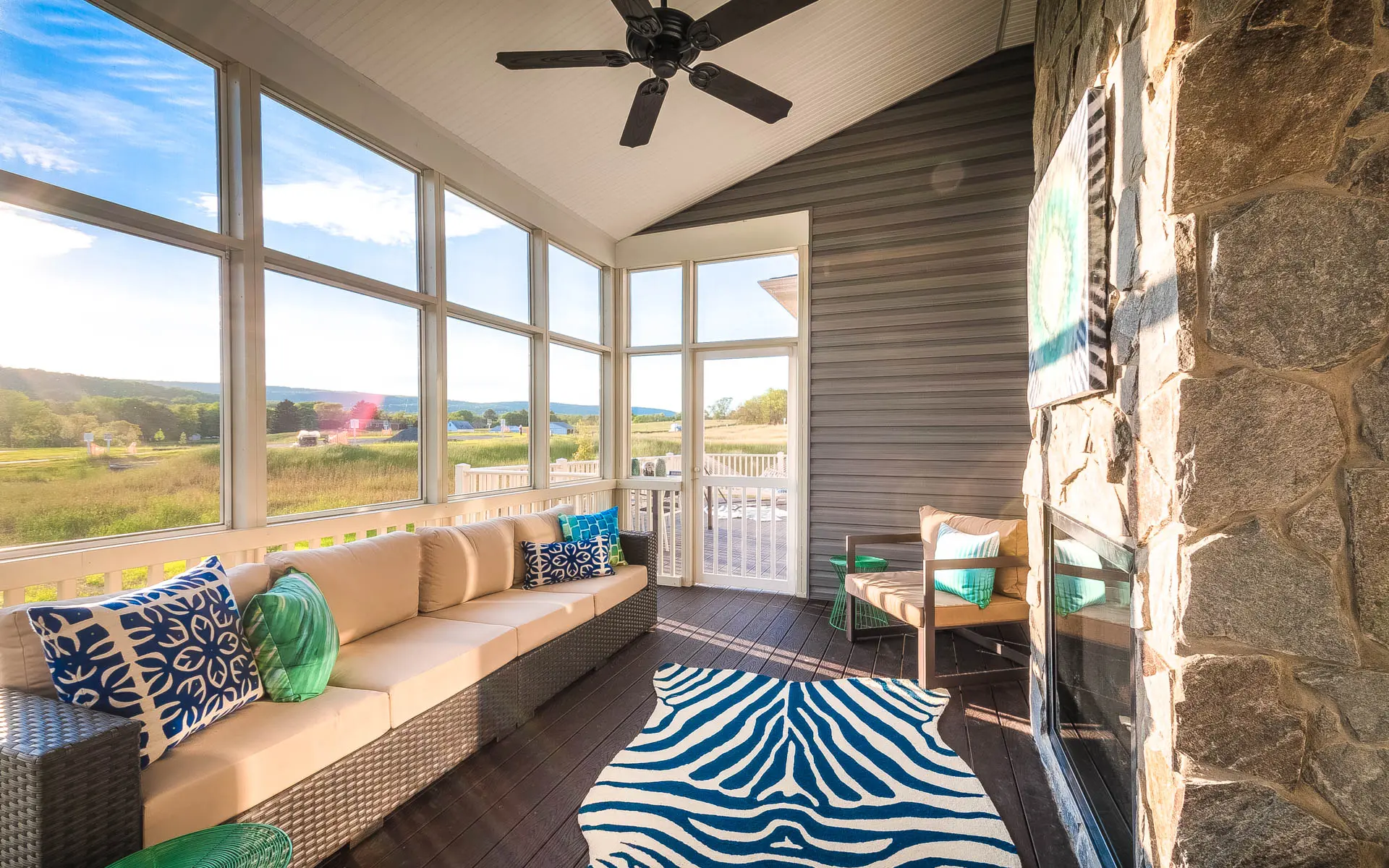
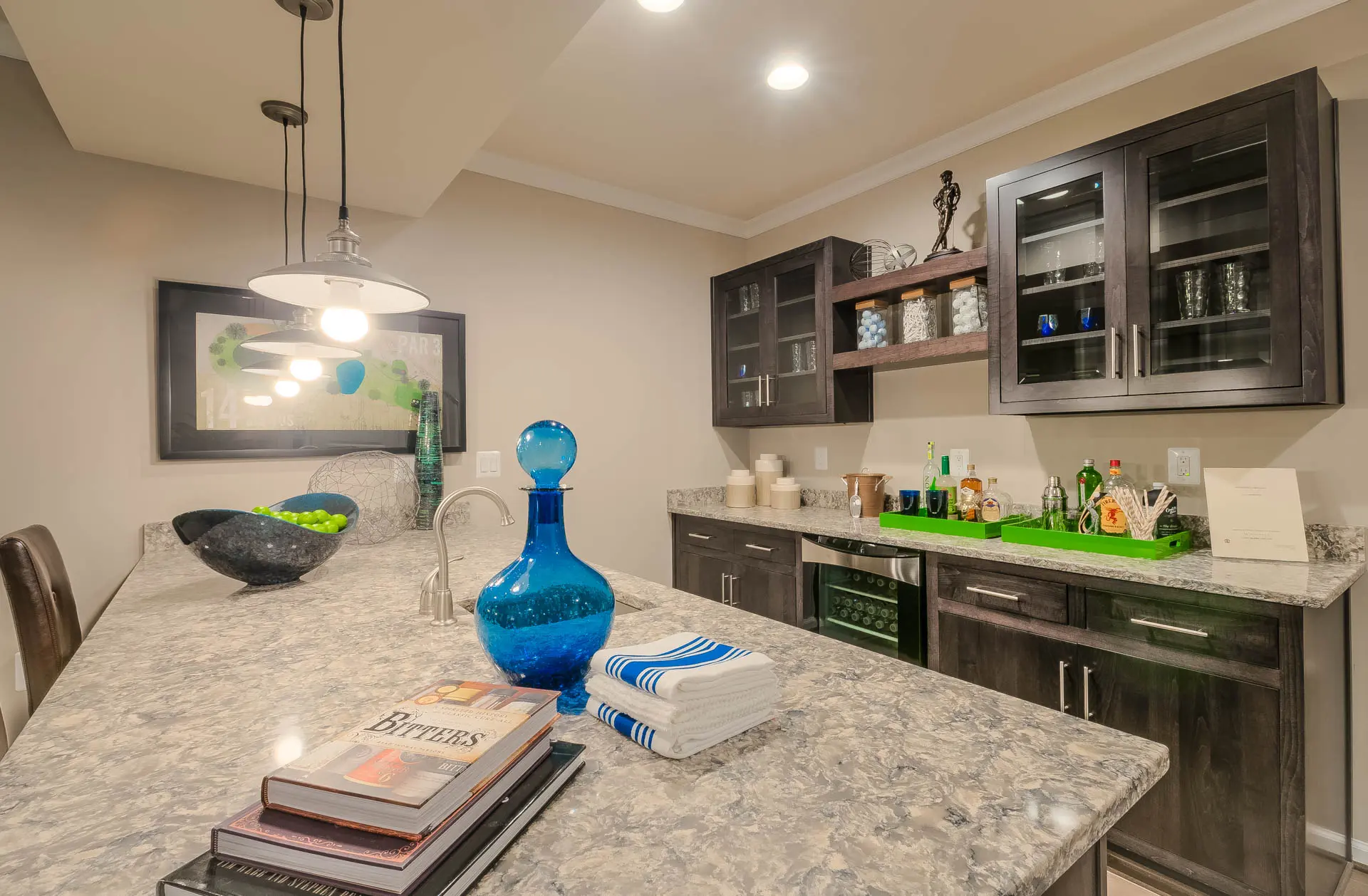
This community features beautifully designed homes in a lovely setting with a comfortable, convenient lifestyle in Loudoun County, Virginia. These homes feature first-floor owner’s suites, one-level living plans, and traditional floor plans that are sure to meet a variety of customer needs and space requirements. Also included is a yard maintenance program that handles mowing, raking, and shoveling, which allows residents the flexibility to pursue their hobbies without having to contend with time-consuming yardwork.


A former George Washington family plantation in the Harper’s Ferry District is now a signature gated community in an exquisite natural setting. Often cited as the “best place to retire in the D.C. region,” residents enjoy lower West Virginia taxes plus superior values on real estate, all within a 25-mile radius of every conceivable amenity and direct access to D.C. on the nearby MARC train.
Available lifestyle amenities: First floor owner’s suites; two-car garages; gourmet kitchens; one-level living; Yard Maintenance Program (no more mowing, raking, or shoveling); historic Washington estate home; future clubhouse and swimming pools; convenient retail within minutes.
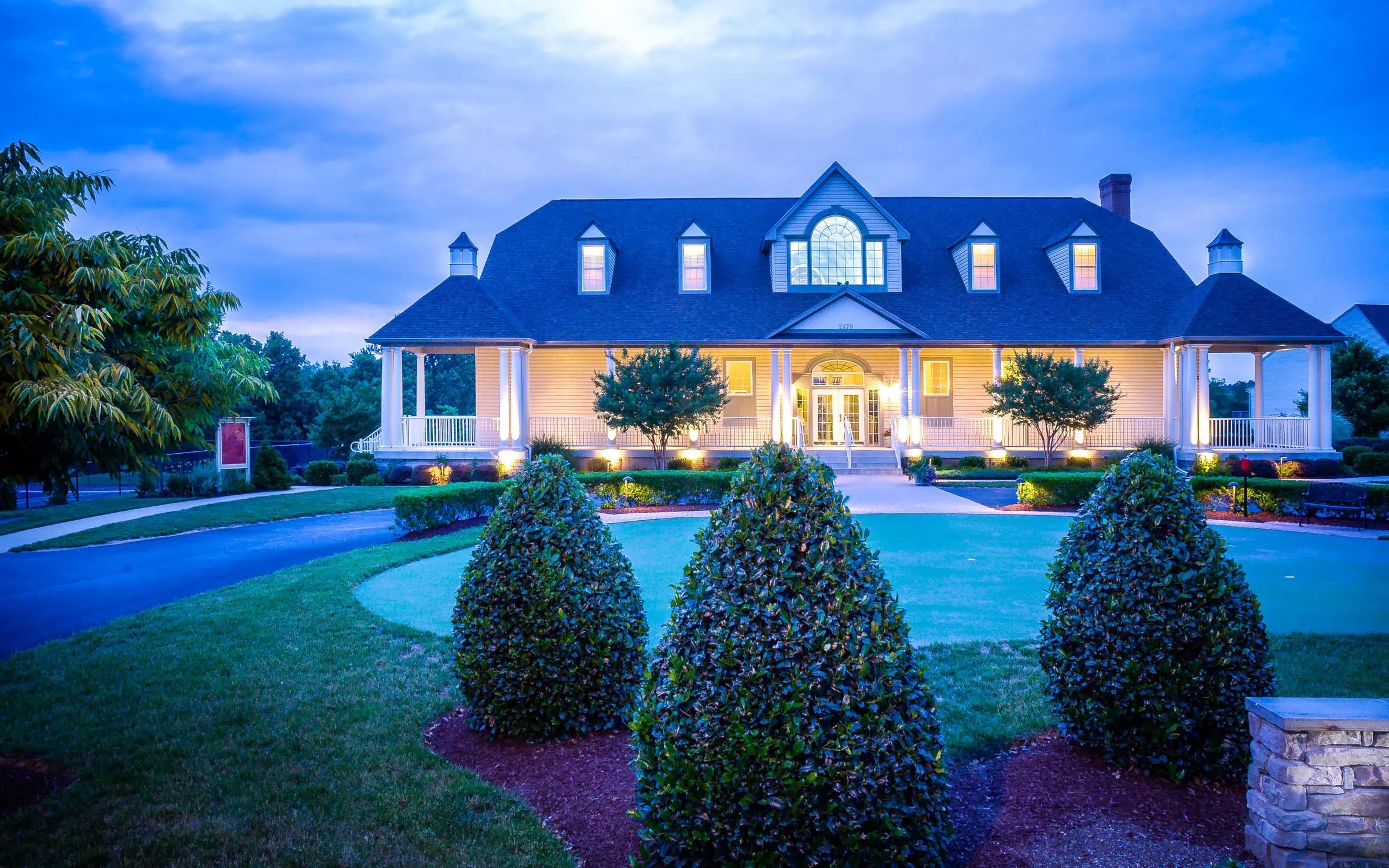
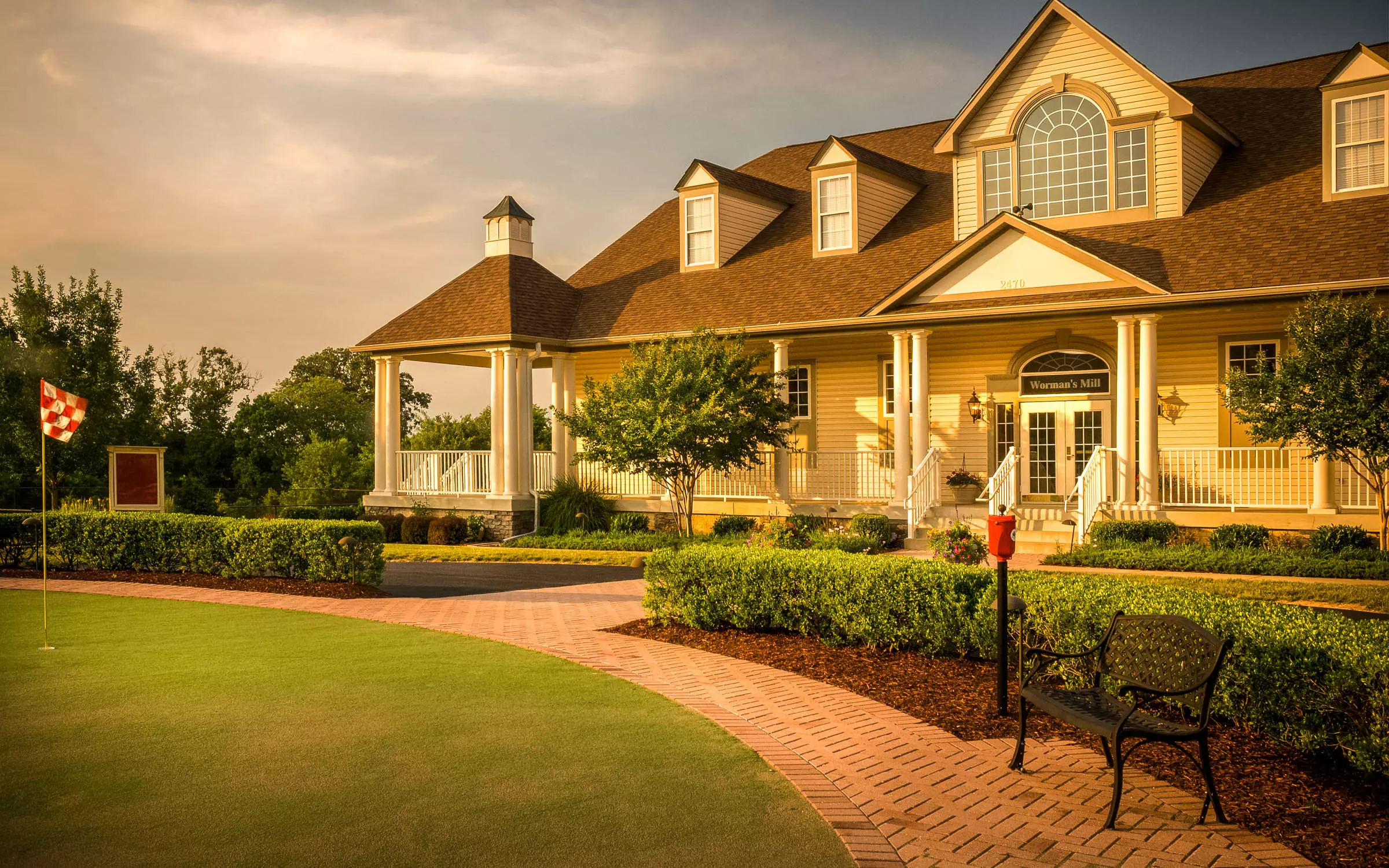
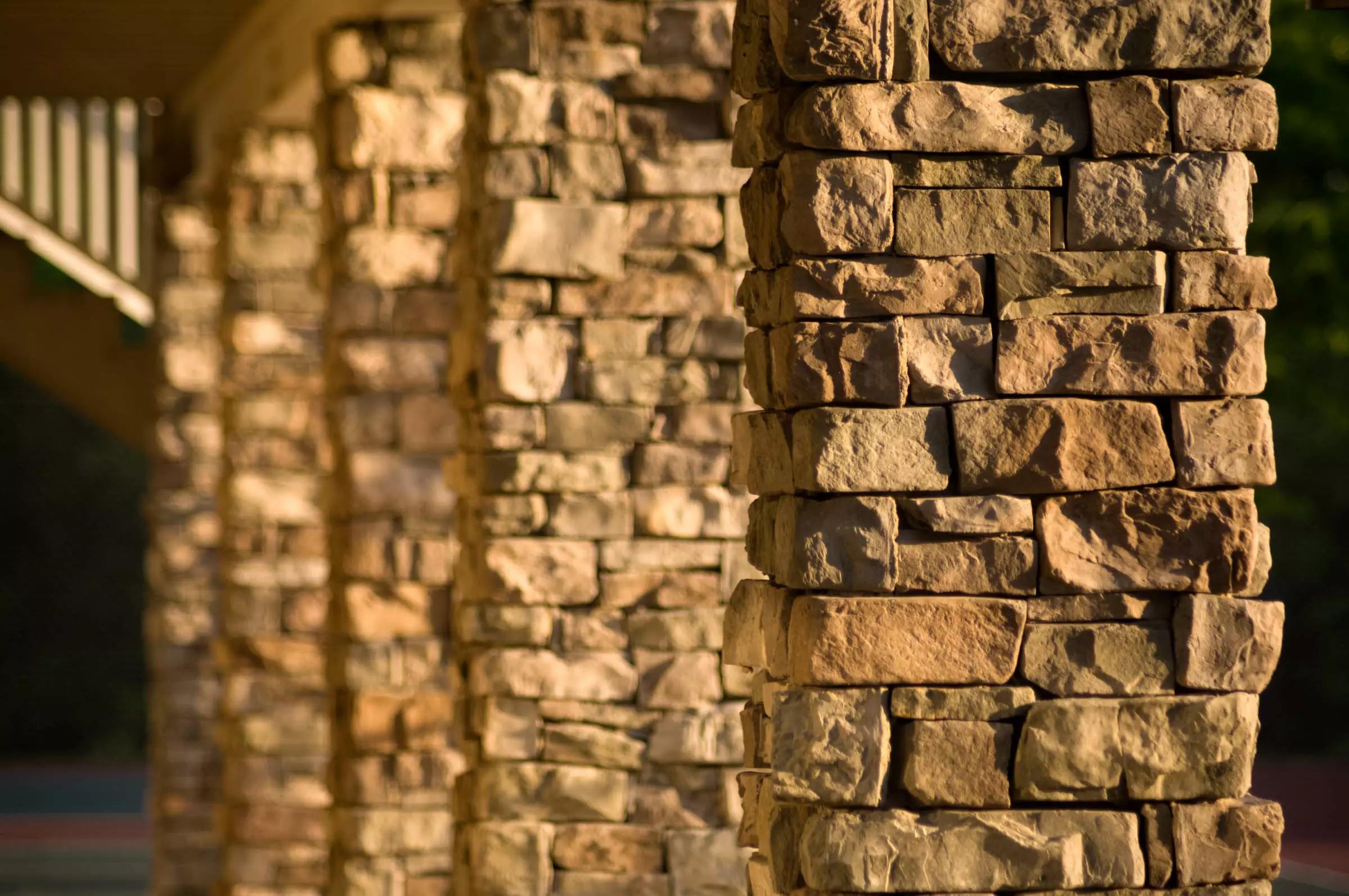
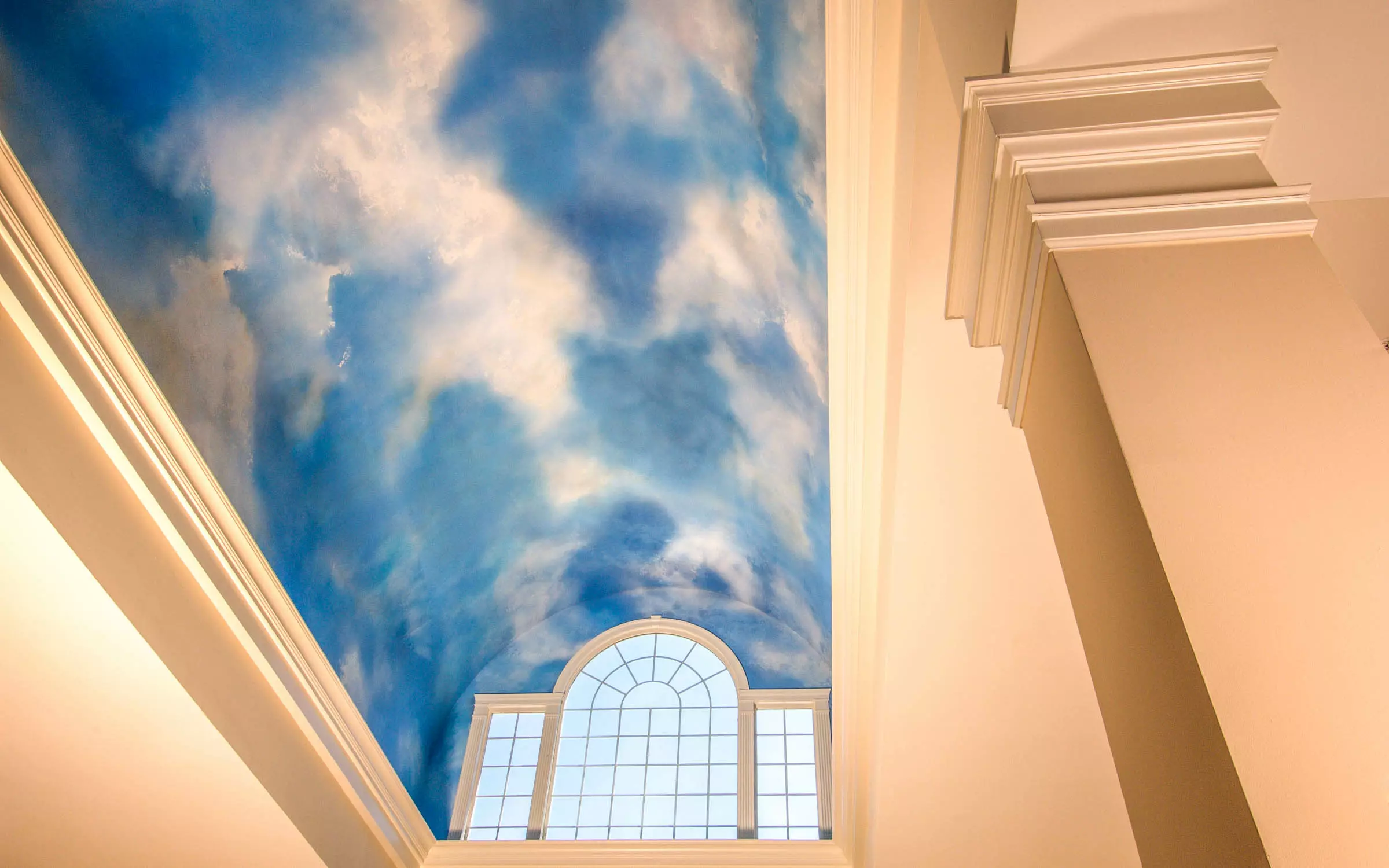

This stately clubhouse was designed and built by Wormald Commercial for over 3,000 City of Frederick residents in the community of Worman’s Mill. It is situated on a bluff overlooking the Tuscarora Stream Valley Park. It has three swimming pools, tennis courts, basketball court, playground, library, grand center hall with barrel-vaulted fresco-painted ceiling, dance and exercise studio, billiards room, and locker rooms.

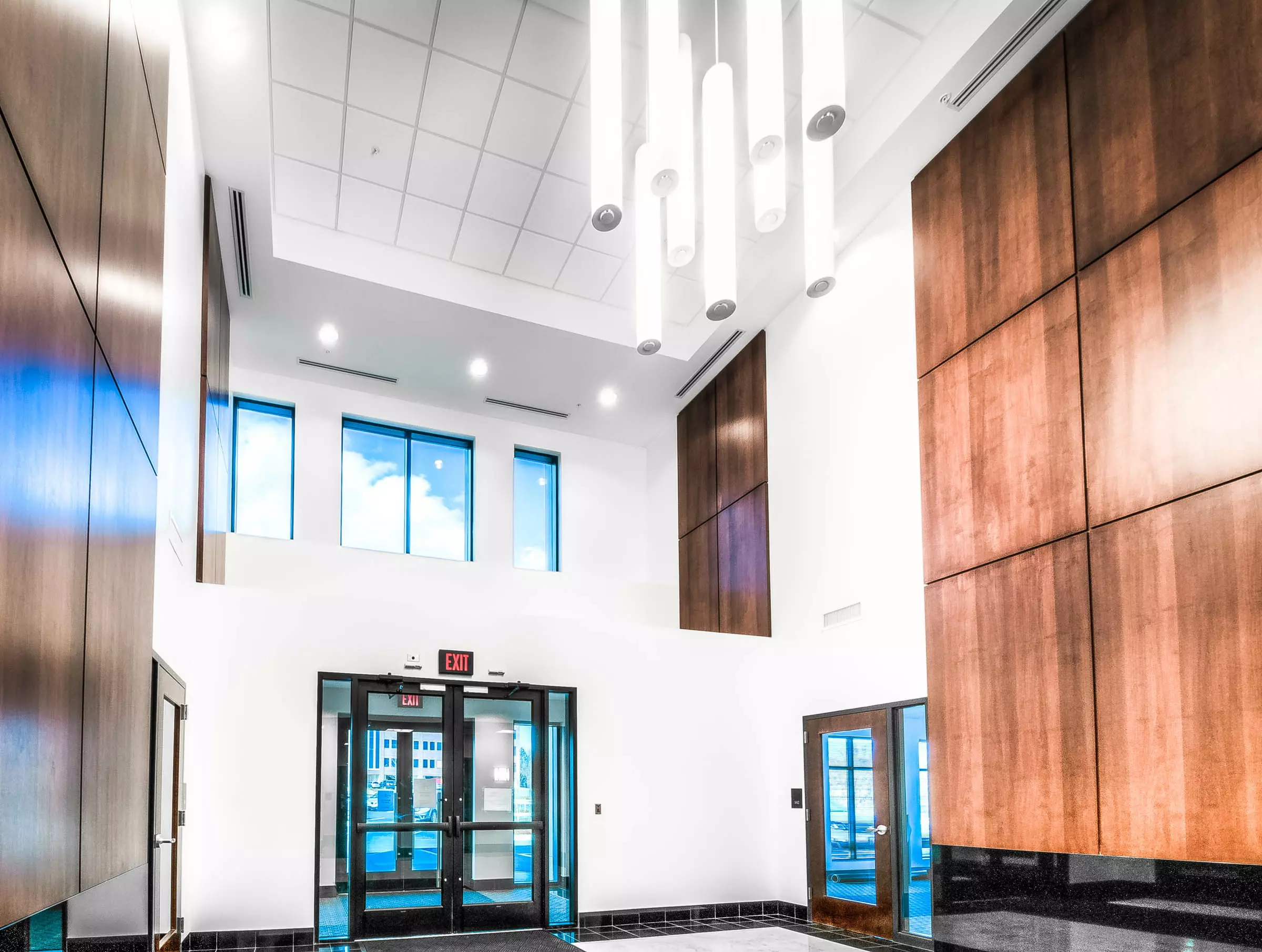
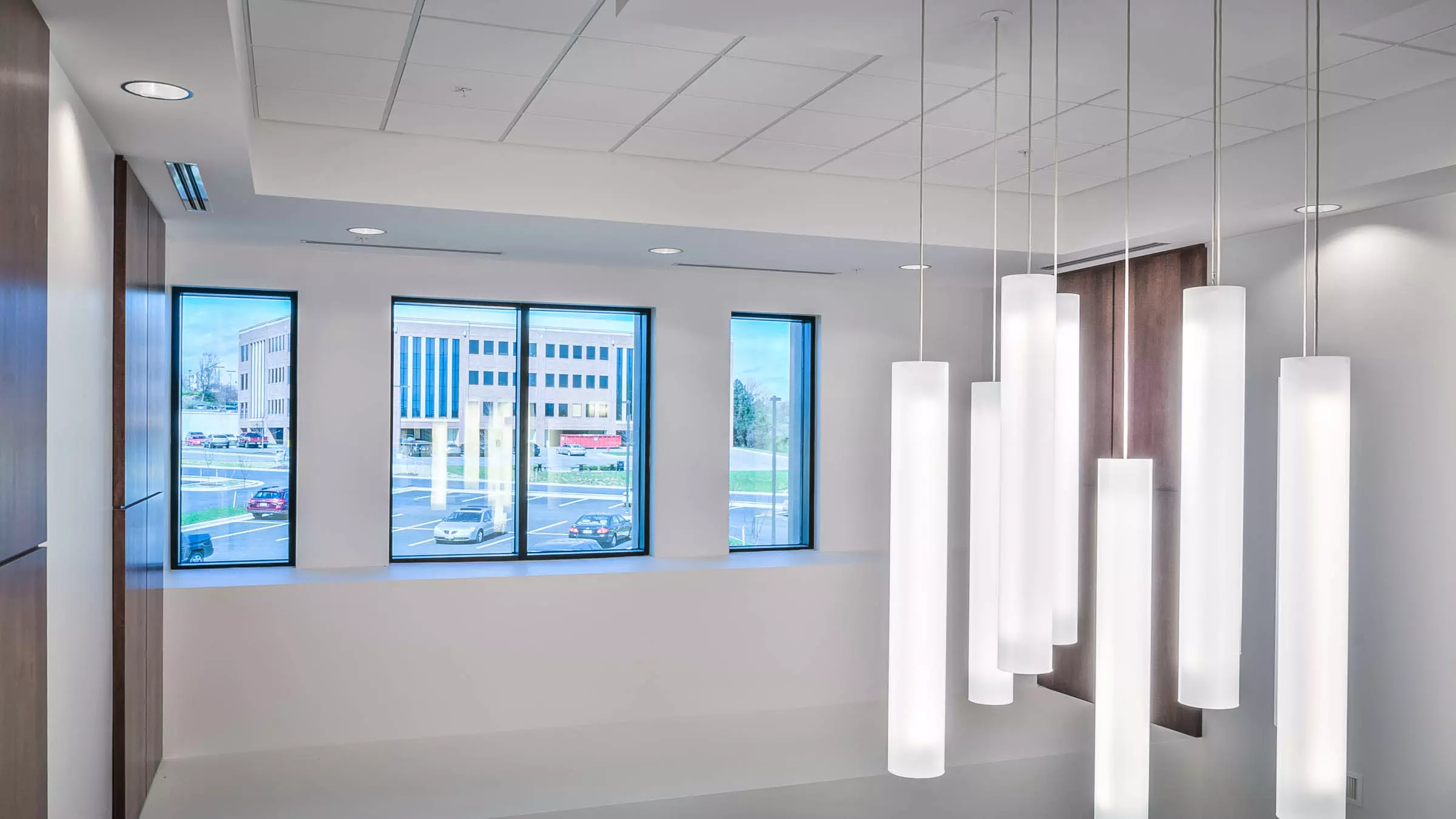

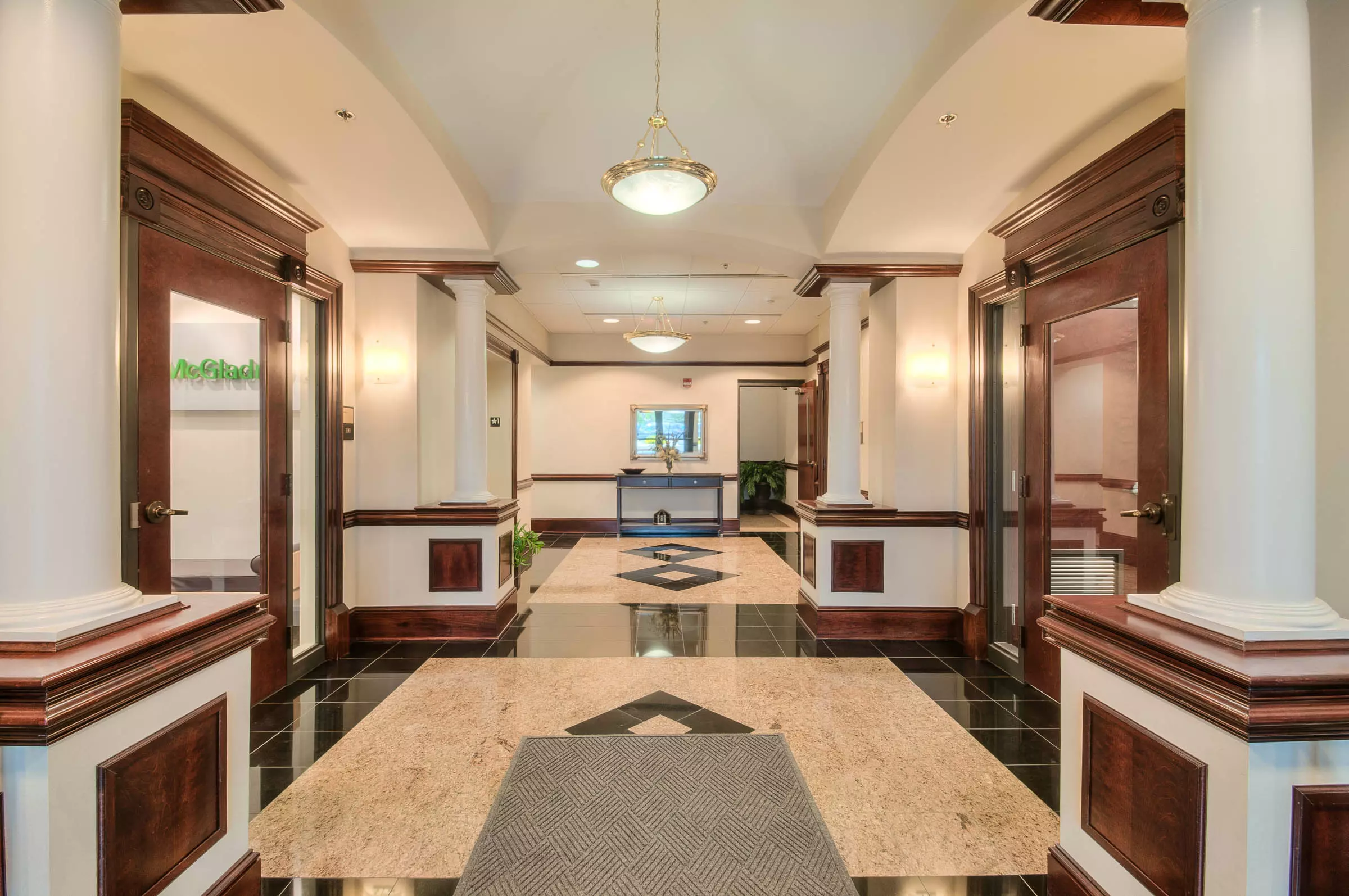


Three signature office buildings each with three stories of Class A executive space in Frederick, Maryland. Designed for professional businesses including accountants, lawyers, doctors, and other high-end tenants. Wormald Commercial designed, built, and executed all engineering, land planning and development, design and construction. Amenities include garage parking, elevators, an upscale lobby with granite flooring, arches and columns, and custom mouldings.
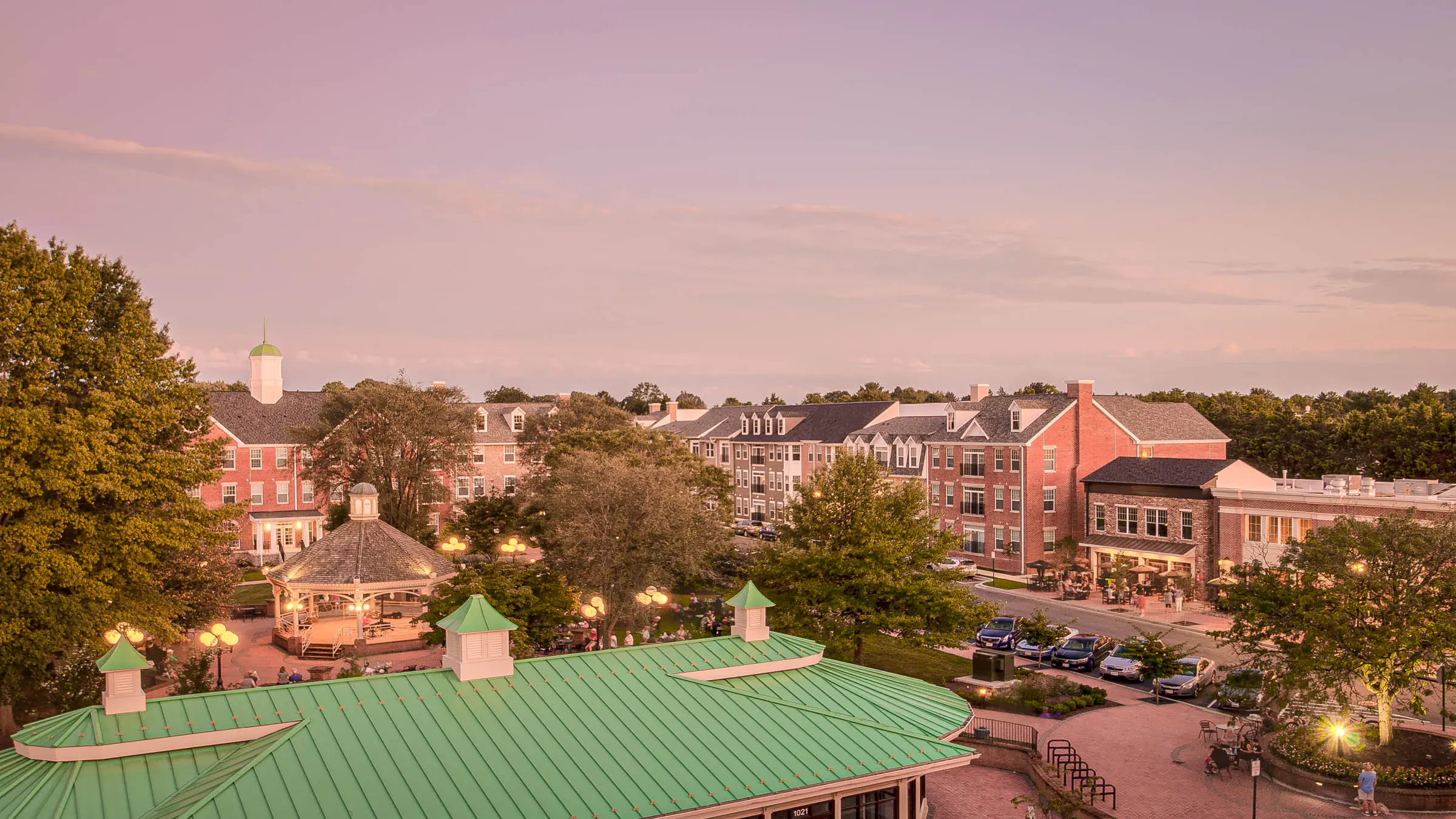
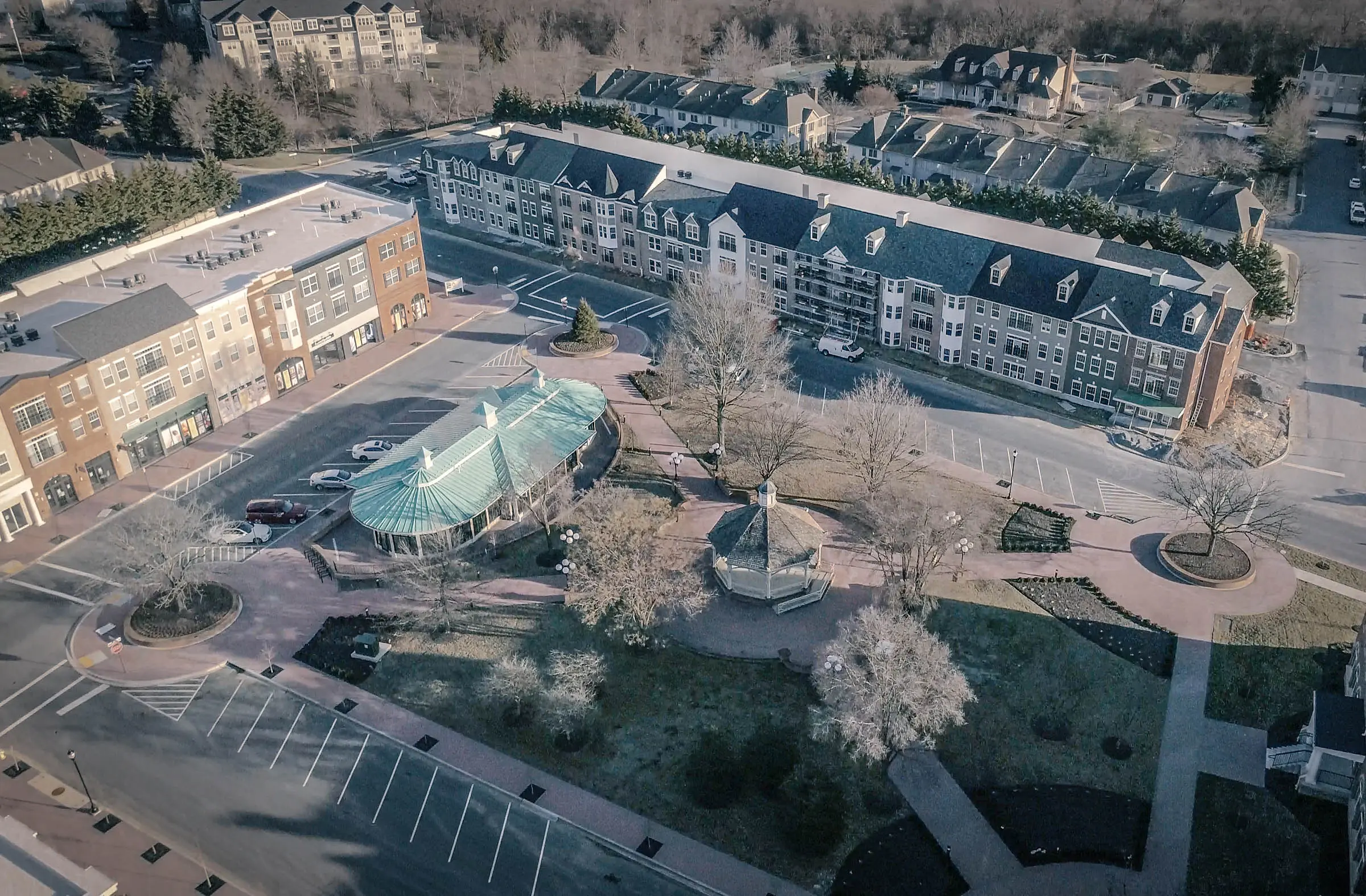
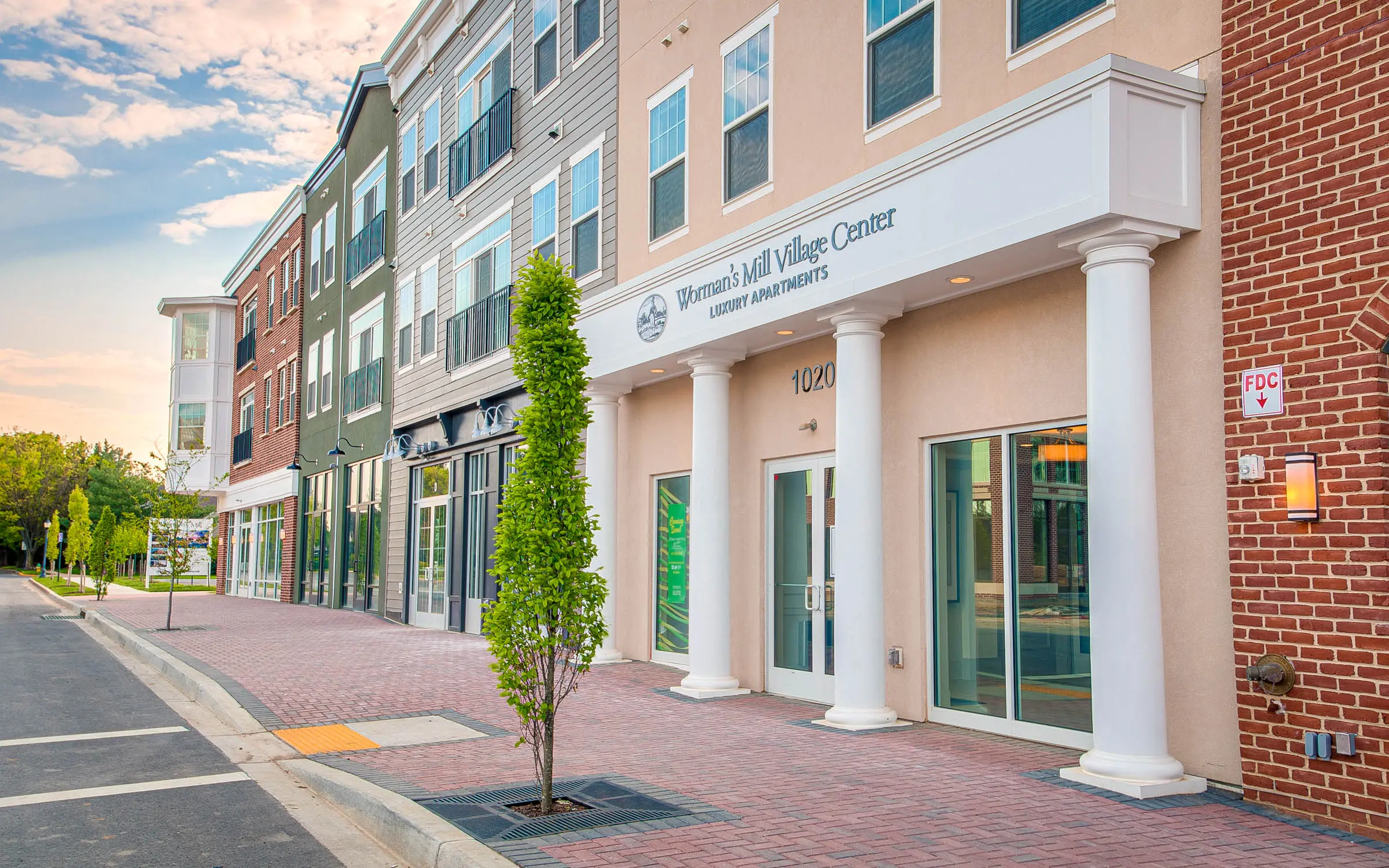
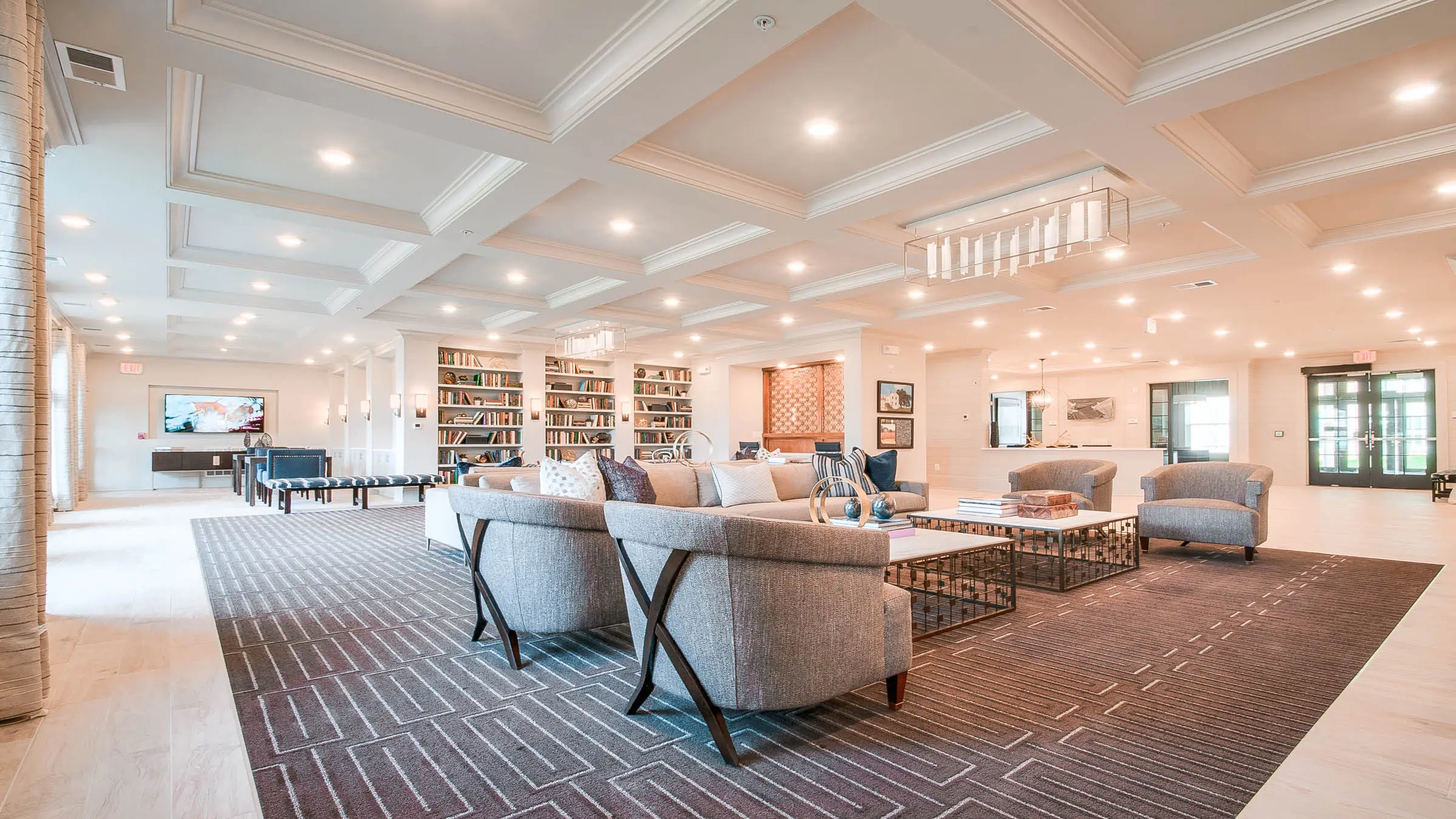
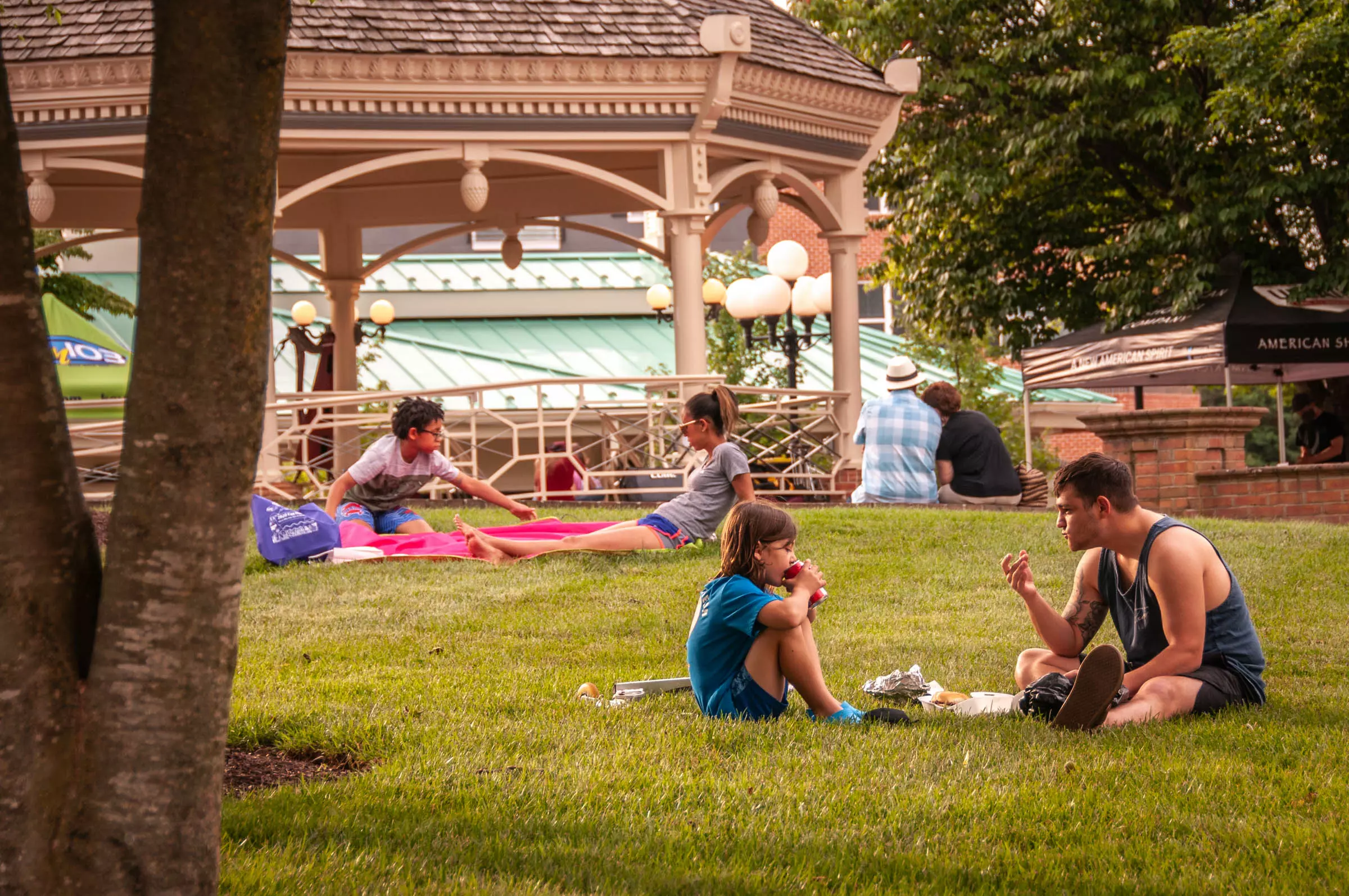

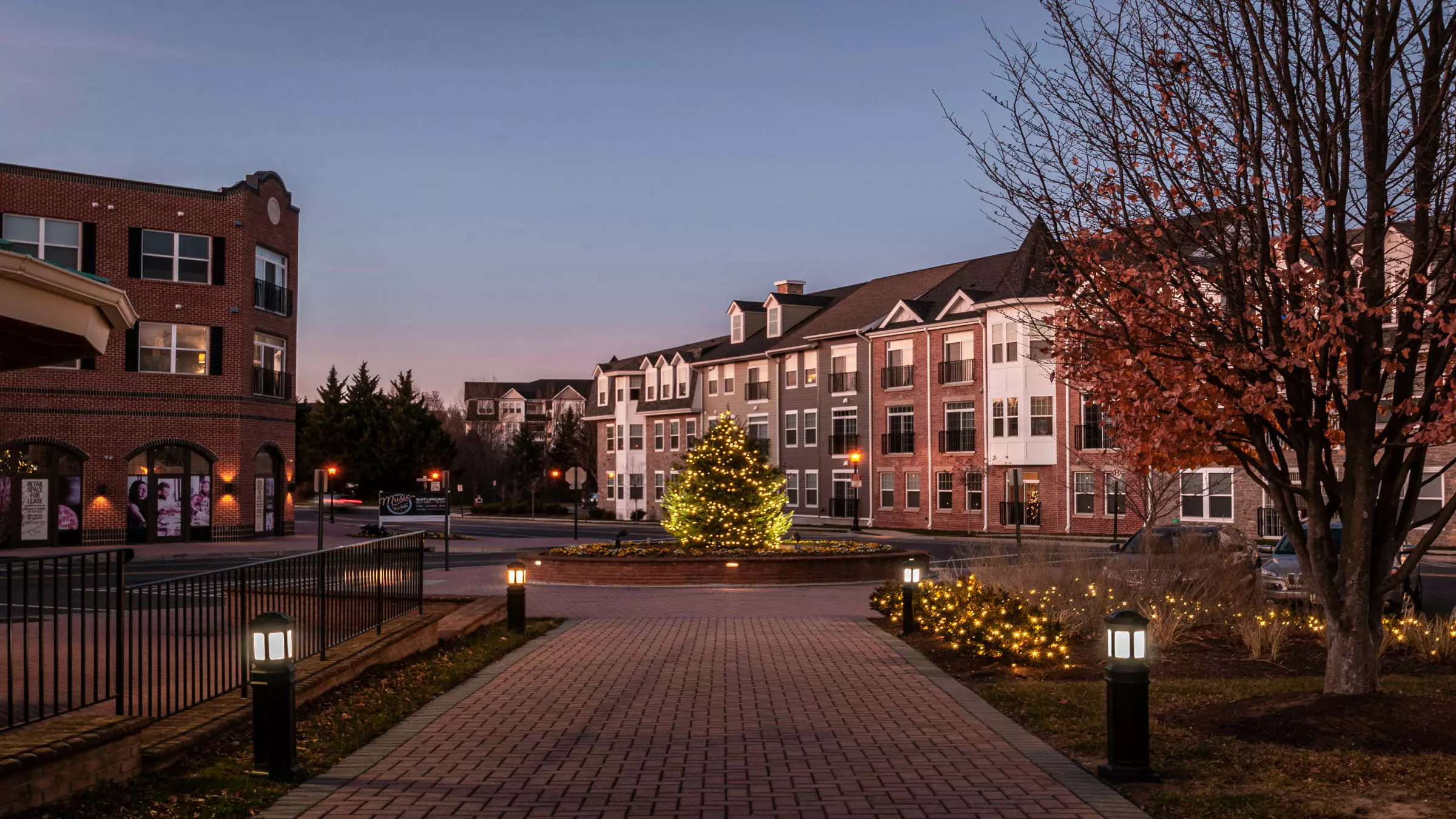

Introducing The Village at Worman’s Mill – a timeless housing for persons 55+ community in Frederick, MD offering seniors 55 and better some of the best retail and dining experiences in the City, just minutes away. Every community needs a heart, a place where the community becomes connected. At Worman’s Mill, the Village is where the magic of community spirit comes alive: Farmer’s Markets with fresh local organic produce, Summer Concerts on The Green from acoustic to symphonic trios, happy hour, coffee groups, book clubs, ice cream socials, and date night! This is where Worman’s Mill thrives.
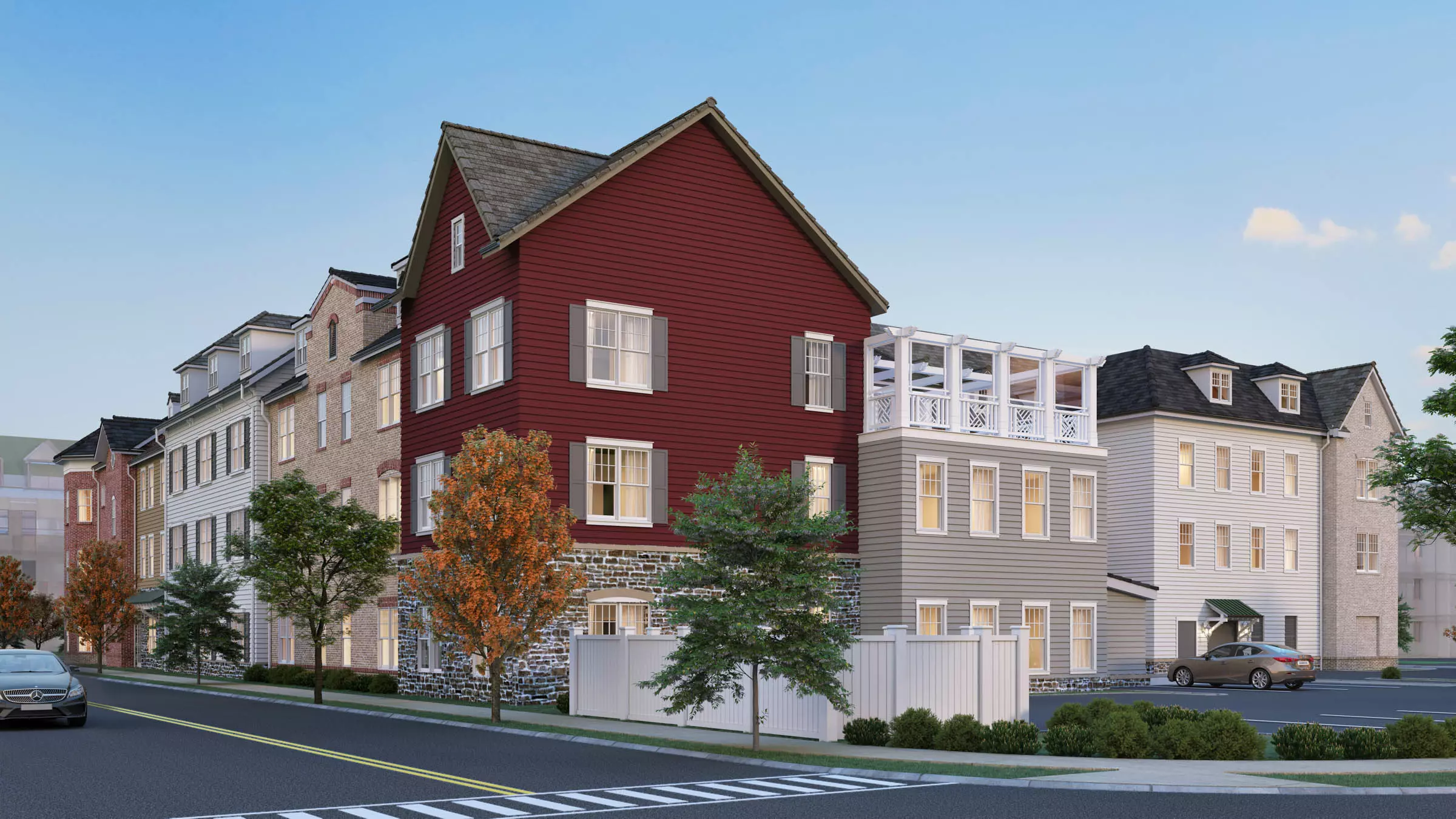
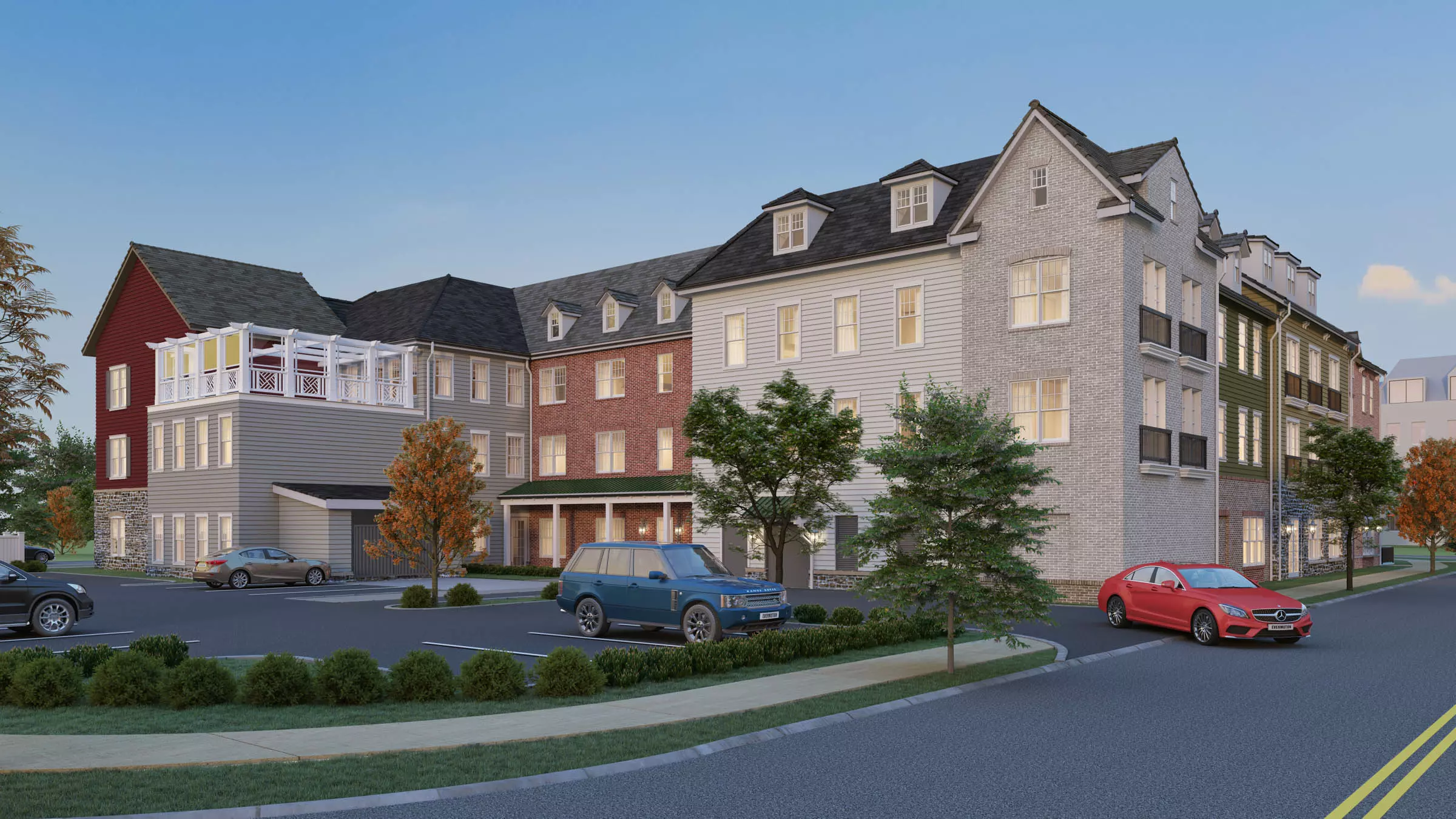
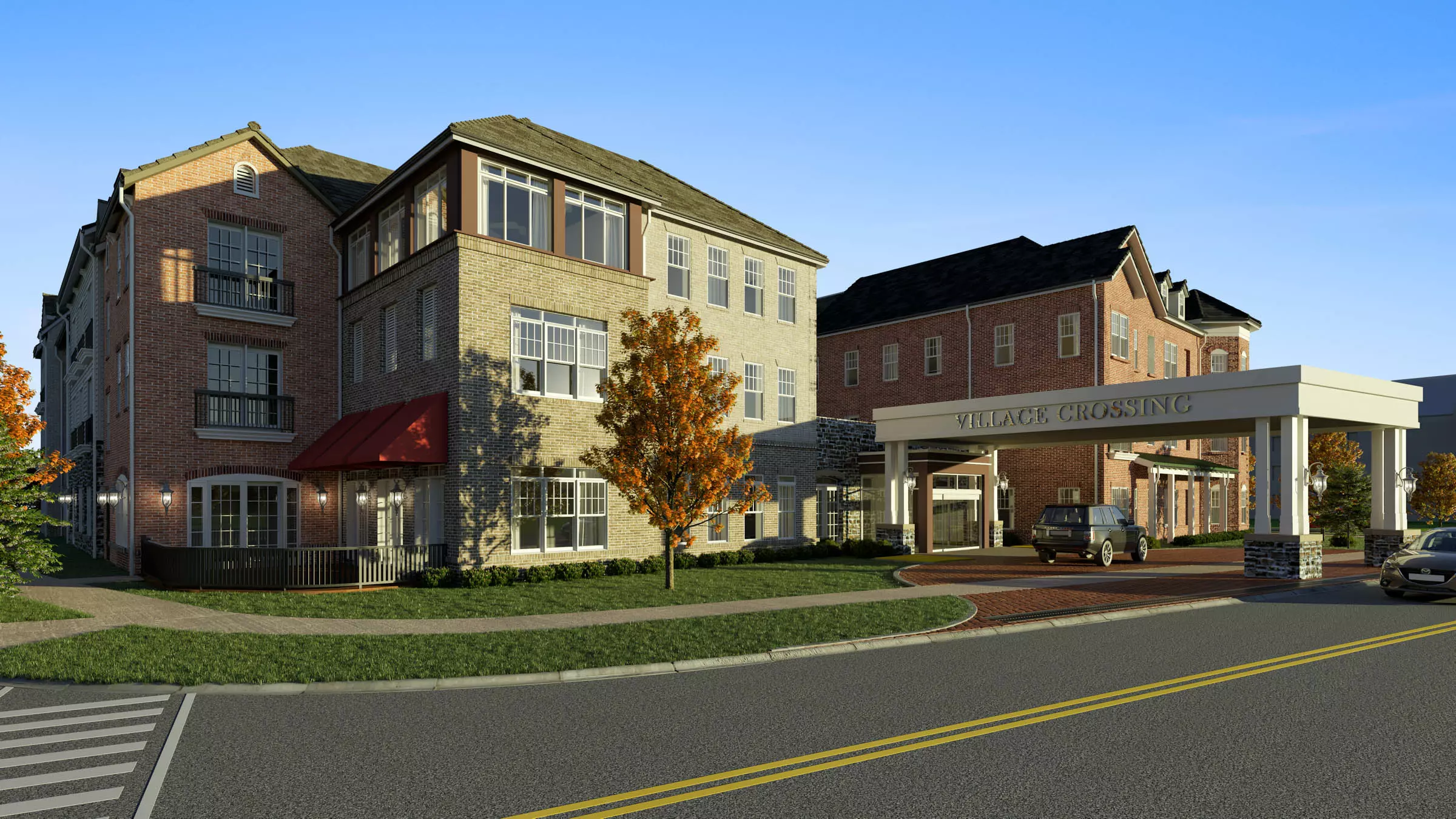
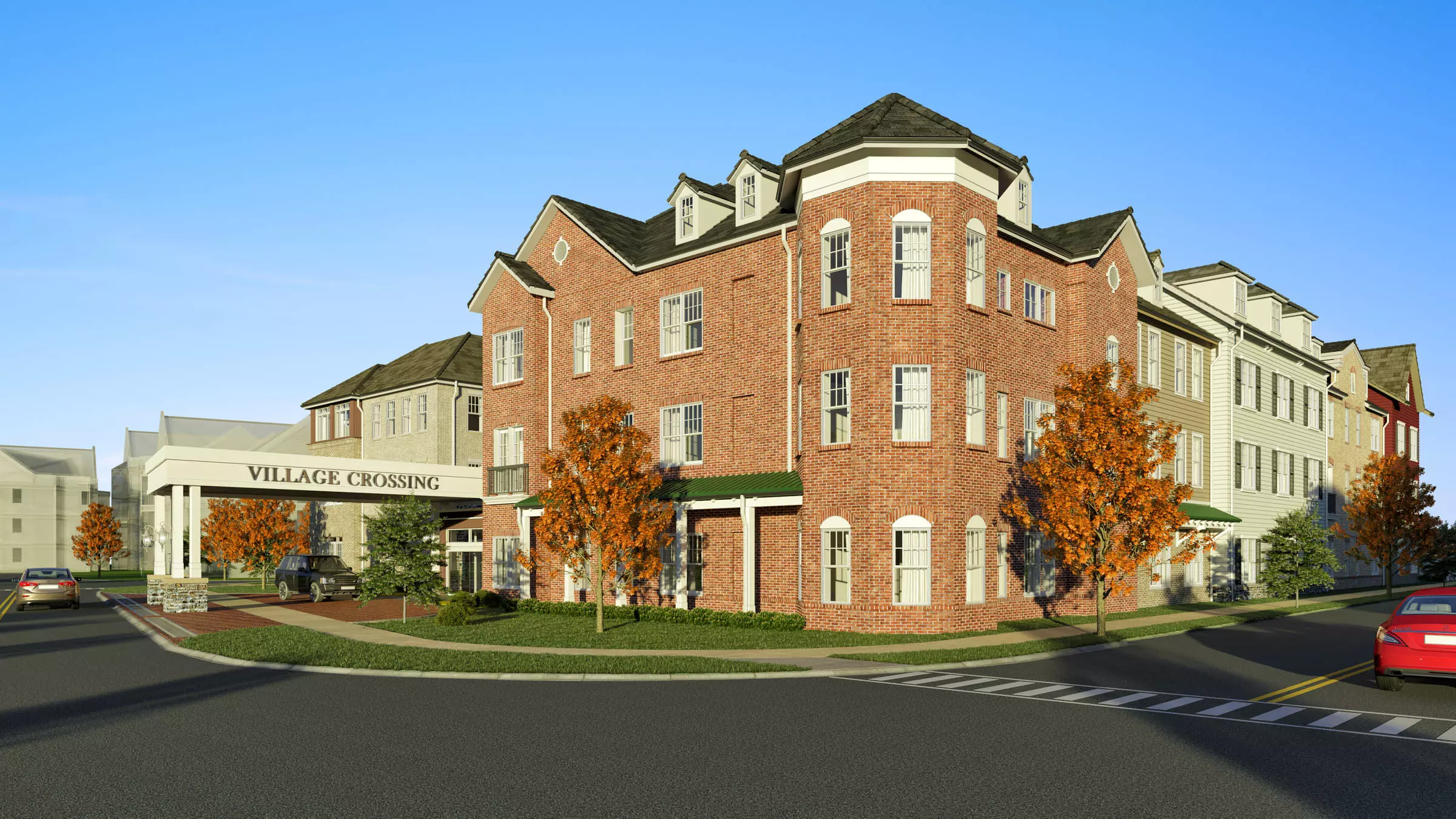
Tucked in to the exclusive Worman’s Mill Village off Route 26 and Monocacy Boulevard, this beautiful residence with private rental apartments will keep you close to the charm and bustling activity of the Village Center. Our residents will have access to all of the fine retail, dining and exciting events that The Village is known for. Residents have the privacy they want and the amenities they love. Offering a choice of studio, 1-bedroom, and 2-bedroom apartments complete with kitchenette, full bath and many other features.


• Constructed by Award Winning Wormald Companies (wormald.com)
• 6412 S.F. walkout lower level Lot in Chevy Chase near parks, shopping and more
• Approximately 4,718 Finished SF and 5,339 SF under roof
• Open floor plan with Gourmet kitchen open to Great Room. 5 Bedrooms, 4 Full Baths and 1 Powder Room
• Home office on main level plus other rooms can be used for a 2nd home office.
• Open floor plan with numerous windows that supply ample natural light
• Three levels of living with nine-foot ceilings on main and second levels; and eight-foot seven-inches in basement level (per plan)
• Open and well-lit Great Room area open to kitchen and dining (per plan)
• Grand Owner’s Suite, spacious walk-in closets and luxurious Owner’s Bath
• Five total bedrooms allowing for one or more to be home offices.
• Four full baths and a powder room
• Wide plank Oak hardwood flooring on first level and second level master bedroom and hall
• Upgraded carpet with 8lb padding in remaining bedrooms, and in basement
• Designer selected interior lighting fixtures and extensive recessed lighting throughout (per plan)


This home features 5 bedrooms with walk-in closets, 4 full baths and powder room. Large windows allow sun to stream into the home. The main level is designed to accommodate your lifestyle with formal and casual dining areas, formal living room and casual great room with gas fireplace, spacious study with glass doors. The kitchen is a dream with large center island, stainless steel appliances, upgraded cabinets, quartz countertops and large pantry. Luxury Primary Suite with sitting room and huge walk-in closets, a must-see bath with oversized walk-in shower, free-standing tub, changing area, two vanities with quartz countertops. There is another bedroom with a walk-in closet and it's own private bath. Two additional bedrooms with walk-in closets share a full bath. Enjoy the convenience of a spacious laundry on the bedroom level. The lower level features a mudroom, fifth bedroom and fully-finished Recreation Room with wet bar.

Constructed by The Wormald Companies with a commitment to Excellence & a Full Warranty Program **
6056 Square Foot Lot **
Approximately 4437 Finished SF; 4711 SF under roof **
Covered Front Porch & Deck **
2-Car garage with adjacent mud room with cubbies **
5 Bedrooms, 4 Full Baths, 1 Powder Room **
Main level contains Home Office, Formal Dining Room, Great Room with fireplace, open to the Kitchen & Family Dining. **
Gourmet Kitchen with quartz countertops & Bosch stainless steel appliances **
Grand Owner’s Suite with tray ceiling, dual walk-in closets & luxurious Owner’s Bath **
Basement with Rec Room, Wet Bar, 5th Bedroom & more!


• Designed and Constructed by Award Winning Wormald Companies (wormald.com)
• 6679 S.F. Lot in Bethesda’s Wyngate neighborhood near parks, shopping and more
• Approximately 4418 SF Finished and 5210 SF under roof
• Open floor plan with 5 Bedrooms, 4 Full Baths and 1 Powder Room
• Home Office plus ample rooms for a second
• Expansive Basement with Lg. Rec/game-room, Flex Rm (Home Office, Exercise, Play), Bedroom and Full Bath
• 2 car Garage with adjacent Mud Room
• Covered Front Porch, Rear Deck/Patio
• Dramatic Quartz top island with accent cabinets below and Pendant lights above.
• Thermador stainless steel appliances,
• Painted cabinets;
• Pantry storage conveniently located by kitchen
• Open floor plan with numerous windows that supply ample natural lighting
• Three levels of living with nine-foot ceilings on main and second levels; and eight-foot seven-inches in basement level (per plan)
• Open and well-lit Great Room area open to kitchen and dining (per plan)
• Grand Owner’s Suite, spacious walk-in closets and luxurious Owner’s Bath
• Five total bedrooms, most with walk-in-closets

Welcome to 9508 Page Avenue! This is the home you have been waiting for! Located in the heart of the coveted Page Hill area of Bethesda, MD is this beautifully built 5 bedroom, 4 bath Transitional Craftsman home with an attached two car garage. The moment you open the front door you will feel this home's happy vibe. A truly stunning chefs' kitchen with Thermador stainless steel appliances, a dramatic oversized quartz center island with pendant lights above, Painted cabinets, beverage center w/ below counter beverage fridge, convenient access to rear deck from kitchen, the ideal spot for morning coffee or easy cookouts! Adjacent is the family room, with beamed coffered ceiling and a fireplace, perfect for movie nights. The oversized dining room flows seamlessly into the living room with a welcoming entry hall. A powder room, mudroom and w/in pantry round out the 1st floor. The 2nd floor features a primary bedroom, walk in closet, and an exquisite bath. Along with 3 additional bedrooms, en-suite, hall bath. A fully finished lower level, includes a large recreation room, fifth bedroom, full bath, and exercise room/home office. A rare find from an award winning builder!


American Signature Properties, by Wormald, presents this 5,102 square foot under roof home near Metro, parks, shopping and so much more. Featuring 6 bedrooms, 5 full baths and 1 half bath, this home is sure to amaze! The main level boasts a formal Living room, as well as, a Great room with fireplace and coffered ceilings. A formal Dining room, Gourmet Kitchen with Breakfast room, completes the main level. The Gourmet Kitchen will have quartz countertops, stainless steel Thermador appliances and beverage center, with below counter beverage cooler. The lower level has a large Recreation room with a bar, a home office/exercise room and a bedroom with full bath. Upstairs you will find 3 large bedrooms, one with private bath, the other shared, Laundry and a Primary Suite that is sure to impress! It has a massive walk-in closet and a luxurious bathroom en suite, with soaking tub and walk-in shower. The Third floor has a loft, a full bathroom, option of a bedroom or second home office.

American Signature Properties by Wormald presents this 5 Bedroom, 4 1/2 Bath home. The main level provides an open floor plan with Family Room, Gourmet Kitchen with stainless steel appliances and large walk in pantry. Formal Dining Room and Home Office. The basement has a large Recreation Room with a dry Bar, Exercise Room, Full Bath, 5th Bedroom, Finished Storage Room, and more! The second floor contains a Laundry Room and 4 bedrooms including the Owner's Suite with tray ceiling, two walk-in closets, and a luxurious Owner's Bath.

American Signature Properties by Wormald presents this 4,328 square foot under roof home near Metro, parks, shopping and so much more. Featuring 5 bedrooms, 5 full baths and 1 half bath, this home is sure to amaze! There are two options for home offices one on the third floor and one in the basement. The Main Level boasts a Great Room with a fireplace, Dining and Gourmet Kitchen. The Gourmet Kitchen will have quartz countertops, stainless steel Thermador appliances and beverage center with below counter beverage cooler. The basement has a large Recreation Room with a bar, a bedroom and full bathroom. Each bedroom on the second level has its own bathroom. The Master Bedroom is no exception! It has a massive walk-in closet and a luxurious bathroom with soaking tub and walk-in shower. The Third Floor has a loft, a full bathroom, option of a bedroom or office and access to a Covered Roof Terrace.

American Signature Properties by Wormald presents this 3,996 finished square foot home just a short walk from Fleming Park. This home boasts 5 bedrooms, 4½ baths, a two car garage with adjacent Mud Room, Office on the first floor with additional options for a second office on either the lower level or second floor. The Main Level has an Open Concept Great Room with a fireplace, Gourmet Kitchen and Informal Dining area. The kitchen is complete with quartz countertops, Bosch stainless steel appliances, and walk-in Pantry. The Master Bedroom has two walk-in closets and luxurious Master Bathroom. The Lower Level boasts a large Recreation Room, a fifth bedroom, full bathroom and storage.


American Signature Properties by Wormald presents this beautiful 5 Bedroom, 4 1/2 Bath home on an 6,661 square foot lot. The main level provides an open floor plan with Family Room, Gourmet Kitchen with stainless steel appliances will delight any Chef! A Formal Dining Room and Home Office completes this smart layout. The basement has a large Recreation Room with a Wet Bar, Finished Storage Room, and more! The second floor contains a Laundry Room and 4 bedrooms including the Owner's Suite with tray ceiling, two walk-in closets, and a luxurious Owner's Bath.

American Signature Properties by Wormald presents this 5 Bedroom, 4 1/2 Bath home on an 6,736 square foot lot. The main level provides an open floor plan with coffered ceiling in the Family Room, Gourmet Kitchen with stainless steel appliances, Formal Dining Room, Home Office #1, and access to a rear deck. The basement has a large Recreation Room, Fitness Room, Wet Bar, Home Office #2 and more! The second floor contains a large Laundry Room and 4 bedrooms including the Owner's Suite with tray ceiling, two walk-in closets, and a luxurious Owner's Bath.

American Signature Properties by Wormald presents this 5 Bedroom, 4 1/2 Bath home on a 5,470 square foot lot. The main level provides an open floor plan, Parlor, Formal Dining Room, Gourmet Kitchen with stainless steel appliances and access to a rear deck. The basement has a large Recreation Room, Game Area, Exercise Room and more! The second floor contains 4 bedrooms including the Owner's Suite with tray ceilings, two walk-in closets, and a luxurious Owner's Bath.

American Signature Properties by Wormald presents this 5 Bedroom, 4 1/2 Bath home on a 6,420 square foot lot. The main level provides an open floor plan, Study and Gourmet Kitchen with stainless steel appliances. The basement has a large Recreation Room, Game Room, Exercise Room, Wet Bar and more! The second floor contains a large Laundry Room, 4 bedrooms including the Owner's Suite, two walk-in closets, and a luxurious Owner's Bath.

American Signature Properties by Wormald presents this 6 Bedroom, 5 1/2 Bath home on a 6,822 square foot lot. The main level provides an open floor plan, Home Office or Den, Formal Dining, Gourmet Kitchen with stainless steel appliances and access to a rear deck. The basement has a large Recreation Room, Wet Bar and more! The second floor contains a Laundry Room, 4 bedrooms including the Owner's Suite with tray ceilings, two walk-in closets, and a luxurious Owner's Bath. The Attic Loft has another bedroom, full bath and another Family Area.

American Signature Properties by Wormald presents this 5 Bedroom, 5 1/2 Bath home on a 5,086 square foot lot. The main level provides an open floor plan, Formal Dining Room, Gourmet Kitchen with stainless steel appliances and access to a rear deck & patio. The basement has a large Recreation Room, Wet Bar and more! The second floor contains 3 bedrooms including the Owner's Suite with tray ceilings, two walk-in closets, and a luxurious Owner's Bath. The Attic Loft contains another bedroom, full bath and an additional sitting area.

American Signature Properties by Wormald presents this 5 Bedroom, 4 1/2 Bath home on a 6,353 square foot lot. The main level provides an open floor plan, Home Office, Gourmet Kitchen with stainless steel appliances and access to a rear patio. The basement has a large Recreation Room, Wet Bar, access to the two-car garage and more! The second floor contains 4 bedrooms including the Owner's Suite with tray ceilings, two walk-in closets, and a luxurious Owner's Bath.

American Signature Properties by Wormald presents this 5 Bedroom, 4 1/2 Bath home on a 6,353 square foot lot. The main level provides an open floor plan, Home Office, Gourmet Kitchen with stainless steel appliances and access to a rear patio. The basement has a large Recreation Room, Wet Bar, access to the two-car garage and more! The second floor contains 4 bedrooms including the Owner's Suite with tray ceilings, two walk-in closets, and a luxurious Owner's Bath.
Find a New Home You’ll Love
-
![The Grove]()
The Grove
From the $1Ms
Townhomes in Montgomery County, MD -
![Rosehaven]()
Rosehaven
From $799,900
Single Family Homes in Frederick County, MD -
![Beallair Modern Farmhouse Collection]()
Beallair Modern Farmhouse Collection
From the upper-$400s
Single Family Homes in Jefferson County, WV -
![Bennett Preserve]()
Bennett Preserve
From the $1Ms
Single Family Homes in Frederick County, MD -
![The Mount Vernon Collection at Beallair]()
The Mount Vernon Collection at Beallair
From the low-$500s
Single Family Homes in Jefferson County, WV -
![Fairfax County, VA]()
Signature Properties in Fairfax County, VA
Vienna, Falls Church
-
![Montgomery County, MD]()
Signature Properties in Montgomery County, MD
Bethesda, Chevy Chase, Kensington
-
![Signature Properties by Wormald]()
Signature Properties
Single Family Homes in DC/Metro Area
-
![The Village at Worman's Mill]()
Village Center at Worman’s Mill
Apartments in Frederick, MD
-
![EastChurch]()
EastChurch
—
Townhomes in Frederick County, MD -
![Wild Oak]()
Wild Oak
—
Single Family Homes in Montgomery County, MD -
![Quarry Springs]()
Quarry Springs
—
Townhomes in Montgomery County, MD -
![Landsdale]()
Landsdale
—
Single Family Homes in Frederick County, MD -
![Grand Chateau Residences]()
Grand Chateau Residences
—
Townhomes in Frederick County, MD -
![The River View Estates at Worman’s Mill]()
The River View Estates at Worman’s Mill
—
Single Family Homes in Frederick County, MD -
![The French Country Collection at The Links]()
The French Country Collection at The Links
—
Single Family Homes in Adams County, PA -
![River Place Townhomes]()
River Place Townhomes
—
Townhomes in Frederick County, MD -
![The Grand Manor Collection at Spring Hollow]()
The Grand Manor Collection at Spring Hollow
—
Single Family Homes in Frederick County, MD -
![The City Home Collection at Crown]()
The City Home Collection at Crown
—
Single Family Homes in Montgomery County, MD -
![The Estate Home Collection at Crown]()
The Estate Home Collection at Crown
—
Single Family Homes in Montgomery County, MD -
![The Georgetown Collection at EastChurch]()
The Georgetown Collection at EastChurch
—
Townhomes in Frederick County, MD




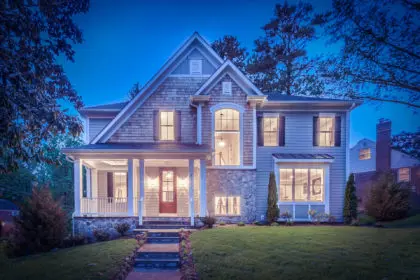
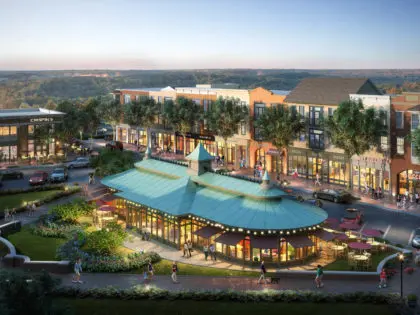
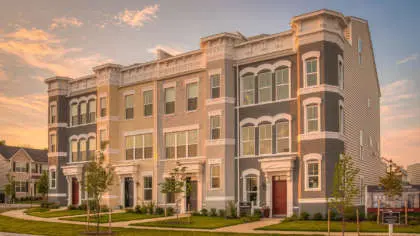
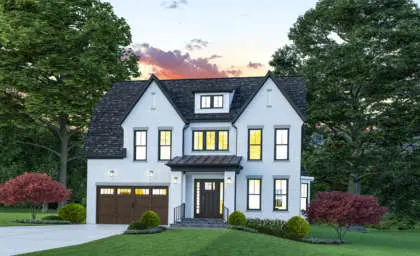
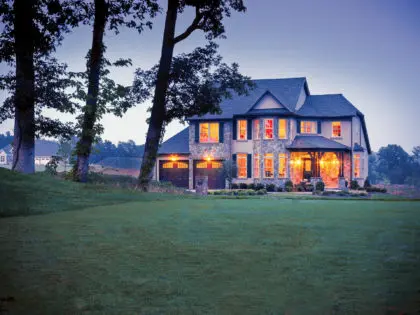
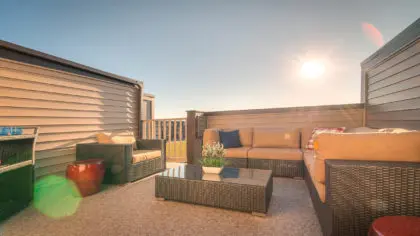
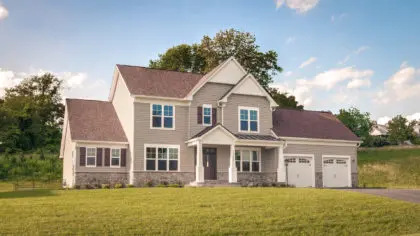
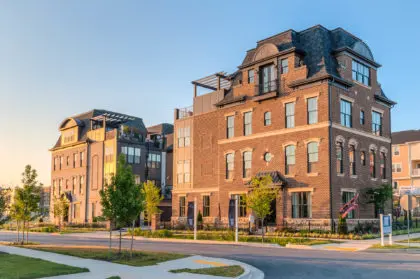
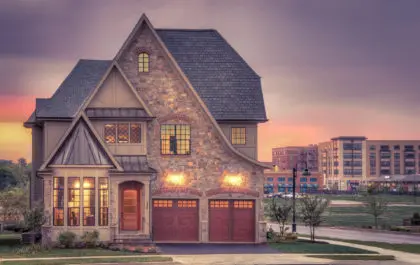
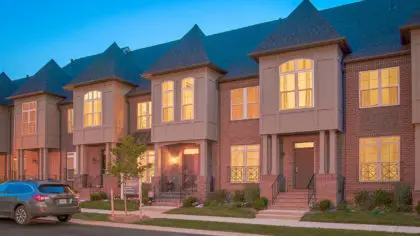
The Grove
| Hours | Open daily 11 AM - 5 PM or by appointment |
|---|---|
| Phone | |
| [email protected] | |
| Sales |
Calculating Distance …
Sales Office177 Kentlands Blvd Gaithersburg, MD 20878 |
| Community |
Community Location Blackwell Rd & Great Seneca Hwy Rockville MD, 20850 |
Rosehaven
| Hours | Open daily 11 AM to 5 PM. |
|---|---|
| Phone | |
| [email protected] | |
| Address |
Calculating Distance …
8774 Rosehaven LnFrederick, MD 21701 |
Beallair Modern Farmhouse Collection
| Hours | Open daily 11 am to 5 pm |
|---|---|
| Phone | |
| [email protected] | |
| Address |
Calculating Distance …
73 Claymont Hill StCharles Town, WV 25414 |
Bennett Preserve
| Hours | By Appointment Only |
|---|---|
| Phone | |
| [email protected] | |
| Sales |
Calculating Distance …
Sales Office8774 Rosehaven Ln Frederick, MD 21701 |
| Community |
Community Location 10107 Lewisdale Rd Ijamsville, MD 21754 |
Call for more information.
Learn MoreThe Mount Vernon Collection at Beallair
| Hours | Open daily 11 am to 5 pm |
|---|---|
| Phone | |
| [email protected] | |
| Address |
Calculating Distance …
73 Claymont Hill StCharles Town, WV 25414 |
Sold Out!
EastChurch
| Address |
Calculating Distance …
1110 Holden RdFrederick, MD 21701 |
|---|
From I-270, merge N to Frederick, MD. Take exit 32 to merge onto I-70 E towards Baltimore. Take exit 54 for MD 85 toward Downtown Frederick/Buckeystown MD 355. Keep left at the fork and merge onto S. East Street. At the traffic circle take 2nd exit and stay on S. East Street. Turn right onto EastChurch. Turn left onto Brengle Drive (Entrance to EastChurch). Turn right onto Holden Road. Follow the Wormald Model Home signs.
Learn MoreSold Out!
Landsdale
| Address |
Calculating Distance …
11070 Emerald Crown DrMonrovia, MD 21770 |
|---|
Sold Out!
Grand Chateau Residences
| Address |
Calculating Distance …
2544 Island Grove BlvdFrederick, MD 21701 |
|---|
Sold Out!
The River View Estates at Worman’s Mill
| Address |
Calculating Distance …
Wormans Mill FrederickFrederick, MD 21701 |
|---|
Current Sales Office is at 10382 Springside Terrace, Ijamsville, MD.
Learn MoreSold Out!
The French Country Collection at The Links
| Address |
Calculating Distance …
9 Lookout CtGettysburg, PA 17325 |
|---|
Sold Out!
River Place Townhomes
| Address |
Calculating Distance …
1403 Bexley WayFrederick MD, 21701 |
|---|
Sold Out!
The Grand Manor Collection at Spring Hollow
| Address |
Calculating Distance …
10382 Springside TerIjamsville, MD 21754 |
|---|
From Frederick, MD, Follow Route 70 East to Route 75 Exit at New Market. Take Route 75 North and Turn left onto Main Street to proceed through New Market. At second light on the far side of the Town of New Market, Turn left onto Mussetter Road. Turn right into Spring Hollow, just after Holly Hills Country Club entrance, Follow Springside Terrace to seventh driveway on right. You have arrived 10382 Springside Terrace.
Learn MoreSold Out!
The City Home Collection at Crown
| Address |
Calculating Distance …
803 Crown Park AveGaithersburg, MD 20878 |
|---|
From I-270, take exit 9B (Sam Eig Highway headed west). Turn left onto Fields Road. At light, turn right onto Ellington Boulevard. First left onto Crown Park Avenue. 803 Crown Park Avenue Temporarily working from The Retreat by appointment only
Learn MoreSold Out!
The Estate Home Collection at Crown
| Address |
Calculating Distance …
803 Crown Park AveGaithersburg, MD 20878 |
|---|
From I-270, take exit 9B (Sam Eig Highway headed west). Turn left onto Fields Road. At light, turn right onto Ellington Boulevard. First left onto Crown Park Avenue. 803 Crown Park Avenue ( this is the clubhouse)
Learn MoreSold Out!
The Georgetown Collection at EastChurch
| Address |
Calculating Distance …
957 Holden RdFrederick, MD 21701 |
|---|
From I-270, merge N to Frederick, MD. Take exit 32 to merge onto I-70 E towards Baltimore. Take exit 54 for MD 85 toward Downtown Frederick/Buckeystown MD 355. Keep left at the fork and merge onto S. East Street. At the traffic circle take 2nd exit and stay on S. East Street. Turn right onto EastChurch. Turn left onto Brengle Drive (Entrance to EastChurch). Turn right onto Holden Road. Follow to Wormald Model on left.
Learn More